What Is The Difference Between Reverse Osmosis And Distilled Water

So, my friend Karen—you know the type, the one who brings her own water bottle everywhere and sniffs at tap water like it’s toxic sludge—once cornered me at a party. She held...
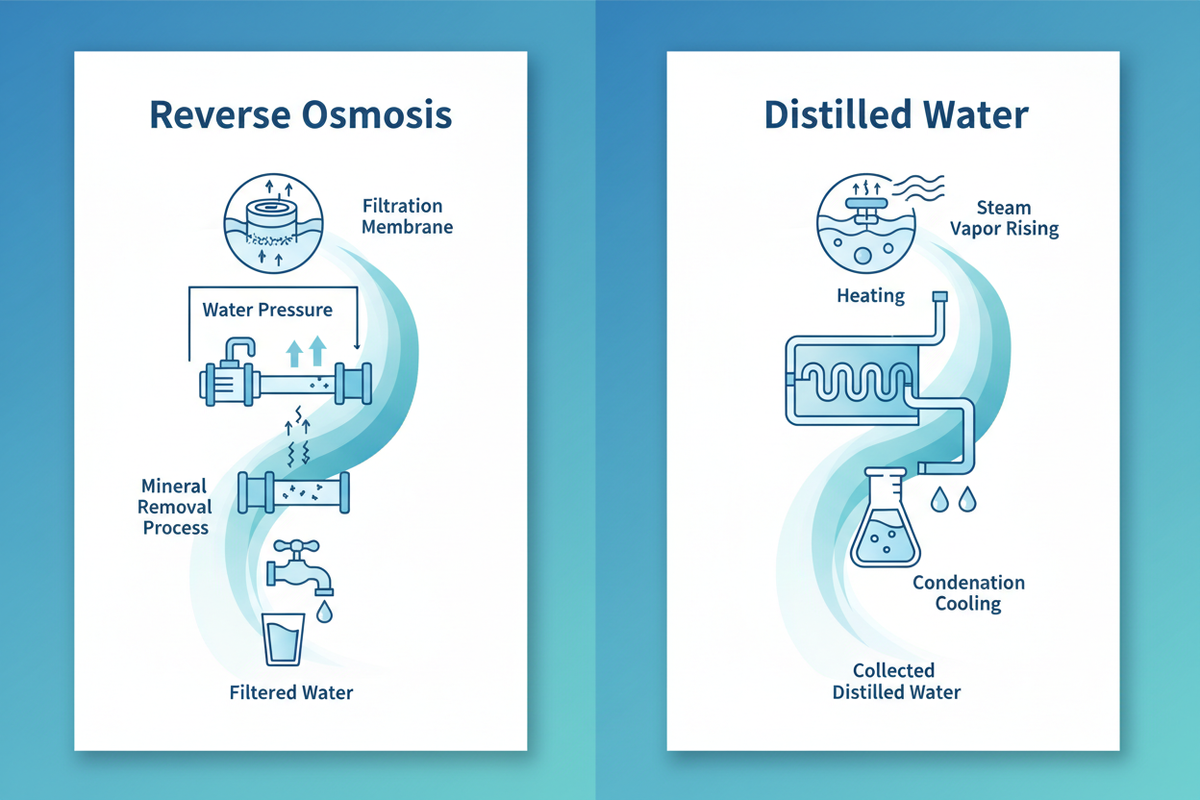
So, my friend Karen—you know the type, the one who brings her own water bottle everywhere and sniffs at tap water like it’s toxic sludge—once cornered me at a party. She held up two bottles, one labeled “Reverse Osmosis” and the other “Distilled,” and asked, “Which one is actually better?” I panicked, grabbed the one with the fancier label, and mumbled something about “science stuff.” Turns out, it’s not just fancy labels. There’s a real difference, and it’s kind of fascinating once you get past the chemistry jargon.
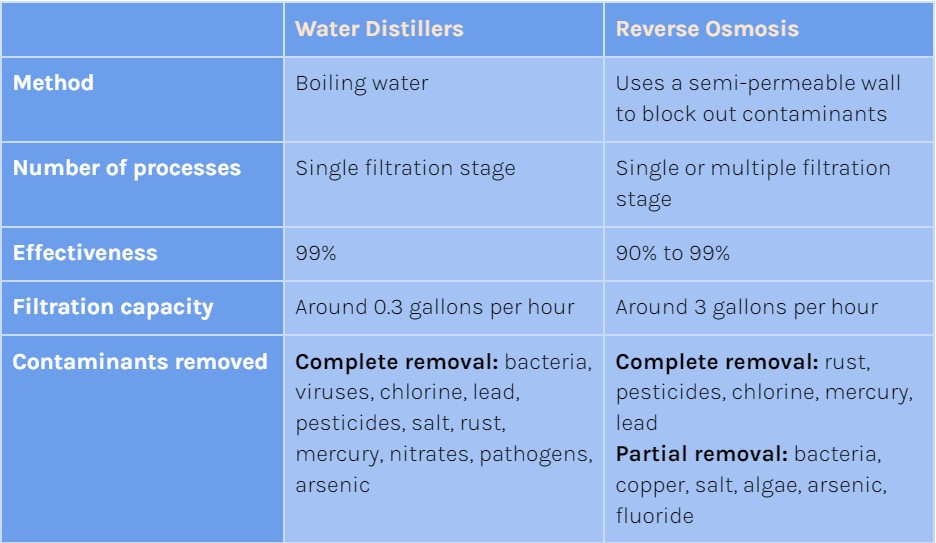
The core difference is how they’re made. Reverse osmosis (RO) is like a super-strict bouncer at a club: it forces water through a semi-permeable membrane that kicks out almost all contaminants, but it also keeps in some minerals like calcium and magnesium. Distilled water, on the other hand, is like a dramatic spa treatment: you boil the water until it turns into steam, then collect the pure vapor—leaving behind everything, including those minerals. One filters; the other evaporates. Simple, right?
Wait, So Which One Is Really Pure?
Both are incredibly pure, but they achieve it in opposite ways. RO water is typically 99% contaminant-free, while distilled water is closer to 99.9%—it’s the pristine, slightly obsessive cousin. But here’s the kicker: because distillation removes all minerals, it tastes flat and lifeless. RO water keeps a few minerals, so it actually has a little bit of taste—kind of like the difference between a blank white wall and one with a faint, pleasant texture.
Must Read
Speaking of taste, you’ve probably noticed that distilled water makes your coffee taste weird. That’s because those missing minerals also affect flavor and pH. RO water is generally better for drinking because it’s less acidic and doesn’t leach heavy metals from your pipes. Distilled water is perfect for things like steam irons, CPAP machines, or car batteries—where you don’t want any mineral residue left behind. Your car battery won’t complain about the taste; your coffee will.
But Is One “Healthier” Than The Other?
Ah, the million-dollar question. Here’s the ironic part: drinking only distilled water for months can actually be bad for you, because it can strip minerals from your body. RO water is generally safer for daily use because it doesn’t completely rob you of electrolytes. But honestly, most of us get enough minerals from food, so unless you’re a marathon runner or an alien, you’ll be fine with either in moderation.
 What do you use distilled water for? - Dr Alice Williams
And please don’t fall for the “distilled water detox” trend—that’s like trying to clean your house by taking away all the furniture. Your kidneys are already a natural filter. No, seriously, your body is a biological reverse osmosis machine—just way more expensive to upgrade.
The Cost & Convenience Reality Check
Okay, real talk: reverse osmosis systems are expensive to install (think $150 to $600) and waste a lot of water—like 3 to 4 gallons for every 1 gallon of purified water. Distillation units are cheaper upfront (around $100) but use a ton of electricity and take hours to make a single gallon. So if you’re impatient and don’t love hefty bills, RO wins. If you’re a hobbyist who enjoys watching water steam for fun, go distilled.
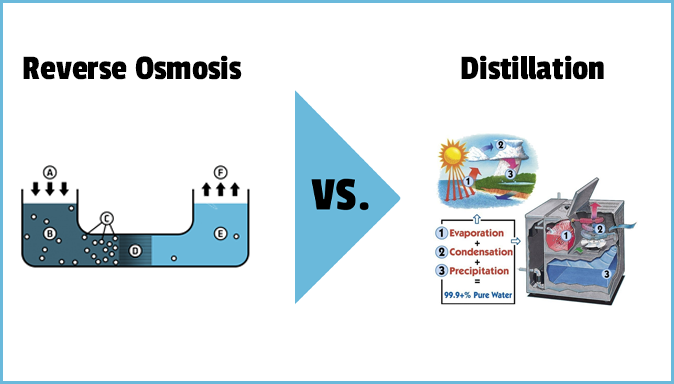 Reverse Osmosis Versus Distillation Archives - My Pure Water
Also, let’s be honest: neither of these is as convenient as a Brita filter. But hey, you wanted the premium stuff. Just know that you’re paying for performance, not speed. And if you’re like me, you’ll probably end up using both—distilled for the humidifier, RO for your morning matcha. Because why not complicate your life in style?
So, Which One Should You Choose?
If you’re a normal human who just wants clean drinking water without weird aftertastes, get a reverse osmosis system. It’s the balanced choice: pure enough to make you feel fancy, but not so pure that you lose your minerals. If you’re a lab technician, a plant parent who hates water spots, or someone who genuinely enjoys the taste of nothing, distilled water is your weird-but-loyal companion.
And Karen? She still brings her two bottles everywhere, but now she labels them “For Drinking” and “For Ironing.” I think that’s called personal growth. Or just a really organized obsession. Either way, now you know the difference—so next time someone asks, you can sound like a total water nerd without breaking a sweat. Cheers to that.
