What Is The Difference Between Distilled Water And Deionized Water

So, there I was, staring at my roommate’s car battery like it was alien technology. He’d just spilled a jug of what he called “distilled water” all over the garage floor, then...
So, there I was, staring at my roommate’s car battery like it was alien technology. He’d just spilled a jug of what he called “distilled water” all over the garage floor, then looked at me and asked, “Got any deionized water for the iron?” I froze. I mean, they’re both water, right? Wrong. And that little moment of panic is exactly why we need to clear this up.
You’ve probably seen both terms on bottles at the store, and maybe you’ve wondered if it really matters. Spoiler alert: it does. Distilled water and deionized water are not the same, even though they both sound like fancy, science-y versions of H2O. Let’s break it down without the lab coat vibes.
What’s the deal with distilled water?
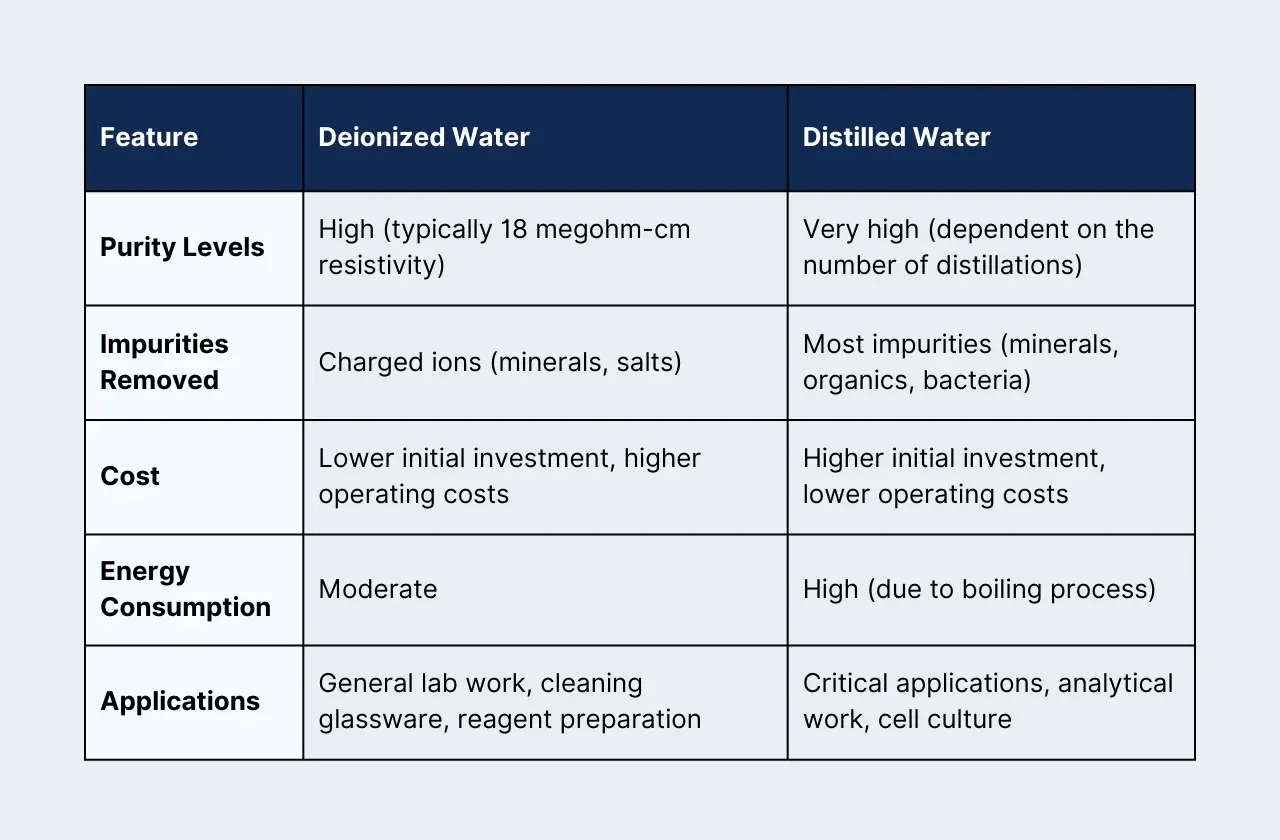
Distilled water is basically the “old school” method—think of it as water that’s taken a steamy trip and come back clean. You boil the water into steam, then cool that steam back into liquid. The impurities, like minerals and germs, get left behind in the pot because they don’t vaporize as easily. This process removes most contaminants, but it’s not perfect.
Must Read
Here’s the ironic part: distillation actually takes a lot of energy. Boiling massive amounts of water isn’t exactly eco-friendly, but hey, it works for things like car batteries and steam irons. It’s also the stuff you usually buy for baby formula, because it’s very pure. But distilled water can still have trace amounts of organic compounds that boil at the same temperature as water. Sneaky, right?
So, if you need water that’s basically sterile and mineral-free, distillation is your friend. Just don’t expect it to remove absolutely everything—like those weird volatile chemicals that might linger. (Yes, I’m looking at you, mystery tap water.)
Now, what about deionized water?
Deionized water is the “fancy filter” version. Instead of boiling anything, it uses special resins that grab onto charged particles—like a magnet picking up metal shavings. Deionization specifically targets ions, which are minerals like calcium, magnesium, and sodium. This makes it super pure in terms of dissolved solids.
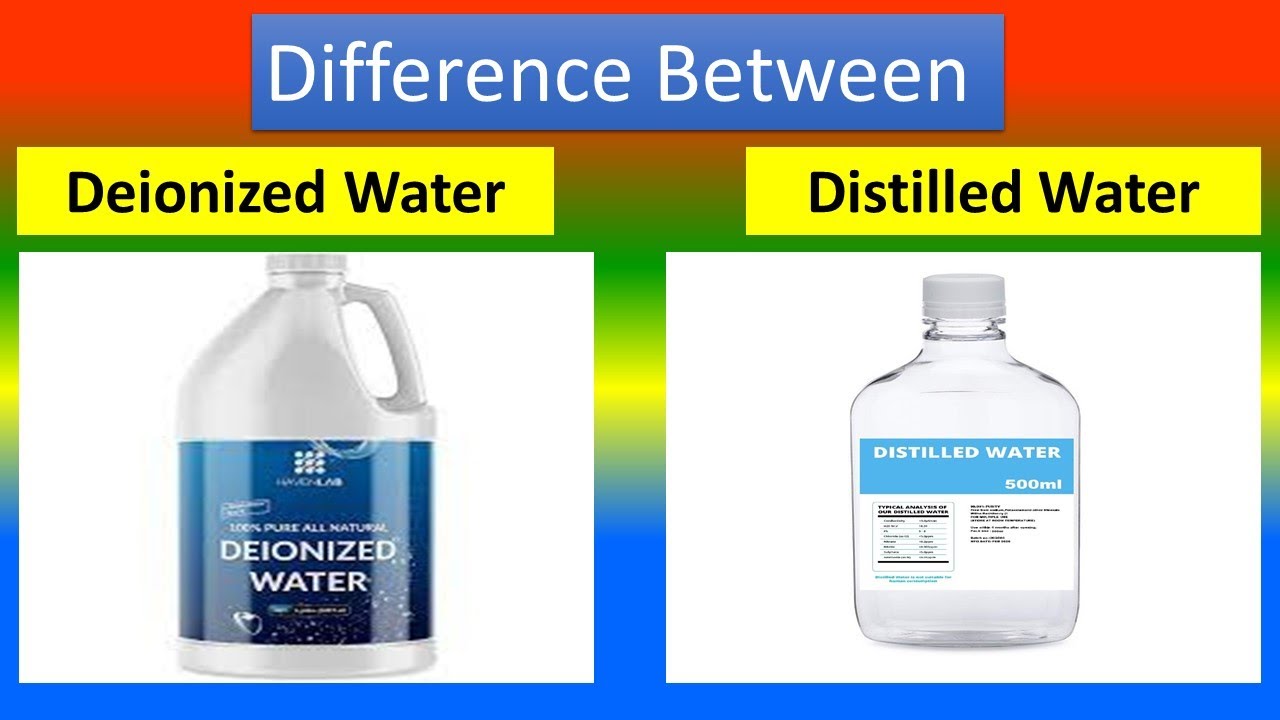 Distilled Water Vs. Deionized Water: What’S The Difference? – JFFA
Here’s the kicker: deionization doesn’t remove bacteria or viruses. Wait, what? Yep, you read that right. If you start with tap water full of germs, you’ll end up with deionized water that’s still microbe-filled. That’s why labs use deionized water for experiments, but they usually pair it with other treatments. It’s great for rinsing glassware, but not so great for drinking straight from the source.
Also, deionized water can be a bit aggressive. Because it’s so “thirsty” for minerals, it might leach tiny amounts of metal from pipes or containers. That’s why you’ll rarely find it in your kitchen. It’s more of a lab or industrial buddy—think coolants, cosmetics, or car batteries.
So, which one should you actually use?
This is where it gets practical. If you’re topping off a car battery or using a steam iron, distilled water is your go-to. It’s cheap, widely available, and won’t leave mineral deposits. For a CPAP machine or a humidifier? Same deal—distilled is king because it’s sterile-ish.
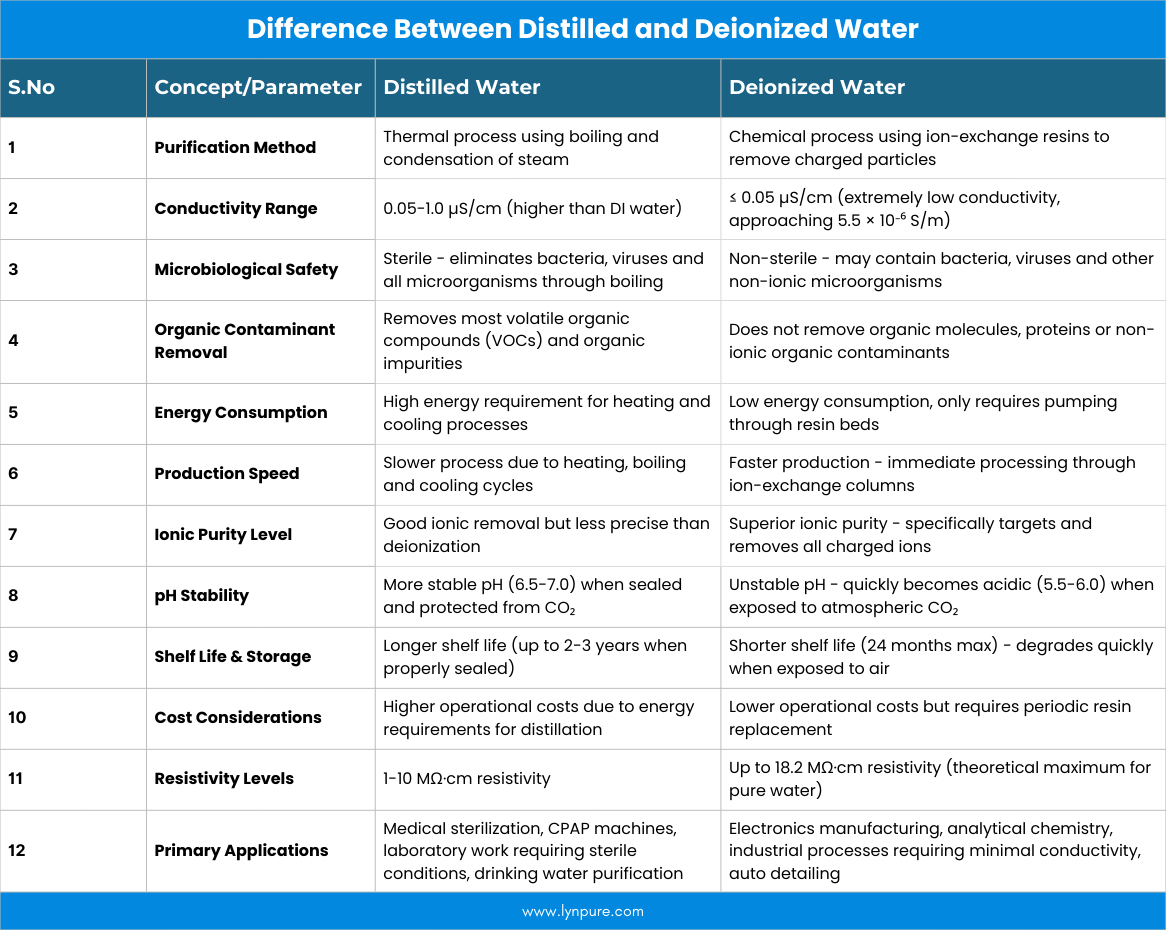 Distilled Water vs Deionized Water | Key Differences
But if you’re a hobbyist making soap, mixing chemicals, or cleaning sensitive electronics, deionized water might be better. It’s purer in terms of ions, which means no weird reactions. Just remember: don’t drink it regularly. Your body actually needs those minerals, and deionized water is like a blank slate that could mess with your electrolyte balance. (Yep, it’s that weird.)
A quick side-by-side to save you time
Distilled = boiled and condensed. Best for everyday household stuff because it’s sterile and mineral-free. Deionized = ion-filtered. Best for science and manufacturing, but can be risky to drink. See the difference? One is a steam bath, the other is a ionic party.
I once tried using distilled water in a lab experiment by mistake. The results were a disaster—my solution turned cloudy because of those leftover organic compounds. My professor just sighed and said, “Deionized, not distilled. Read the label.” Lesson learned: know your water.
So next time you’re at the store, don’t panic. Distilled for appliances, deionized for extreme purity. And if you ever find yourself stuck in a garage with a confused roommate, just smile and say, “One is steam, one is magnets—it’s simple.”
