What Is The Difference Between Distilled Water And Purified Water

So, you’re standing in the water aisle of the grocery store, staring at two nearly identical bottles labeled “Distilled” and “Purified.” It feels like choosing between a Pokém...
So, you’re standing in the water aisle of the grocery store, staring at two nearly identical bottles labeled “Distilled” and “Purified.” It feels like choosing between a Pokémon and a Digimon—except you actually have to drink one. Let’s settle this liquid rivalry once and for all, with a few bad jokes thrown in.
The Short, Boring Answer (But I Promise It’s Funny)
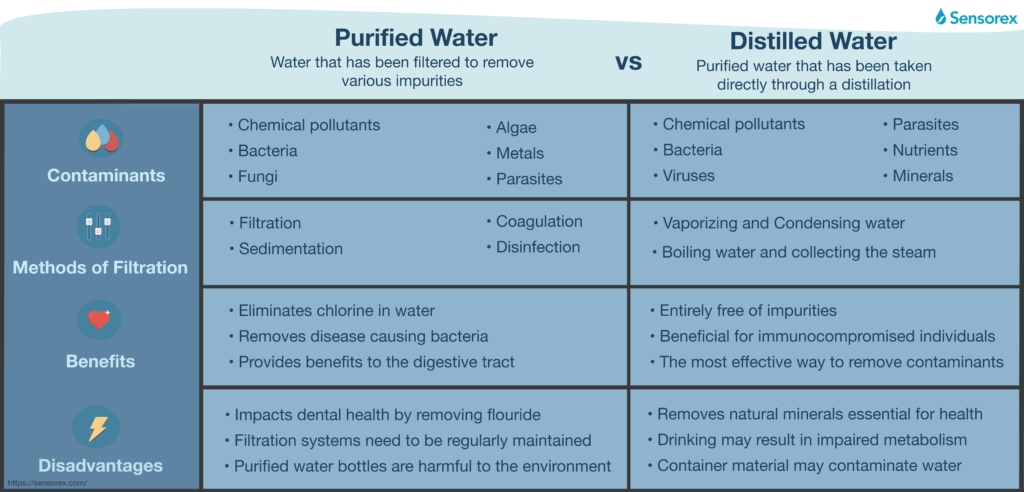
Distilled water has been boiled into steam and then condensed back into liquid. Think of it as water that went to a spa, sweated out all its impurities, and came back as a cloud. Purified water is a catch-all term for water that’s been stripped of chemicals and contaminants through any number of methods—reverse osmosis, carbon filters, or even UV light zapping the bad stuff dead.
In short: all distilled water is purified, but not all purified water is distilled. It’s like how all squares are rectangles, but not all rectangles are squares—except water doesn’t have corners, so that analogy is a bit damp.
Must Read
Wait, So What’s the Actual Difference?
The real difference is in the method and the purity threshold. Distillation is the old-school, dramatic method: boil water until it’s steam, then cool it down. It’s water’s version of a rock opera. Purified water can involve a whole toolbox of tricks—filtration, deionization, or that science-fiction-looking reverse osmosis membrane.
Here’s a surprising fact: distilled water is technically the cleanest form of water you can buy, but it’s so pure it’s almost aggressive. It’s like the water version of a germaphobe who uses hand sanitizer after shaking hands with their own shadow.
But Does It Taste Different?
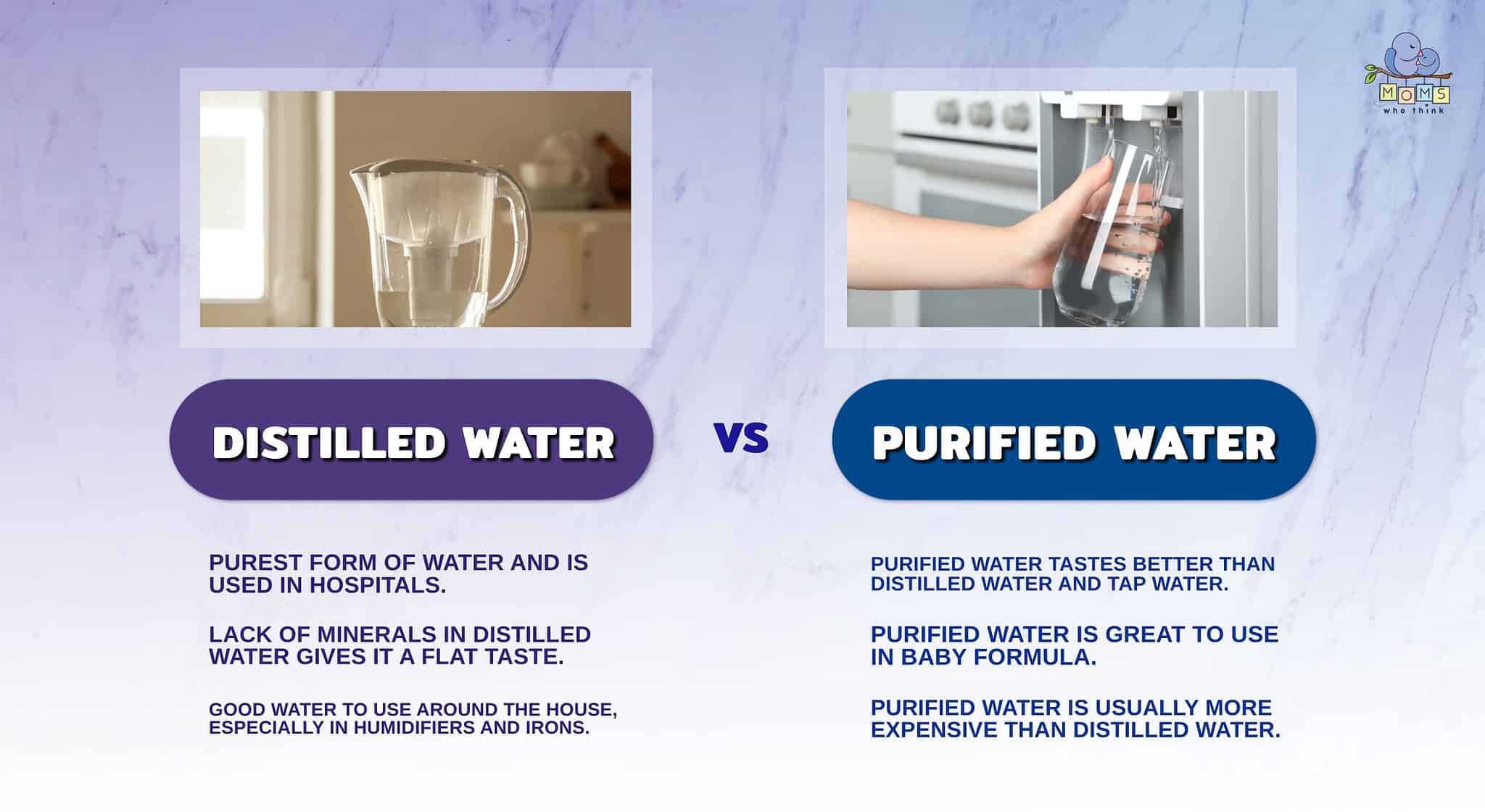
Oh, absolutely. Distilled water is famously flat. It lacks the dissolved minerals (calcium, magnesium) that give normal water that slight “mouthfeel” and zing. Drinking distilled water is like getting a hug from a ghost—technically pleasant, but a little unsettling. Purified water, depending on the method, might still have some minerals left, so it tastes more like… well, water.
One time, my friend insisted distilled water and purified water were the same. I made him do a blind taste test. He spat out the distilled and said, “This tastes like rain that’s been filtered through a nun’s sneaker.” That’s not a scientific fact, but it’s a truth.
 Distilled vs. Purified Water: What’s the Difference? – Waterdrop Europe
When Should You Actually Use Distilled Water?
Don’t stockpile it for your morning coffee unless you want a cup that tastes like a sterile Band-Aid. Distilled water is the star of the show for non-drinking tasks. Use it in your iron (no mineral scale), your car battery (seriously, check the manual), or for a humidifier (so you don’t breathe a fine mist of calcium dust). It’s also great for fish tanks—betta fish are drama queens about water quality.
Fun fact: if you drink only distilled water for weeks, you can actually leach minerals from your body! That’s right—it’s so thirsty for impurities, it’ll steal your electrolytes. You’d basically become a dehydrated puddle of sad, healthy ambitions.
Purified Water: The Everyday Hero
Purified water is the reliable friend of the water world. It’s what your Brita pitcher makes, what most bottled brands sell, and what you’re probably drinking right now without realizing it. It’s clean, it’s safe, and it doesn’t try to steal your body’s minerals like some overeager distillation drama queen.
Most municipal tap water is already purified to some degree. But if you live in a place where the water smells like a swimming pool (hello, chlorine!), a simple carbon filter makes it taste like mountain spring. Purified water is the compromise between “too pure to touch” and “straight from a toxic river.”
 Distilled vs. Purified Water: 4 Differences & Health Benefits
So Which One Should You Buy?
If you’re making coffee, tea, or drinking straight from the bottle—go with purified. Your taste buds will thank you, and your kidneys won’t start mining your bones for calcium. If you need water for a medical device, a CPAP machine, or that expensive laboratory experiment you’re running in your garage (hey, no judgment), get distilled.
And here’s the kicker: you can make distilled water at home! Boil water, catch the steam with a lid, and collect the condensation. It’s like kitchen alchemy, except the prize is a lukewarm, tasteless liquid that your cat will refuse to drink. Exciting stuff.
Final, Very Scientific Takeaway
Distilled water is the rich aunt who only drinks Evian and wears white gloves. Purified water is the chill cousin who brings a six-pack to the barbecue. Both are fine, but only one is fun to hang out with. So unless you’re filling a CPAP machine or raising moody fish, just buy the purified water. Your taste buds will high-five you.
And if anyone asks you the difference now? Channel your inner water sommelier and say, “Distilled is a ghost. Purified is a hug.” Then walk away slowly, sipping from your bottle with maximum flair.
