How To Choose Di Water System For Medical Device Manufacturing

So, you’re diving into the world of medical device manufacturing. Congratulations! You’re about to make things that literally save lives. But before you crank out a single wid...
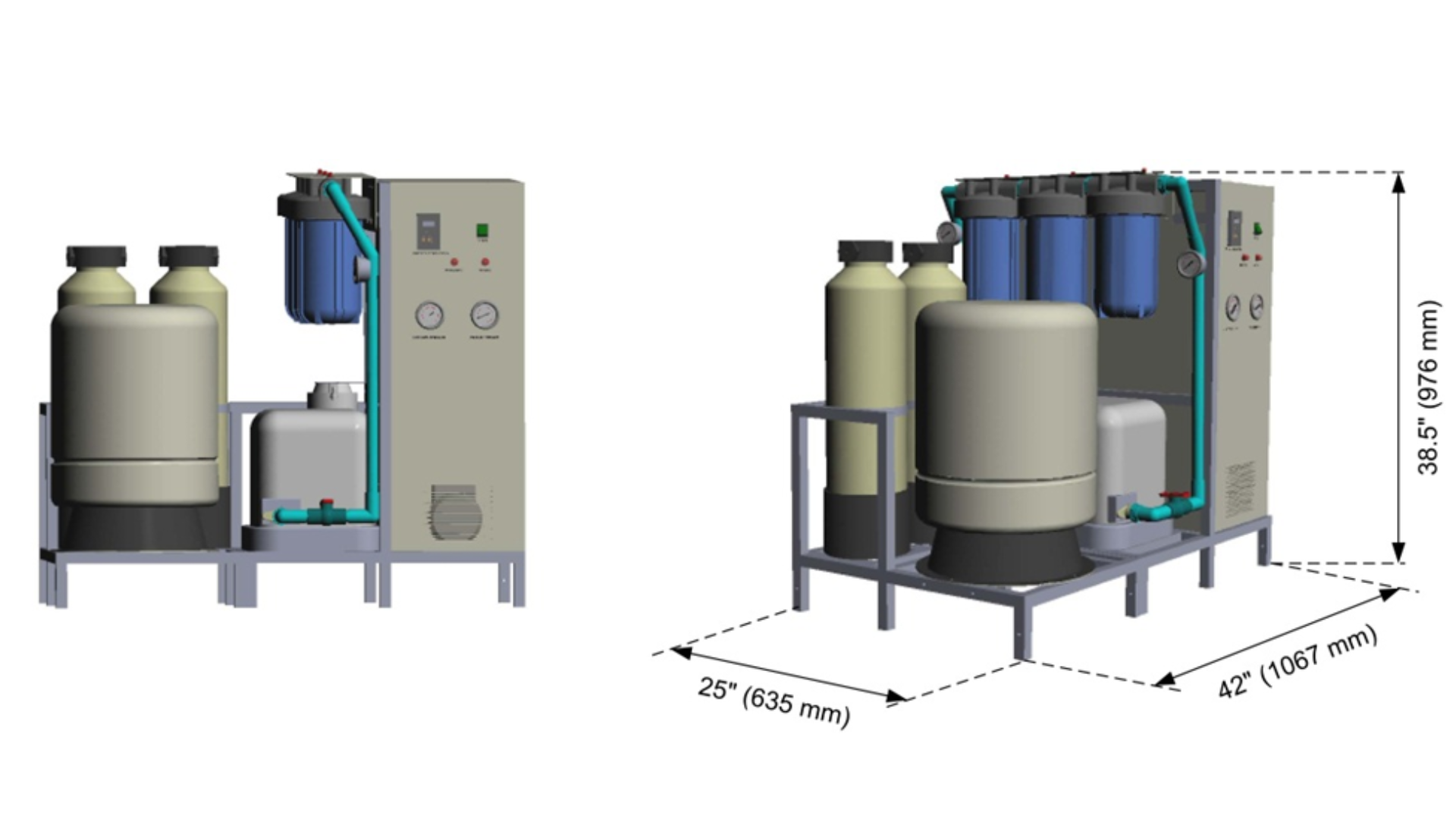
So, you’re diving into the world of medical device manufacturing. Congratulations! You’re about to make things that literally save lives. But before you crank out a single widget, we need to talk about something that sounds boring but is actually thrilling: your DI water system.
Think of deionized water as the unsung hero of your cleanroom. Without it, your devices could fail, and nobody wants to be the person who forgot the water. But picking the right system doesn’t have to be a headache—it can be a fun little puzzle!
Why Does DI Water Even Matter?
Medical devices are intimate—they go inside people. That means any leftover minerals or bacteria in your water are a giant no-no. DI water strips away the nasty ions, leaving you with the purest H₂O on the planet.
Must Read
Think of it as a spa treatment for your manufacturing process. Your devices get a squeaky-clean rinse, and your quality audits become a breeze. Plus, you get to sound super smart when you talk about “resistivity” at parties. (Okay, maybe not parties, but definitely at industry conferences.)
Step 1: Know Your Flow Rate (Don't Panic)
First, figure out how much water you need per minute. Are you building a few prototypes or cranking out thousands of catheters a day? The answer changes everything.
If you over-spec, you waste money on a giant system you won’t use. Under-spec, and you’ll be stuck watching water drip while your production line screams. Pro tip: Add 20% buffer for future growth.
Step 2: The “Purity vs. Price” Dance
Not all DI water is created equal. You’ll see numbers like 10 MΩ·cm or 18.2 MΩ·cm. The higher the number, the purer the water. For medical devices, you almost always want Type 1 water—the gold standard.
Yes, a high-purity system costs more upfront. But imagine the alternative: a failed sterilization validation or a rejected batch. Your budget will thank you later for not being cheap.
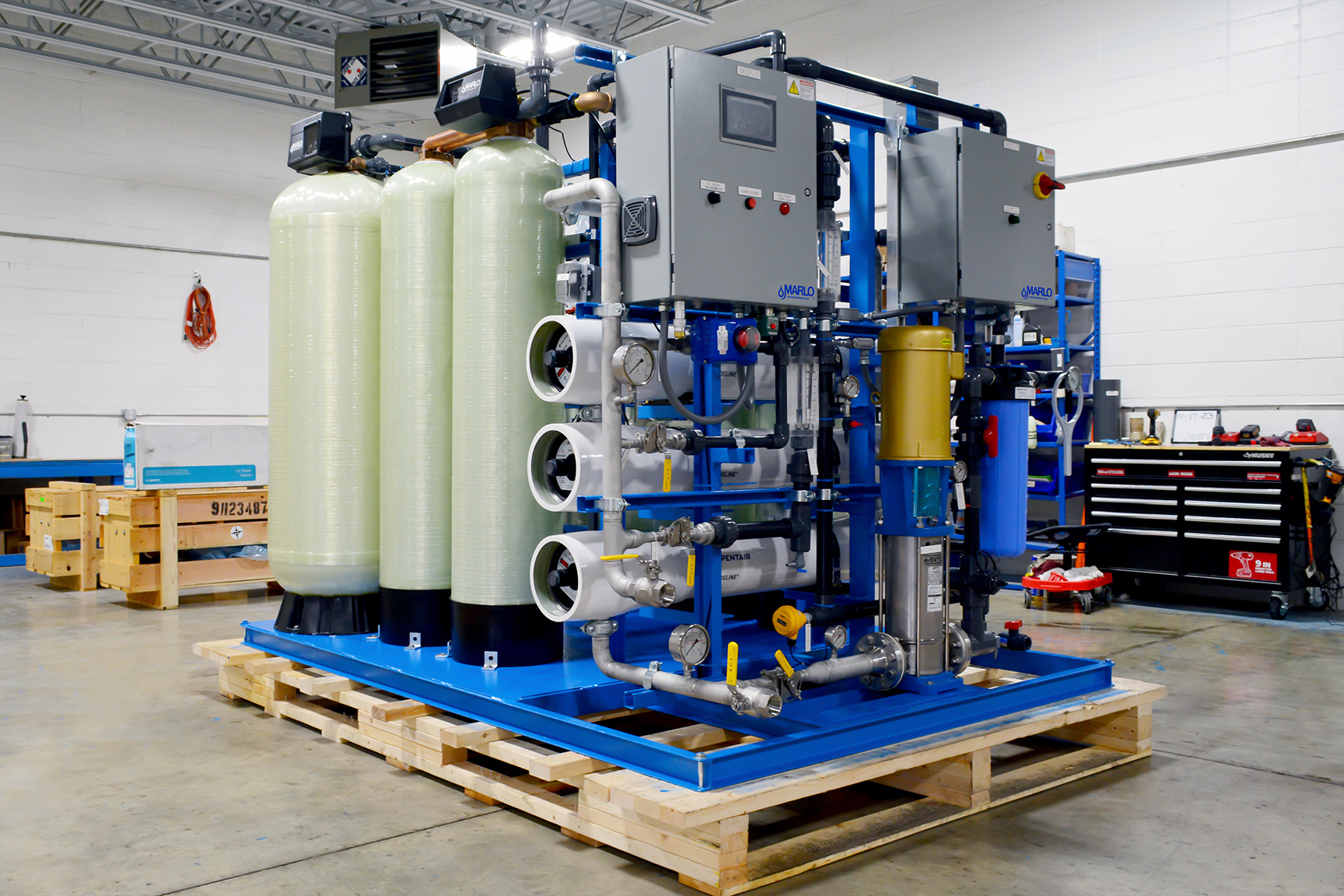 Deionized Water System | MARLO
A Quick Reality Check: Is Your Feed Water a Nightmare?
What’s coming out of your tap? If you live in an area with hard water or high chlorine, your DI system has to work harder. Pre-treatment is your best friend.
A simple sediment filter or carbon tank can save you from constant membrane replacements. It’s like putting on sunscreen before a beach day—boring but essential for a good outcome.
Step 3: Look for the Certification Seal
Medical device manufacturing is all about validation. You need a system that can prove it’s doing its job. Look for systems with USP <79> compliance for water for injection or similar standards.
Ask your vendor: “Can you give me documentation that shows your system kills bacteria?” If they hem and haw, run the other way. You want a system with built-in UV sterilization or ozone loops.
Step 4: Maintenance Shouldn't Be a Horror Story
Some DI systems are like needy pets—they demand constant attention. Others are more like a good roommate: low-key and reliable. Choose the latter.
Look for systems with smart monitors that alert you when resin needs replacing. Bonus points if the vendor offers a service contract. Because let’s be real: you’d rather be inventing a new stent than changing a filter on a Saturday night.
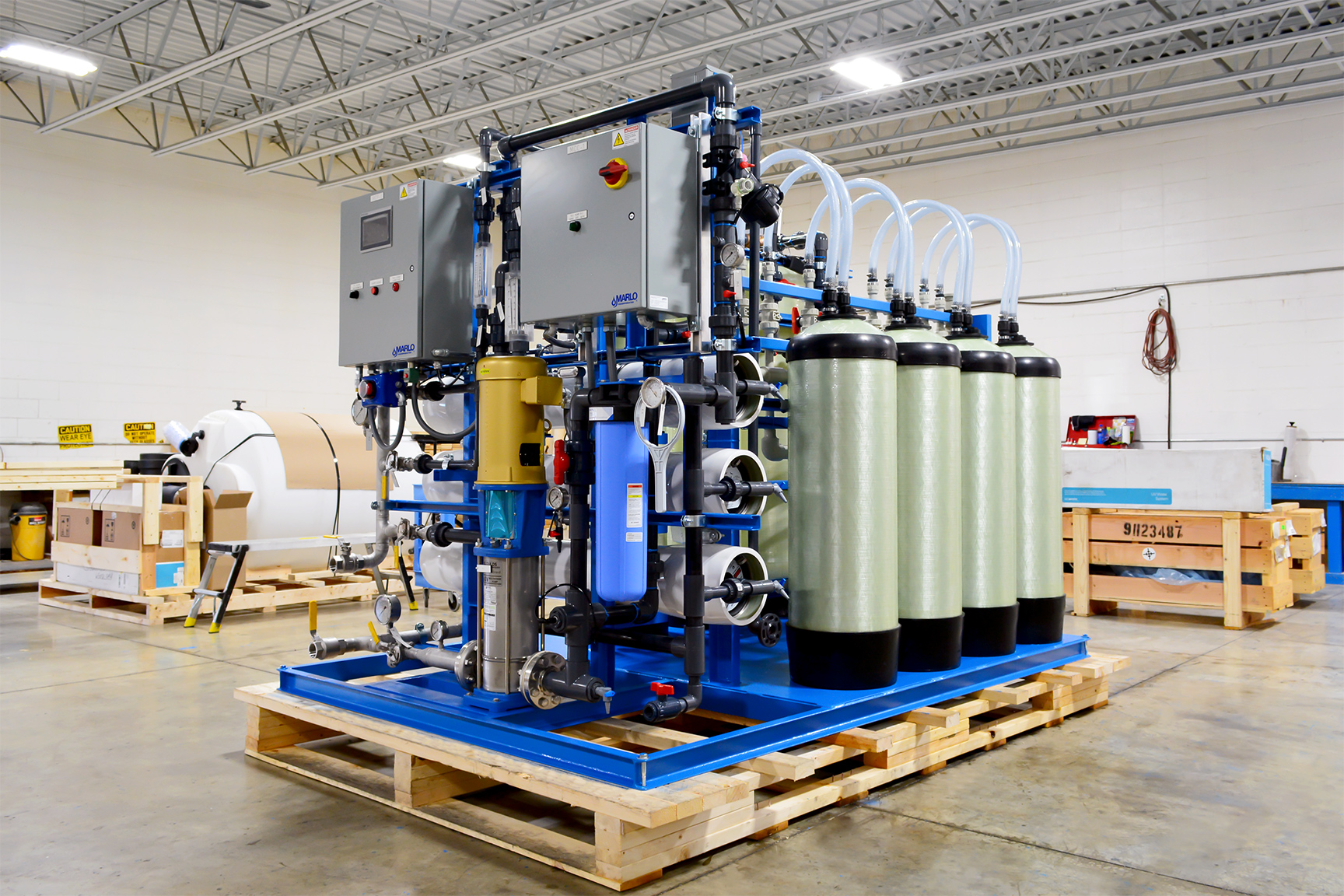 Deionized Water System | MARLO
Pro Tip: Make It Fit Your Space (and Your Sanity)
Do you have a cramped lab or a sprawling floor? Wall-mounted systems save space. Skid-mounted systems are great for volume. Measure twice, order once.
Also, think about noise. A roaring pump can ruin your cleanroom vibe. Ask for a system with a quiet mode—your ears will thank you at hour 12 of a shift.
The Fun Part: It’s Not Just Water
Choosing your DI system is like picking the engine for a race car. Get it right, and everything else hums along. Get it wrong, and you’re stuck in the pit lane.
Imagine walking into your facility and seeing clear, perfect water flowing. Your devices come out flawless. Your auditors smile. You feel like a wizard who controls the elements. That’s the goal.
So grab a coffee, sketch out your needs, and talk to three vendors. Ask the dumb questions. The answers will make you a hero.
And remember: Every brilliant medical device started with a single drop of good water. You’ve got this. Now go make something amazing—one pure molecule at a time.
