What Is The Difference Between Filtered And Distilled Water

Let’s be real: staring at the water aisle in the grocery store can feel like a weirdly stressful pop quiz. You’ve got jugs labeled “spring,” “purified,” “alkaline,” and your o...
Let’s be real: staring at the water aisle in the grocery store can feel like a weirdly stressful pop quiz. You’ve got jugs labeled “spring,” “purified,” “alkaline,” and your options basically boil down to two heavyweights: filtered and distilled. It’s time to clear the air—and your glass.
The Quick Chemistry of Your Hydration
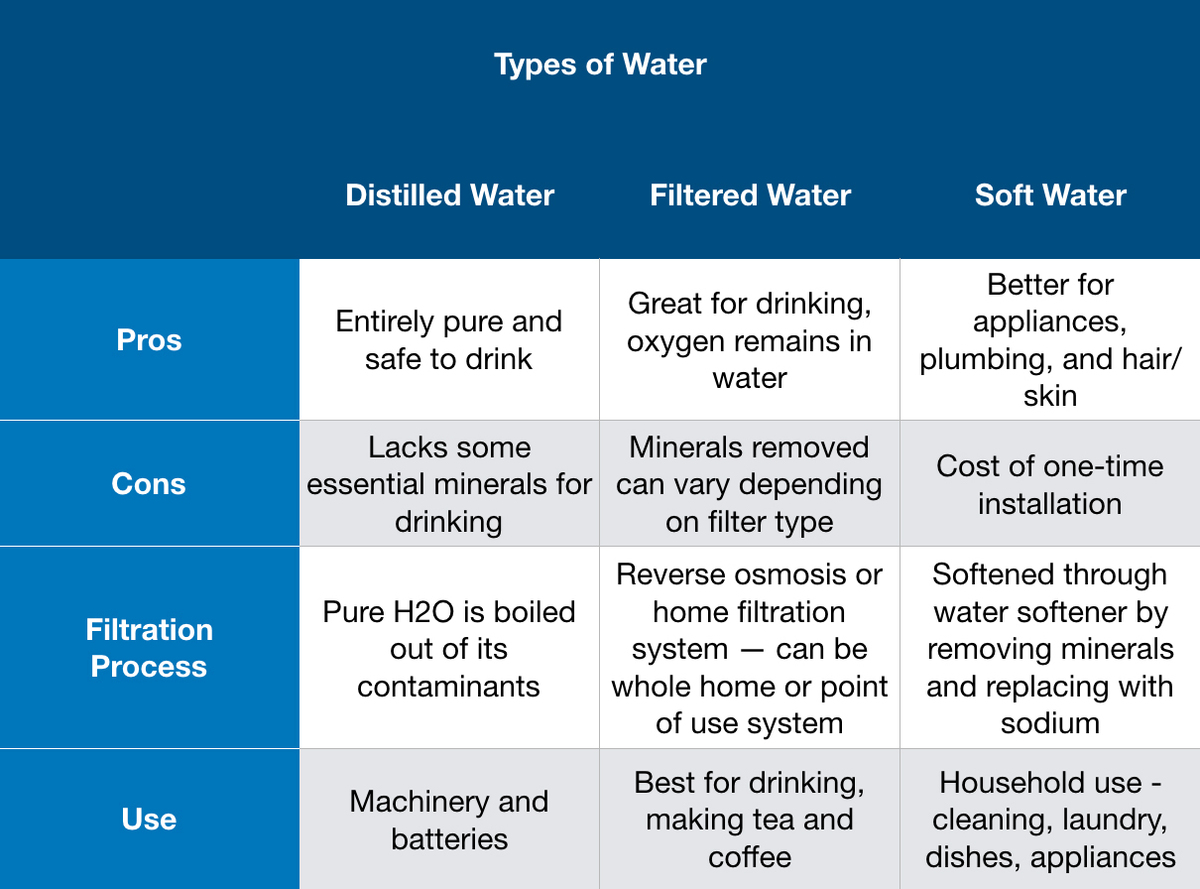
Think of filtered water as the chill, low-maintenance friend who just removes the obvious drama. It runs through a physical barrier (like carbon or ceramic) to grab sediment, chlorine, and some bad tastes. Distilled water, on the other hand, is the overachiever who goes through a whole transformation.
Distillation takes water, boils it into steam, then cools it back into a liquid. This process literally vaporizes the water away from pretty much everything else—minerals, bacteria, heavy metals, even your grandma’s secret soup recipe.
Must Read
The result? Filtered water keeps some natural minerals (hello, calcium and magnesium), while distilled is practically a blank slate. It’s so pure that scientists use it in labs, and mechanics use it in car batteries. Fun fact: Distilled water is such a good insulator that it can conduct electricity poorly—until you add just a pinch of dirt.
What’s Actually in Your Glass?
Imagine your tap water as a busy downtown street. Filtering is like a polite crossing guard who directs traffic and picks up a few candy wrappers. You still have people, bikes, and the occasional pigeon—aka dissolved minerals.
Now, distillation is like bulldozing the whole block and rebuilding it from scratch. You’re left with nothing but H₂O molecules. That means zero minerals, zero contaminants, and zero flavor. Some people say distilled water tastes “flat” or “dead” because it’s missing those tiny mineral notes your tongue is used to.
Here’s the twist: while distilled water is incredibly pure, drinking only it long-term can actually leach minerals from your body. It’s a bit like eating a diet of only plain rice—functional, but not great for balance. Filtered water offers a middle path: cleaner than tap, but still lively.
Which One Wins for Your Morning Coffee?
If you’re a home barista, this matters. Filtered water makes your coffee taste clean and bright because it removes chlorine that can turn your brew bitter. Distilled water, though? It often makes coffee taste flat and hollow, since there are no minerals to help extract the beans’ oils and flavors.
 Distilled Water Versus Filtered Water: What’s the difference? - SMD.com
Not convinced? Try this experiment: Make two cups of the same coffee—one with filtered water, one with distilled. You’ll taste the difference instantly. The filtered version usually wins the “morning smile” test.
For tea lovers, the same rule applies: filtered water lets delicate green teas shine, while distilled can make your Earl Grey taste like sad, watery regret. Cultural flex: In Japan, high-end tea ceremonies often call for filtered “soft” water to honor the leaf’s subtle notes.
The Gear Guide: Fancy Jugs vs. Glass Stills
You don’t need a chemistry degree to get into this. For filtered water, you’ve got pitchers, countertop dispensers, or tap-mounted filters that cost as little as a couple of avocados. Brands like Brita or ZeroWater are the entry-level heroes.
Distillation, however, is a whole vibe. You need a countertop distiller (plug it in, wait a few hours) or a stovetop setup that feels like a steampunk science project. A decent distiller runs about $100 to $200, and it’s slow—it makes about a gallon every four hours. Pro tip: Some people swear by using distilled water for their espresso machines to avoid mineral scale buildup. It keeps your expensive gear alive longer.
Don’t sleep on the environmental angle. Filtering your tap water is a massive win over buying plastic bottles. Distillation uses electricity (more energy), but you can also get countertop stills that look like a chic glass teapot from a design museum.
 Distilled vs. Filtered Water: What's the REAL Difference? - Eco-savvy.blog
The Practical Life Hacks
Drink filtered water daily; use distilled water for appliances. That’s the golden rule. Fill your iron, humidifier, car battery, and aquarium with distilled water to avoid white scale crusties. Drink filtered water for flavor and mineral balance.
Love your houseplants? Use filtered water for most, but never use distilled for sensitive species like calatheas—they need those tiny minerals. Succulents, though, are tough and don’t mind either way.
If you’re into skincare, distilled water is a cult favorite for toners and facial mists because it’s 100% free of irritants. Just don’t use it as your only drinking source unless you’re supplementing electrolytes (looking at you, keto fans).
A Splash of Reflection
At the end of the day, the difference between filtered and distilled water isn’t just science—it’s about intention. Filtered water is about making your everyday life nicer, easier, and a little more delicious. Distilled water is about precision, purity, and a specific job.
You don’t need to pick one forever. Keep a jug of filtered on the counter for your afternoon hydration, and a bottle of distilled under the sink for your steaming iron’s next workout. Life is too short for flat coffee or a mineral-clogged kettle.
So next time you fill your glass, remember: you’re not just drinking water—you’re choosing a philosophy. Go easy, stay hydrated, and let your taste buds lead the way.
