What Is The Difference Between Club Soda And Seltzer Water

Let’s be honest—standing in the beverage aisle, staring at a row of fizzy waters, can feel like a weird test in adulting. You see club soda, seltzer, maybe even sparkling mine...
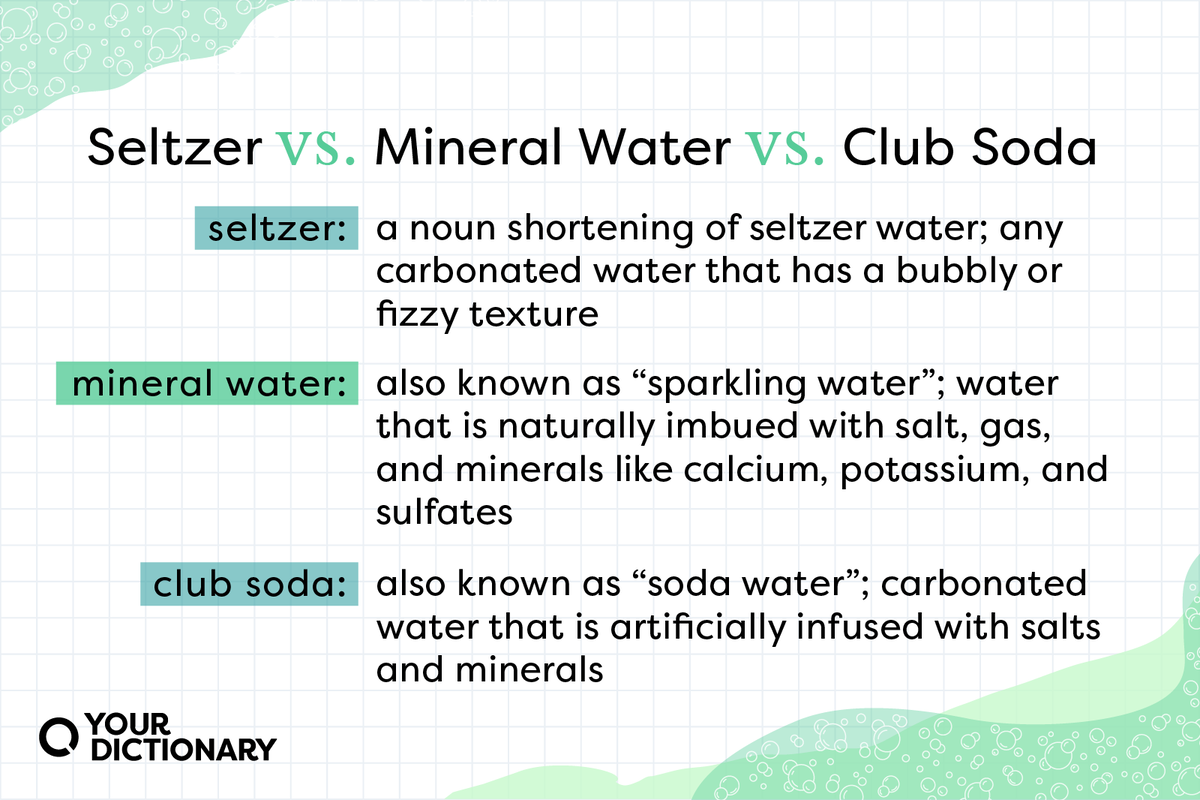
Let’s be honest—standing in the beverage aisle, staring at a row of fizzy waters, can feel like a weird test in adulting. You see club soda, seltzer, maybe even sparkling mineral water, and you just want something crisp to drink. But here’s the little secret that will save you from awkward party mix-ups: club soda and seltzer are not the same thing.
It’s like the difference between a plain bagel and an everything bagel. Sure, both are round and toasted, but one has a little extra something sprinkled on top. For your taste buds and your cocktail game, that sprinkle actually matters.
The Simple Science of Bubbles
Both drinks are basically water that’s been injected with carbon dioxide gas. That’s the stuff that gives you the satisfying fizz and that little burp at the end. So far, they’re identical twins.
Must Read
But here’s where they separate like siblings going to different colleges. Club soda has minerals added to it—things like potassium bicarbonate or sodium citrate. Seltzer is just water plus bubbles, plain and simple.
Think of it this way: seltzer is the minimalist of the fizzy world. It shows up, does its job, and doesn’t try to be fancy. Club soda is the one that applied for a little extra pizzazz.
The Taste Test You Can Do Right Now
Pour a glass of each and take a sip side-by-side. I promise you’ll notice it. Club soda has a slightly saltier, more mineral-like taste—almost like a whisper of sea air. Seltzer tastes like the clean, crisp childhood memory of carbonated water.
I remember the first time I used plain seltzer in a homemade gin and tonic. It was fine, but it felt… flat, like the party was missing a guest. Then a friend handed me a club soda on a hot summer porch, and the drink suddenly had body. The minerals made the gin taste rounder, the lime sharper.
That little salty pinch in club soda is designed to mimic natural mineral water. It’s why fancy bottles of Perrier or San Pellegrino feel so refined—they have that same mineral edge straight from the spring.
 Club Soda Vs. Seltzer Vs. Sparkling Water: What’S The Difference? – NUUWI
Why You Should Actually Care (In Real Life)
Let’s say you’re whipping up a batch of margaritas for Taco Tuesday. You want a little buzz and a little sparkle. If you grab seltzer, your drink will be crisp and light. That’s perfect if you want the tequila to be the star.
But if you use club soda? Suddenly your margarita has a subtle complexity. The sodium from the club soda actually helps balance the acidity of the lime juice. It’s like the drink goes from a garage band to a polished studio recording.
Now imagine you’re throwing a party and you’re mixing vodka sodas for a crowd. People usually expect club soda there. Hand them a seltzer, and they might give you a polite “Oh, thanks,” while secretly missing that little mineral kick that makes the vodka sit nicer on the tongue.
The Sodium Trap
Here’s the one thing your doctor might care about: sodium. Club soda typically has around 75 milligrams of sodium per can. Seltzer? Usually zero. If you’re watching your salt intake for health reasons, that’s a big, fizzy flag.
I have a neighbor who swears by seltzer for her afternoon mocktails because she’s trying to lower her blood pressure. She says club soda makes her feel like she just ate a bag of pretzels. For her, plain is perfect.
But if you’re active and sweaty from a run, that dash of sodium in club soda can actually help with hydration. It’s a tiny sports drink—without the neon color or the sugar.
 Club Soda Vs. Seltzer Water: What’S The Difference? – BGHUDW
The Cocktail Cheat Code
Here’s the golden rule bartenders swear by: When the drink has a lot of strong flavors—think whiskey, dark rum, or bitter amaro—club soda is your best friend. The minerals help the flavors play nice together.
For lighter, more delicate drinks—like a spritz with Aperol or a simple juice spritzer—stick to seltzer. You don’t want the salty minerality competing with the light, fruity notes. It would be like wearing combat boots with a silk dress.
I learned this the hard way when I made a batch of lavender lemonade with club soda. It tasted like I accidentally added a pinch of ocean salt. My friend said it reminded her of a beach vacation; I said it reminded me of a mistake. Seltzer would have let the lavender shine.
The Bottom Line on the Shelf
So next time you’re at the grocery store, take a second look at those labels. If you see a long ingredient list with things like “potassium bicarbonate”—that’s club soda. If it just says “carbonated water,” that’s seltzer.
Neither is better than the other. They’re just different tools in your kitchen toolbox. Use club soda when you want a little body, a little salt, and a cocktail that feels substantial. Use seltzer when you want pure, unadulterated fizz.
In the end, the best fizzy water is the one you’ll actually drink. But now when someone asks for a club soda and you hand them seltzer, you’ll know exactly why they raised an eyebrow. And you can smile, pour yourself a glass of the right one, and feel a little bit like a beverage genius.
