What Is The Difference Between Water And Sparkling Water

Let’s be honest: water is the Beyoncé of beverages. It’s universally loved, essential for life, and somehow still manages to be boring as heck. But then it has a cousin—sparkl...

Let’s be honest: water is the Beyoncé of beverages. It’s universally loved, essential for life, and somehow still manages to be boring as heck. But then it has a cousin—sparkling water—who shows up to the party with a leather jacket and a fizzy attitude.
So, what really separates the two? Is one a show-off? Is the other secretly plotting your dehydration? Grab a glass of your preferred H2O (still or angry), and let’s dive into this bubbly mystery.
The Big, Obvious Difference: Bubbles versus Silence
Plain water is a silent ninja. It slips down your throat without warning, doing its job with zero fanfare. Sparkling water, on the other hand, is a loud, dramatic opera singer that announces its arrival with a hiss and a pop.
Must Read
That fizz comes from one thing: carbon dioxide gas. When you crack open a bottle of Perrier or Pellegrino, tiny CO2 bubbles escape into the air. Your tongue feels like it’s having a miniature dance party—because essentially, it is.
Fun fact: sparkling water was actually discovered in 1772 by a British scientist named Joseph Priestley. He called it “impregnated water,” which sounds less like a refreshment and more like a scandalous affair.
But Wait—Are They Chemically the Same?
Technically, yes. A molecule of water (H2O) is still a molecule of water, whether it’s sitting still or throwing a tantrum in a glass. But carbonation changes the pH of the liquid, making sparkling water more acidic than still water.
Don’t panic—it’s not battery acid. Regular water has a pH around 7 (neutral), while sparkling water drops to about 4 to 5. That’s still less acidic than orange juice, so unless you’re bathing your teeth in it, you’re fine.
One wild statistic: your stomach acid has a pH of roughly 1.5 to 3.5. So compared to that, sparkling water is basically a gentle rain shower.
Why Do Some People Hate Sparkling Water?
Ah, the great divide. Some folks sip still water and feel enlightened. Others crack a LaCroix and act like they’ve invented sophistication. But the hate for sparkling water is surprisingly scientific.
 Is Flavored Carbonated Water Bad For You
For some, the carbonation triggers the same pain receptors as mild irritants. In a 2017 study, researchers found that CO2 activates a sour-sensing protein in our taste buds. So when you drink bubbly water, your brain literally thinks something is slightly off—like you're drinking a mildly betrayed lemon.
Also, let’s be honest: still water never sneaks up on you with an unexpected burp mid-conversation. Sparkling water is the friend who will always make you belch at the worst possible moment—like during a Zoom interview with your boss.
The Surprising Health Showdown
Here’s where it gets weird. Many people believe sparkling water ruins your teeth. The fear is real, but the reality is funny. Yes, the acid can soften enamel, but only if you’re sipping it for hours like a bubble bath for your molars.
Studies show that plain sparkling water is 100 times less erosive than sugary soda. The real villains are the flavored ones with citric acid—those sneaky bastards. Your best bet? Drink your bubbly water with a meal, or just chase it with a sip of still water to rinse your teeth.
Another shocker: sparkling water can actually help with digestion. A small study from 2002 found that people with indigestion who drank carbonated water felt less bloating and constipation. So that fizz might be your gut’s cheerleader.
The Taste Test: Deception in a Glass
Still water tastes like… nothing. It’s the silent superhero. Sparkling water, though, has a distinct bite that some people describe as “mineral-y” or “sharp.” That’s because natural sparkling waters (like San Pellegrino) come from springs with dissolved minerals: calcium, magnesium, and bicarbonates.
This is why fancy brands brag about their “terroir.” Yes, your bubbly water now has a snob-level origin story, like a wine that went to a liberal arts college. Still water from your tap? That’s just “local Dumpster juice” in comparison—but it’s totally fine.
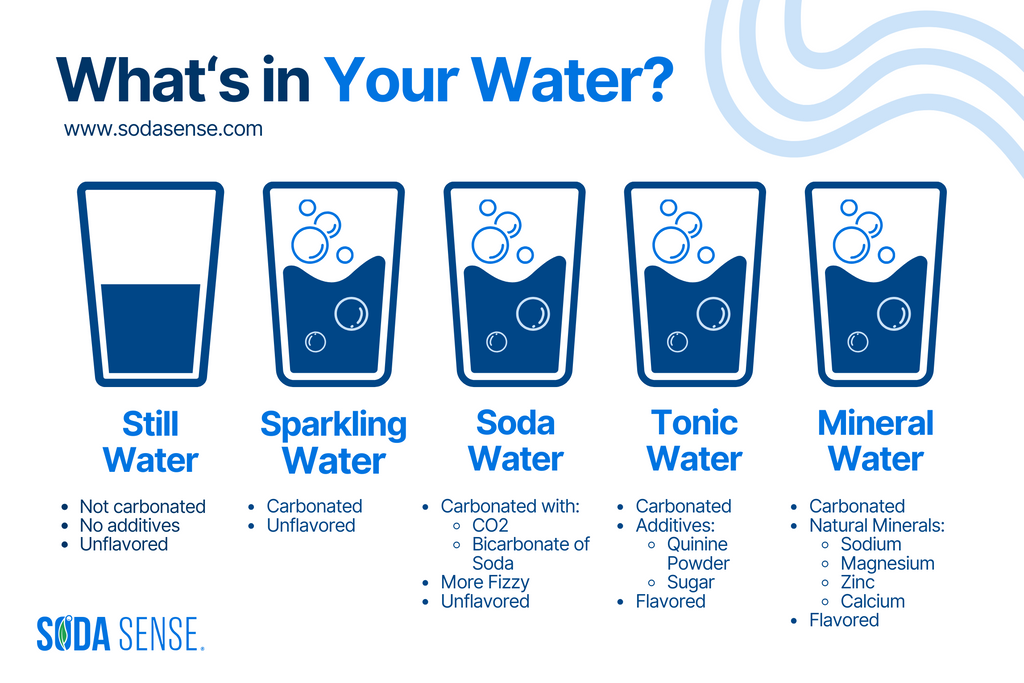 Sparkling Water Vs Soda Water: What’S The Difference? – PNSWG
Pro tip: if you hate the taste of tap water, adding a splash of lemon or lime turns it into “fancy water.” If you hate sparkling water, you might just be allergic to joy. (Kidding! Sort of.)
The Environmental Punchline
Here’s a fact that’ll ruin your day: plastic bottles are the enemy of both waters. But still water wins the eco medal because you can drink it from a reusable bottle guilt-free. Sparkling water often comes in glass or aluminum cans, which are better than plastic—but still have a carbon footprint from manufacturing and transport.
If you want to be a planet-loving hero, buy a SodaStream or a countertop carbonator. You essentially become a mad scientist, infusing your tap water with bubbles. You’ll save money, reduce waste, and impress your friends by saying, “I made this water angry myself.”
The Final Verdict (Drink What You Want)
So, what’s the difference between water and sparkling water? Personality. Still water is the reliable friend who drives you to the airport at 5 AM. Sparkling water is the same friend, but after three espressos.
Choose still water when you need hydration without distractions—like before a nap or a job interview. Choose sparkling when you want your drink to fight back and make a statement—like at a party where you’re pretending to be sophisticated while secretly watching YouTube on your phone.
One final surprising fact: sparkling water can last longer in your fridge than still water because the carbonation creates a hostile environment for bacteria. So if you’re lazy like me, bubbly water might actually buy you an extra day before you have to wash your cup. Take that, stillness.
Now go forth—and may your bubbles be plentiful, your burps silent, and your hydration legendary.
