Why Is Chlorine Added To The Water Purification Process

Ever wonder why your tap water smells a bit like a swimming pool? You can thank (or blame) chlorine for that. It’s the superhero of your faucet, fighting invisible villains yo...
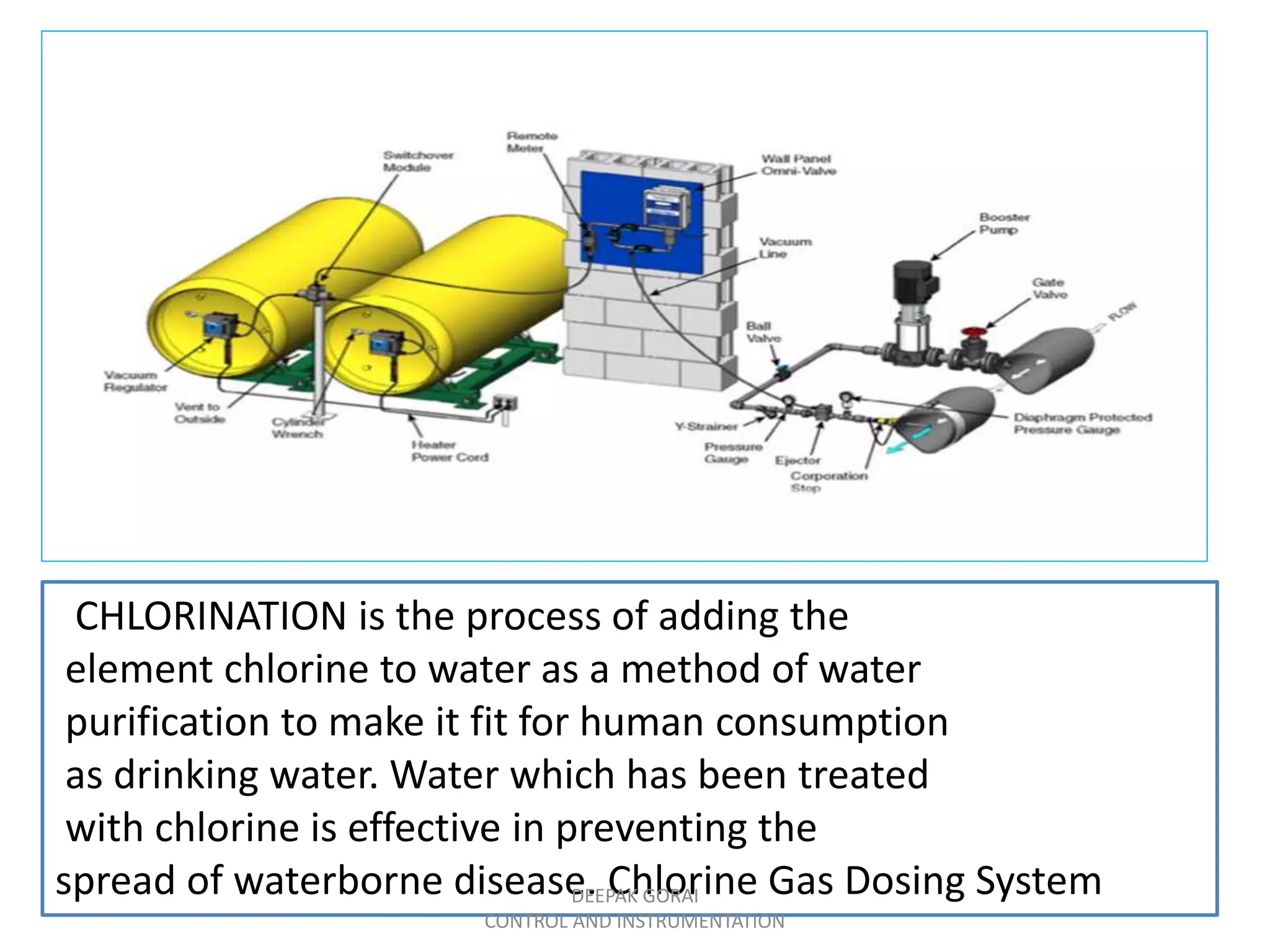
Ever wonder why your tap water smells a bit like a swimming pool? You can thank (or blame) chlorine for that. It’s the superhero of your faucet, fighting invisible villains you’d rather not think about.
Here’s the deal: water from rivers, lakes, and reservoirs isn’t as innocent as it looks. It’s basically a wandering hotel for bacteria, viruses, and parasites.
Without chlorine, you’d be sipping a cocktail of potential stomach bugs. Gross, right? That’s why we add it—to evict those unwelcome guests before they hit your glass.
Must Read
Chlorine: The Bouncer for Your Drinking Water
Think of chlorine as the bouncer at a nightclub. It kicks out the bad stuff (like E. coli and cholera) before they start a party in your gut.
It works by breaking down their cell walls, which is just a fancy way of saying it poofs them into oblivion. Scientists call it “disinfection,” but I call it microbe smash.
The cool part? Chlorine hangs around in the water as it travels through pipes to your house. This is called a residual effect, and it’s like leaving a security guard on duty 24/7.
But Wait—Does It Kill Everything?
Not quite, but it gets the major troublemakers. It’s not a magic wand, but it’s the best affordable weapon we’ve got.
Viruses like hepatitis A? Gone. Bacteria like typhoid? Adios. Parasites like Giardia? Mostly, but a few tough guys like Cryptosporidium need extra help (like UV light).
Still, without chlorine, our water systems would be a germ rave. And nobody wants to dance with a stomach flu.
Does Chlorine Make Water Taste Weird?
Okay, honest moment: yes, it can. That “pool-ish” taste is chlorine reacting with tiny bits of organic matter (like dead leaves or algae) still in the water.
But here’s the trade-off: a little bleachy aftertaste is way better than spending the night hugging a toilet. You can easily remove the taste by letting water sit in the fridge for an hour or using a filter.
Fun fact: your body actually needs a tiny bit of chlorine for digestion. Not the swimming-pool dose, but a trace amount is totally safe.
 Water Chlorination vs Reverse Osmosis - Carewater Solutions
The Nitty-Gritty: How Much Chlorine Are We Talking?
Water treatment plants add a teeny, tiny amount—about 4 parts per million (ppm) at the plant. By the time it hits your glass, it’s usually less than 1 ppm.
To put that in perspective: one part per million is like one drop of food coloring in a bathtub of water. So relax, you’re not drinking a bleach smoothie.
Health experts like the WHO and EPA say this level is perfectly safe for healthy people. Even your goldfish can handle it.
Are There Downsides?
Sure, nothing’s perfect. Chlorine can react with organic matter to form disinfection byproducts (DBPs), which sound scary. And in huge amounts, they might be linked to long-term health risks.
But here’s the thing: the risk of drinking untreated water—like getting cholera or dysentery—is 100% immediate and terrifying. DBPs are a theoretical risk years down the road.
Think of it like crossing the street: you’re more worried about getting hit by a bus (contaminated water) than about a sunburn (DBPs). Chlorine is your crosswalk.
What About Sensitive People?
Some folks with asthma or sensitive skin might notice irritation from chlorine vapor in the shower. A simple carbon filter on your showerhead helps loads.
And if you’re really worried, you can boil water for one minute to remove chlorine (it evaporates). Or leave a pitcher in the fridge overnight—pop, gone.
But for 99% of us, tap water with chlorine is a modern miracle. It’s one of the reasons diseases that killed our great-grandparents are now rare.
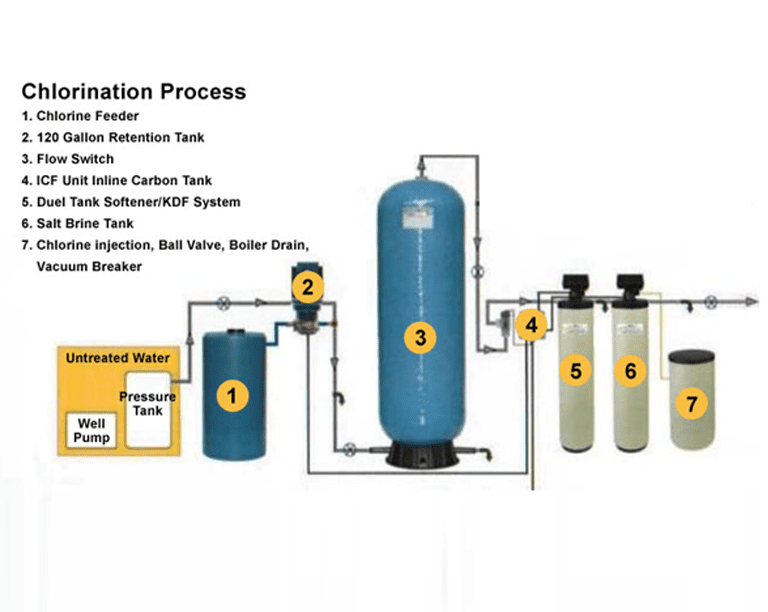 Drinking Water Treatment: Continuous Chlorination – NBROL
The Big Picture: A Victory for Clean Water
Before chlorine became common in the early 1900s, cities suffered from outbreaks of typhoid, cholera, and dysentery. People died from drinking water—which sounds insane today.
In 1908, Jersey City, New Jersey, became the first U.S. city to add chlorine. Cases of typhoid dropped by 90% almost overnight. That’s not a typo—90%.
Today, chlorine is credited with saving millions of lives worldwide every single year. It’s the quiet hero at the bottom of every glass of water you drink.
So, Why Is Chlorine Added?
To keep you from getting sick as a dog. To make sure your water stays safe from the treatment plant to your toothbrush cup.
It’s a simple, cheap, and ridiculously effective way to protect an entire city from invisible nasties. Plus, it works while sitting around doing nothing—talk about a low-effort employee.
Next time you gulp down a glass of tap water, raise it to the air: “Thanks, chlorine. You’re a little weird, but I appreciate you.”
Uplifting Conclusion (You’re Going to Smile)
So here’s the bottom line: chlorine is like that quirky, slightly overprotective friend who makes sure you get home safe. You might roll your eyes at their rules, but you’d be lost without them.
And remember: every time you drink from a public tap, you’re enjoying the fruits of a 100-year-old innovation that’s still saving lives today. That’s pretty awesome.
Now go pour yourself a glass of clean, chlorine-approved water. Raise it high, toast the chemists, and smile knowing that your gut is having a party—and the only guests are you and hydration. Cheers!
