Why Is My Dishwasher Leaving White Residue On My Dishes

You open the dishwasher after a full cycle, expecting a sparkling encore. Instead, your wine glasses look like they’ve been dusted with a ghost’s talcum powder. That chalky, w...
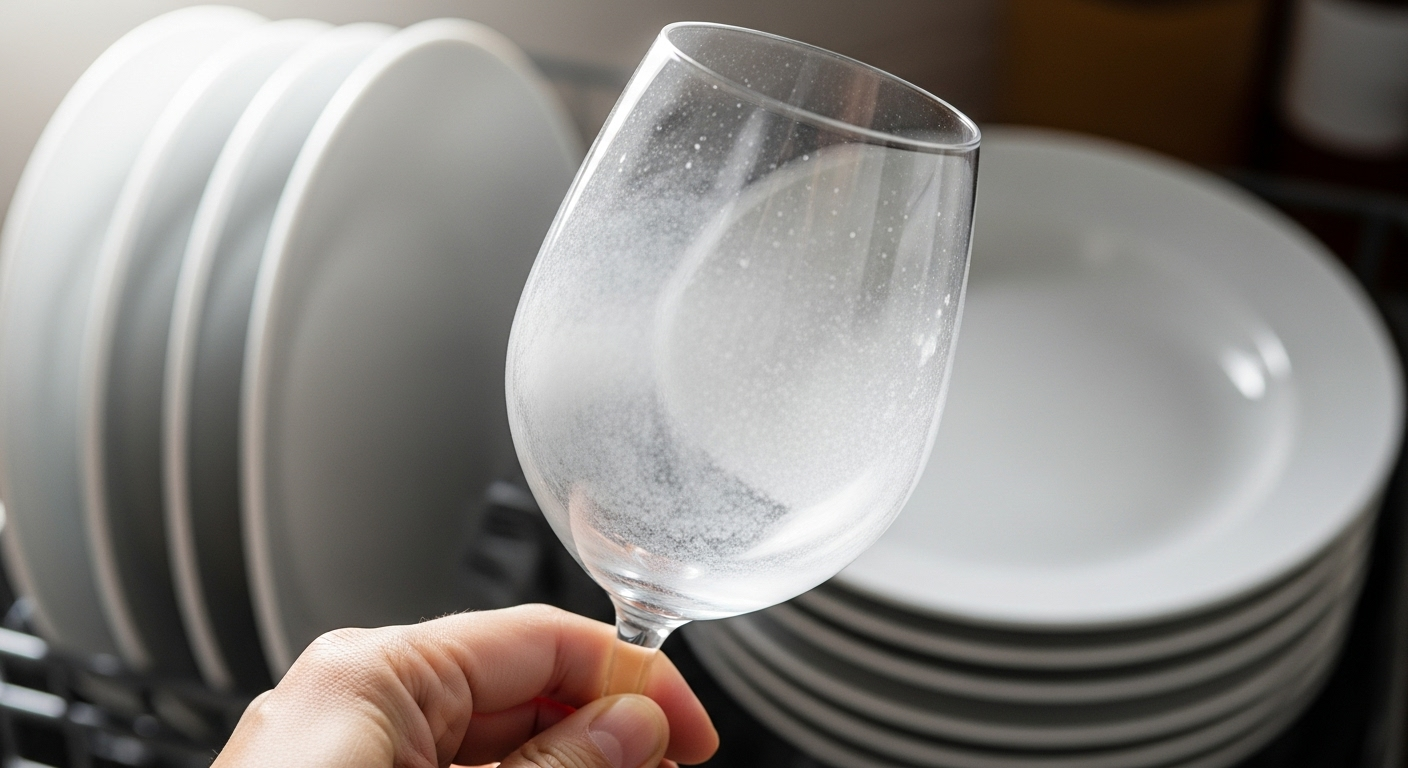
You open the dishwasher after a full cycle, expecting a sparkling encore. Instead, your wine glasses look like they’ve been dusted with a ghost’s talcum powder. That chalky, white film is the kitchen’s version of an unsolved mystery—but we’re about to crack the case.
The culprit is almost always hard water. Those mineral deposits—calcium and magnesium—literally bake onto your dishes during the drying phase. Think of it as a microscopic geological event happening right in your kitchen.
The Hard Truth About Your Water
If your home has well water or municipal water with high mineral content, you’re fighting a daily battle. Hard water doesn’t just leave residue; it’s like a polite, stubborn guest who refuses to leave.
Must Read
Here’s the fun fact: Your dishwasher is actually a chemistry lab. It needs the right balance of detergent, heat, and water chemistry to work. Too many minerals, and that balance tips into a chalky mess.
Rescue Option #1: Rinse Aid Is Your BFF
Most people skip rinse aid because they think it’s a gimmick. It’s not—it’s a surfactant, which means it lowers water tension so droplets slide off instead of drying into spots.
Think of rinse aid as the Botox for your drinking glasses: it smoothes everything out. A single bottle costs less than your average latte and lasts for months.
Rescue Option #2: The Tidy Trap
Your dishwasher has a filter—and if you’ve never cleaned it, you’re essentially washing dishes in dirty bathwater. That sludge builds up and redistributes minerals onto your plates.
Pull the filter out once a month. Rinse it under hot water. It takes 90 seconds and saves you from the horror of a gritty coffee mug.
The Detergent Dilemma
Pods are convenient, but they often contain too many phosphates or anti-caking agents. These leave a film when they don’t dissolve fully, especially in short or eco-cycles.
Switch to a powder or gel detergent and measure precisely. You can also toss a tablespoon of citric acid in the bottom of the machine before a cycle—it’s a kitchen alchemy trick that chelates minerals.
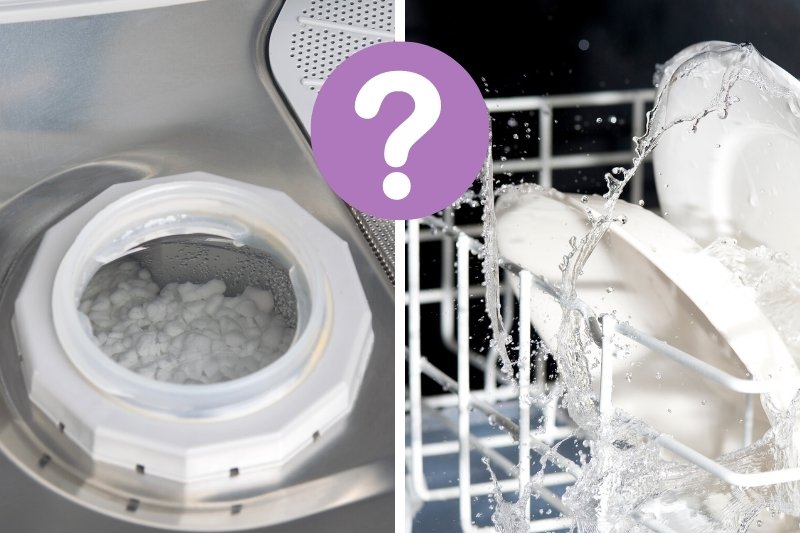 Why Do I Have Water Spots On My Dishes at Wayne Morgan blog
Your Water, Your Temperature
Dishwashers need water at 120–140°F (49–60°C) to activate detergent and melt food oils. If your water heater is set lower, you’re creating a warm, ineffective spa for bacteria and residue.
Test your tap temperature. Run the kitchen sink until it’s hot, then start the dishwasher. It’s a small habit that repays you in clarity.
Cultural Cheat Codes
In Italy, where espresso cups must be immaculate, home cooks use colpo di vapore—a burst of steam before the rinse cycle. You can replicate this by pausing your dishwasher after the wash cycle and letting steam vent for two minutes.
Or borrow a trick from Japanese households: rinse dishes with a splash of rice vinegar in the final cycle. It’s a natural acid that cuts through alkaline residue without leaving smell.
The Drying Phase Is the Villain
Mineral deposits form when water evaporates. The longer the drying cycle, the more residue you get. Use heated dry only when necessary, and crack the door open after the cycle ends.
For a wildcard solution, add half a slice of lemon to the top rack. The citric acid neutralizes minerals, and your kitchen smells like a summer garden.
When All Else Fails: The Vinegar Double-Feature
Place a cup of white vinegar on the top rack—no detergent—and run a cleaning cycle once a month. This strips accumulated scale from the machine’s internal pipes.
It’s like a juice cleanse for your dishwasher. Afterward, run a regular cycle with detergent to reset the pH. You’ll see a difference on the very next load.
 White Residue On Dishwasher at Rodney Swisher blog
Fun Fact: Water Hardness Levels
The US Geological Survey rates water hardness on a scale of 1 to 10 grains per gallon. If you exceed 7 grains, you are legally in “very hard” territory—and literally in mineral-mugshot country.
You can buy a simple test strip online for a few dollars. Knowing your exact number is like having a cheat code for your appliance manual.
The Pod People Problem
Those glossy detergent pods are convenient, but they rarely dissolve fully in hard water. The outer wrap requires specific water chemistry to break down, and your hard water laughs at its efforts.
Switch to liquid or powder. Your dishes will stop looking like they’ve been dusted with chalkboard residue. Bonus: you’ll also reduce plastic waste.
Final Practical Hacks
Always load glasses facing downward at a slight angle. This lets water run off instead of pooling. And never overload—crowding prevents water jets from reaching every surface.
If you see white residue on plastic items, scrub them with a paste of baking soda and water. It’s gentle abrasion that lifts the film without scratching.
A final reflection—because dishwashing is more than just chores. That white residue is a tiny reminder that our homes are full of invisible chemistry. The calcium in your tap water once built seashells; the magnesium helped plants grow. Now it’s just asking you to pay a little more attention.
So take five minutes to adjust your rinse aid, or run a vinegar cycle while you sip your morning coffee. Clarity is earned, not given. And a clean glass? It reflects not just light, but a small, satisfying victory over the chaos of daily life.
