What Is The Difference Between Tap Water And Distilled

Picture this: you’re standing in your kitchen, staring at a glass of water from the tap. It looks innocent enough. But then you eye that jug of distilled water in the fridge,...

Picture this: you’re standing in your kitchen, staring at a glass of water from the tap. It looks innocent enough. But then you eye that jug of distilled water in the fridge, and you start to wonder—what’s the difference, really? Is one secretly a villain? Is the other a superhero in disguise? Grab a seat, because we’re about to settle this watery feud once and for all, with plenty of laughs and zero judgment for your hydration choices.
Tap water: the chaotic neighbor
Your tap water is like that friend who shows up to a potluck with a mystery casserole. It’s local, it’s free (almost), and it’s got a little bit of everything—minerals, fluoride, chlorine, and maybe a whisper of whatever washed off a cow three counties over. Most of the time, it’s perfectly safe, but let’s be honest: sometimes it tastes like a swimming pool had a baby with a rock.
That weird taste? It’s usually chlorine, added to kill bacteria. Fun fact: your tap water has likely passed through more pipes and treatment plants than a rock band on a world tour. By the time it reaches your glass, it’s been filtered, tested, and judged by a bunch of scientists in lab coats. Pretty fancy for something that starts as rain that hit a pigeon.
Must Read
But here’s the kicker: tap water contains dissolved minerals like calcium and magnesium. That’s great for your bones, but terrible for your coffee maker—it builds up scale faster than a villain monologuing. So, tap water is a multitasker: it hydrates you and slowly destroys your appliances.
Enter distilled water: the high-maintenance diva
Distilled water is the snooty cousin who only drinks Evian and judges your tap water’s “vibes.” It’s made by boiling water into steam and then condensing it back into liquid, leaving behind everything except pure H₂O. That’s right—no minerals, no bacteria, no fluoride, not even a hint of that rustic “cow” essence. It’s chemically naked.
Think of it as water that went to finishing school. It’s so pure that it’s actually a bit of a bore—it will dissolve carbon dioxide from the air faster than you can say “flat soda,” giving it a slightly acidic taste. But hey, if you want to water your plants without leaving mineral spots, or fill a car battery without causing a tiny explosion, distilled is your ride-or-die.
Here’s a plot twist: drinking distilled water exclusively might actually be bad for you. Without minerals, your body has to dig into its own stores to keep things balanced. It’s like eating plain white rice for every meal—it’ll keep you alive, but your teeth might start plotting against you.
 Tap Water vs Distilled Water - Differences & Comparison
The shocking truth about what’s actually in there
Let’s get weird. Tap water can contain trace amounts of pharmaceuticals—like caffeine, antidepressants, and even birth control—that slip through treatment plants. No, it’s not enough to give you superpowers or turn you into a zombie, but it’s enough to make you look at your glass sideways. Meanwhile, distilled water is so pure that if you drank nothing else, you’d start leaching electrolytes from your body. That’s how you get headaches and muscle cramps. Not fun.
On the flip side, tap water has fluoride, which is great for your teeth but controversial because, you know, it’s basically a chemical we add on purpose to prevent cavities. Drink too much distilled water, and you might get less fluoride. Then your dentist will give you that look—the one that says, “I’m not mad, just disappointed.”
Surprising fact: Distilled water isn’t even that common for drinking—it’s mostly used in labs, steam irons, and CPAP machines. So unless you’re a robot or a fancy humidifier, tap water is probably your best bet for daily guzzling.
The epic showdown: which one wins?
If you’re hydrating for a run, grab tap water—it’s got electrolytes (though not as many as Gatorade, which is just sugary rainbows). If you’re making coffee, tap water is fine, but distilled will make it taste bland, like a joke told by a mime. If you’re watering your Venus flytrap or filling a fish tank, use distilled—tap water’s chlorine and minerals can stress out your finny friends.
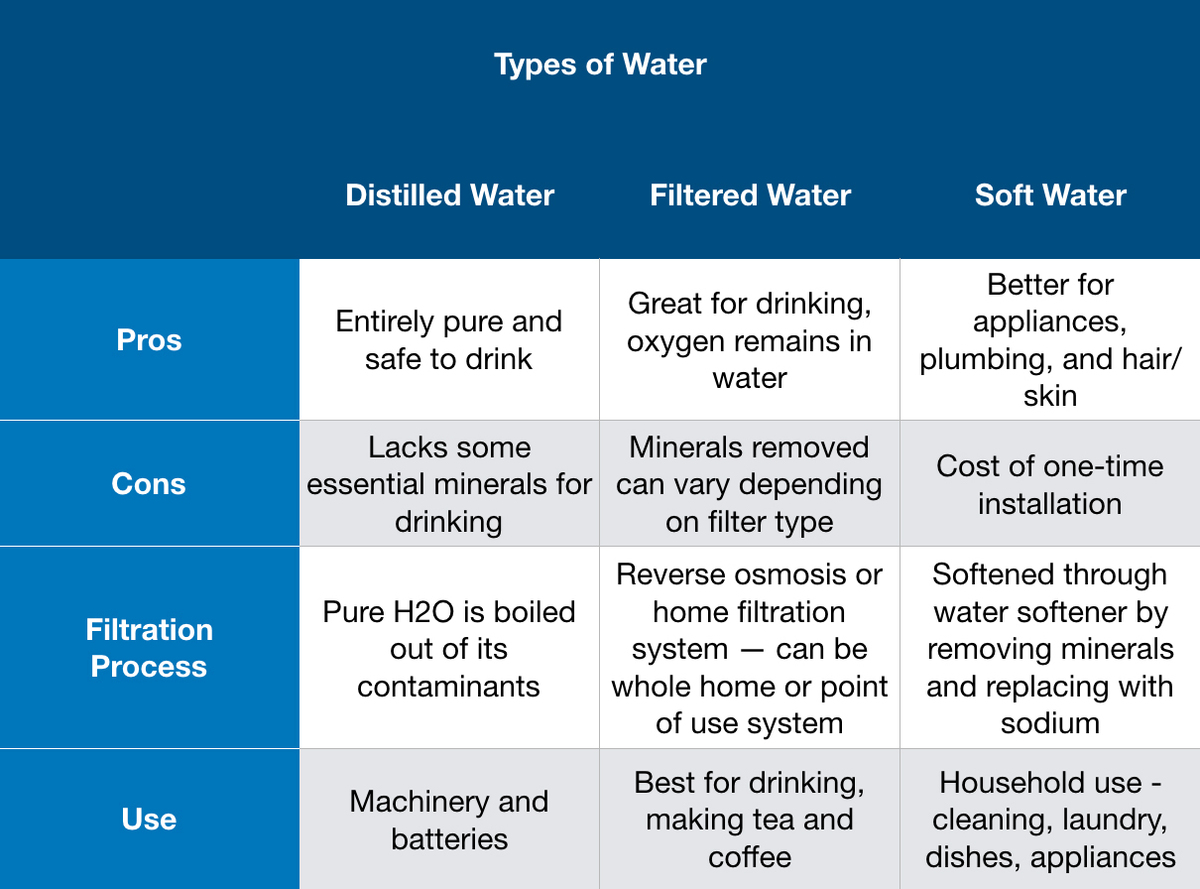 Distilled Water vs Tap Water: Is There a Difference? — WaterSmart
Let’s be real: most people don’t need distilled water. It’s like buying a tuxedo for a backyard barbecue. Unless your tap water tastes like a rusty pipe dipped in regret, you’re probably fine. But if you do want to try distilled, just be prepared for the taste of nothing—literally nothing. It’s the water equivalent of a blank stare.
Here’s my final verdict: tap water is the reliable, slightly quirky friend who shows up with a questionable potato salad but always has your back. Distilled water is the friend who brings a single, perfect, organic carrot and then lectures you about its journey from seed to plate. Both have their place, but only one is likely to be in your fridge right now—and it’s probably not the one that costs $2 a gallon.
The bottom line (served with a wink)
So, next time you fill a glass from the tap, give it a little nod of respect. It’s been through hell and high water—literally. And if you’re feeling fancy, go ahead and sip some distilled. Just don’t forget to eat a banana for the potassium you’re missing. Your teeth, your coffee maker, and your neighbor’s questionable casserole will thank you.
Now go drink something. Anything. Hydration is important—even if it comes from a pipe, a bottle, or a sad, misunderstood cloud from a steam iron. Cheers!
