How To Connect And Disconnect Quick Connect Fittings

You know that moment when you’re staring at a tangle of hoses in the garage, and it feels like you’re trying to negotiate with a very stubborn octopus? That’s the magic and th...
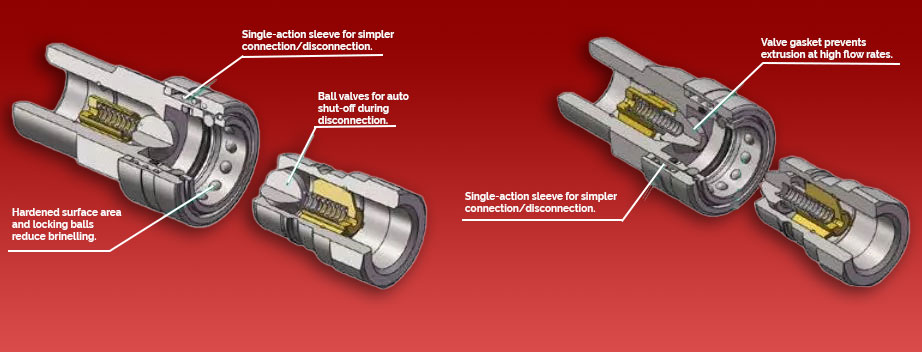
You know that moment when you’re staring at a tangle of hoses in the garage, and it feels like you’re trying to negotiate with a very stubborn octopus? That’s the magic and the misery of quick connect fittings. They promise a life of effortless swapping, but they often deliver a comedy of errors involving blistered thumbs and whispered curses.
Let’s be real: connecting a quick connect fitting is like trying to get a toddler to put on their shoes. You push, you angle, you apply steady pressure, and just when you think it’s not going to work, click—it snaps into place with a satisfying pop. The trick is to push straight on while pulling the collar back slightly, like you’re dodging a handshake from a very enthusiastic relative.
I once watched a neighbor spend five minutes jiggling a pneumatic hose fitting, convinced it was broken. Turns out, he was pushing it upside down. Quick connects are picky about their partners; the male end needs to enter the female end like a key into a lock, not like a drunk guy trying to find his car door. Alignment is everything—a slight tilt, and you’ll be fighting physics for hours.
Must Read
Once you feel that positive click, give it a gentle tug to confirm it’s secure. If it slides off instantly, you’ve failed the “toddler-shoe test.” Don’t panic—just pull the collar back again, reset, and try once more. This is the part where you pretend you meant to do that, smiling like a zen master with a bruised thumb.
The Art of Disconnecting: A Tale of Two Grip Styles
Disconnecting is where the real personality of a quick connect fitting shines. It’s like breaking up with a clingy ex—you need to be firm, deliberate, and prepared for resistance. The basic move is to push the collar inward toward the female body, not pull it outward. Most people pull, and that’s why the fitting laughs at them.
So, you grip the collar with your thumb and forefinger, push it flush against the body, and then pull the hose away. If you feel a hiss of air, that’s the fitting sighing in relief. Some heavy-duty fittings have a double-action collar that requires a two-step push—think of it as a handshake that needs three pumps instead of two.
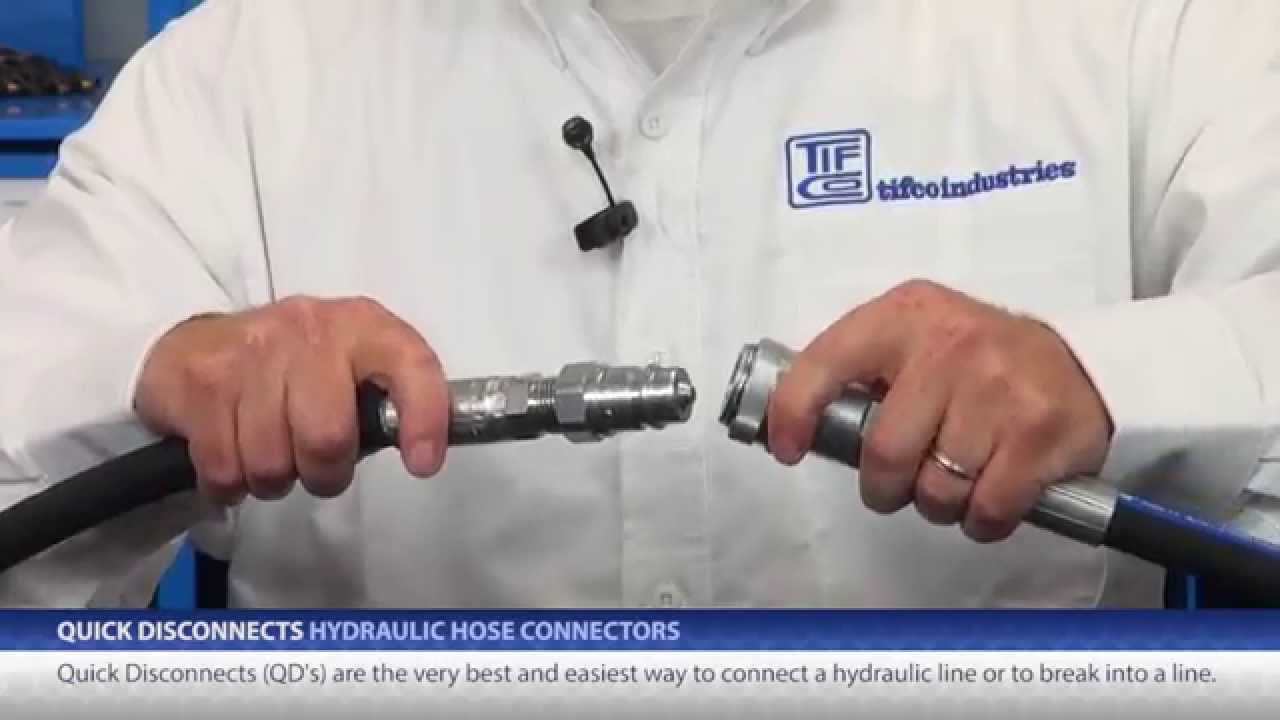 Quick Connect Hydraulic Hose Ends
Here’s a pro tip from my own garage: make sure the system is depressurized first. I learned this the hard way when I disconnected a garden hose under pressure and got slapped in the face with a high-speed water jet. It felt like a fish had personally attacked me. Always shut off the water or air supply, then gently pull the trigger to release residual pressure.
When the Fitting Refuses to Cooperate
Sometimes, the fitting just won’t let go. It’s like a vacuum-sealed jar of pickles—you’re not sure if you’re angry or impressed. In these moments, lubrication is your friend. A tiny squirt of silicone spray around the collar usually persuades it to behave like a civilized piece of hardware.
I once had a friend try to disconnect a fitting with a pair of pliers because his hands were too sweaty. Bad idea. He crushed the collar, and then we had to cut the whole assembly off. Quick connects are tough, but they’re not indestructible. Treat them like a moody cat—gentle, patient, and ready to retreat at any moment.
 Quick Connect
If you’re dealing with a stuck fitting, try tapping the collar gently with a small tool. The vibration sometimes shocks the internal balls into releasing their grip. Think of it as a polite “knock knock” instead of a violent break-in.
Everyday Life Lessons from Quick Connects
There’s a deep life lesson here, I swear. Quick connect fittings teach us that everything works better when you approach it with the right pressure and the right angle. Push too hard too fast, and you’ll jam it. Push too soft, and it won’t click. It’s the Goldilocks zone of hardware interaction.
And just like in life, knowing when to disconnect is as important as knowing how to connect. You can’t run three sprinklers off one hose without a quick-disconnect adapter, but you also can’t run a compressor and a paint sprayer at the same time without switching. The fitting is your relationship manager—respect its boundaries.
So next time you’re out there in the yard or workshop, wrestling with a quick connect, remember: you’re not alone. Every single person who has ever owned a pressure washer or an air compressor has had this exact battle. You’ll feel the click, hear the hiss, and maybe—just maybe—you’ll smile because you finally cracked the code. And if you don’t? Well, there’s always a second attempt waiting with a fresh pair of gloves.
