How Much Water Does A Reverse Osmosis System Waste

So, you’re thinking about getting a reverse osmosis (RO) system, huh? Maybe you’re tired of that weird, metallic tap-water tang, or you want water so pure it makes your coffee...

So, you’re thinking about getting a reverse osmosis (RO) system, huh? Maybe you’re tired of that weird, metallic tap-water tang, or you want water so pure it makes your coffee taste like a gourmet hug. But then someone whispers the scary part: “It wastes water.” Gasp! Don’t panic yet—let’s break this down like we’re gossiping over a glass of (filtered) lemonade.
The Honest Truth: Yes, It Wastes Some Water
Okay, spoiler alert: RO systems do send a bit of water down the drain. It’s not a perfect machine—it’s more like a picky eater at a buffet. For every gallon of pristine water it makes, it might push two, three, or even four gallons away as “reject” water.
That sounds terrible, right? Like your faucet is secretly running a marathon without you. But hold your horses—or your plumbing—because the reality is way less dramatic than the internet makes it seem. Think of it as a tiny, necessary sacrifice for water so pure it could audition for a sci-fi movie.
Must Read
Why Does It “Waste” Water, Anyway?
Here’s the nerdy bit (don’t worry, I’ll keep it fun). Your RO system works like a super-strict bouncer at a club. It shoves tap water through a special membrane that only lets H₂O molecules through—but it leaves behind all the party crashers like lead, chlorine, and fluoride.
To keep that bouncer from getting clogged, it needs a constant flush of water to wash those crashers away. That flush water? Yep, it goes down the drain. It’s not actually wasted in the “I threw money away” sense—it’s more like the rinse cycle on your washing machine.
How Much Are We Talking? Let’s Do the Math (Fun Math!)
Old-school RO systems from the 90s were thirsty beasts, wasting up to 5 gallons for every 1 they made. Yikes! But modern ones? They’ve gone to efficiency school. Today’s standard models waste about 2 to 3 gallons per gallon produced.
Wait—that’s still a lot, right? Let’s put it in perspective. Your average toilet flush uses 1.6 gallons (if it’s modern) or even 3.5 gallons (if it’s a vintage dinosaur). So, making one lovely gallon of RO water is like flushing a toilet once or twice. Not exactly the end of the world, is it?
And if you’re a high-tech hero, you can buy a “permeate pump” or a zero-waste system that cuts that waste down to 1:1 or even less. Imagine that—one glass of waste for every glass of pure heaven. Now we’re talking!
But Wait—Is It Really “Wasted”?
Here’s a secret the water company doesn’t want you to know: that reject water is not dirty. It’s just slightly more concentrated with minerals and stuff. You could use it to water your petunias, rinse your dishes, or give your toilet a pre-flush flush. (Your garden won’t mind a little extra calcium, I promise!)
 Does Reverse Osmosis Waste Water? - Guide to RO Water Waste
Some clever folks even plumb that reject water into their washing machine or garden hose. It’s like a free bonus stream—you just have to decide it’s not “waste” but “second-chance water.” Call it upcycling for your pipes.
The Ultimate Comparison: RO vs. Bottled Water
Let’s get real for a second. A bottle of fancy spring water might cost you $2 for 16 ounces. An RO system wastes maybe 3 cents worth of water per gallon. And bottled water? It takes 5 to 7 gallons of water just to make one single plastic bottle (including the manufacturing process).
So, comparing RO waste to the bottled-water industry is like comparing a polite hiccup to a screaming tantrum. Your RO system is the eco-hero here, not the villain. Plus, you’ll never have to carry those heavy jugs from the grocery store again—and your back will thank you with every sip.
What About Your Water Bill? Let’s Do the Fun Math (Part 2)
Average American water costs about $0.005 per gallon. So, if your RO system makes 5 gallons of pure water a day (which is a lot for a family), and it wastes 3 gallons per 1 gallon made… drum roll please… that’s about 15 gallons wasted per day. That’s 7.5 cents a day. A quarter per day if you’re a heavy user.
That’s less than the cost of one stale bagel from the office break room. Honestly, you probably lose more money in loose change behind your couch cushions. And for that, you get water so crisp it makes ice cubes look like tiny diamond sculptures.
How to Be a Water-Saving Ninja (Even With RO)
Want to feel extra good about your system? Don’t forget the reject water! Collect it in a bucket for your houseplants (they love the extra minerals), or use it to rinse your recycling. You could even run it to a rain barrel for outdoor use—just avoid drinking it yourself. (You’re not that thirsty, are you?)
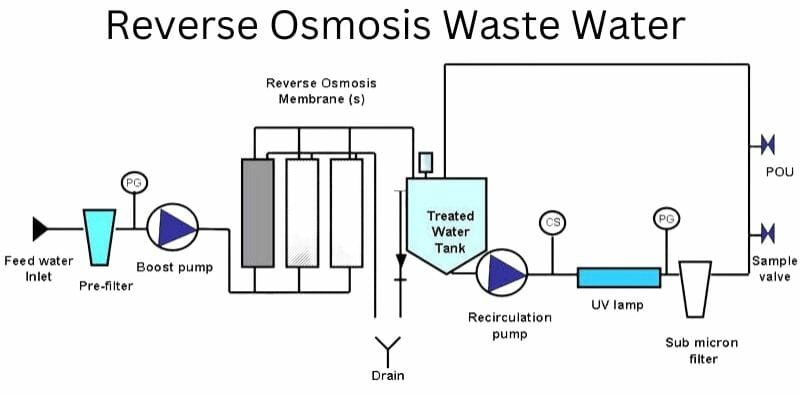 Reverse Osmosis Waste Water: The Facts!
Another pro tip: buy a modern RO system with a high recovery ratio. Look for ones that say “1:1” or “low waste” on the box. They cost a bit more upfront but save you water (and guilt) for years. Think of it as buying a fuel-efficient car, but for your kitchen sink.
And remember: turn off the system when you’re not using it. Many units have a shut-off valve. If it runs all night for no reason, that’s like leaving a tiny faucet dripping. Be smarter than the machine—you’re the boss of it.
The Real Bottom Line: Is It Worth It?
Okay, let’s be honest. Even with the waste, an RO system saves you from buying plastic bottles, reduces your exposure to contaminants, and makes your water taste like it fell from a cloud. The waste is a small price to pay for that level of convenience and health.
Plus, think of it this way: every time you flush your toilet, you waste more water than your RO system does in an hour. And nobody argues with the toilet—it’s a bathroom institution! Your RO system deserves the same respect.
Uplifting Conclusion: You’re a Water Wizard, Not a Water Waster
So, how much water does a reverse osmosis system waste? Enough to make you pause, but not enough to make you panic. It’s a tiny trade-off for water so pure it could audition for a role in “The Perfect Cup of Tea.” You’re not a “waster”—you’re a curator of quality.
And hey, if you really want to feel like a champion, reuse that reject water for your ficus tree. That ficus will grow so big it might start charging you rent. So go ahead, sip that glorious, filtered H₂O, and give your sink a little high-five. You’ve earned it—waste and all. Cheers to you, you amazing, water-savvy human! 🌊💧
