Why Is It Better To Drink Room Temperature Water

Have you ever noticed how your favorite café serves your flat white at a specific temperature, not piping hot, but just right? Or how, in some cultures, people reach for a gla...

Have you ever noticed how your favorite café serves your flat white at a specific temperature, not piping hot, but just right? Or how, in some cultures, people reach for a glass of water from the counter rather than the fridge? It’s a little curious, isn’t it? We’re so used to ice-cold water being the ultimate refreshment, but what if room temperature water is actually the more interesting choice?
Your Body Isn’t a Fan of Shocks
Think of your digestive system like a high-end espresso machine. You wouldn’t pour a freezing cold liquid into a warm, delicate machine, right? Room temperature water is much gentler on your body’s internal systems. It helps your system settle into its work without having to waste energy frantically warming up that cold water first.
Let’s compare it to starting your car on a freezing morning. You let it idle for a bit, don’t you? A glass of iced water is like revving a cold engine to the red line. Lukewarm or room temperature water lets everything glide smoothly into action. It’s a lot less work for your insides.
Must Read
The Digestion Dance
Ever felt a little cramp or sluggishness after drinking something ice-cold with a big meal? That’s your gut going, “Whoa, slow down.” Cold water can actually constrict your blood vessels and slow down the process of breaking down food. Room temperature water doesn’t shock your stomach lining.
It’s like a gentle nudge instead of a splash in the face. When you drink water that’s close to your body’s natural temperature, your body doesn’t have to interrupt its main job—digestion—to handle a thermal crisis. It just lets the water slide right in and help with the process.
This is especially true for fats. Solid fats need warmth to liquefy and be absorbed properly. Chugging cold water can literally make those fats harden up a bit inside your gut, making them trickier to handle. Room temperature water keeps things moving like a well-oiled (and well-warmed) machine.
Better Hydration, Fewer Headaches
Are you truly absorbing all that ice water? Your body has to expend a surprising amount of energy to bring cold fluid up to 98.6°F (37°C). You might actually be sweating off a small fraction of the hydration just trying to heat the drink up! Room temperature water is easier to absorb directly into your cells.
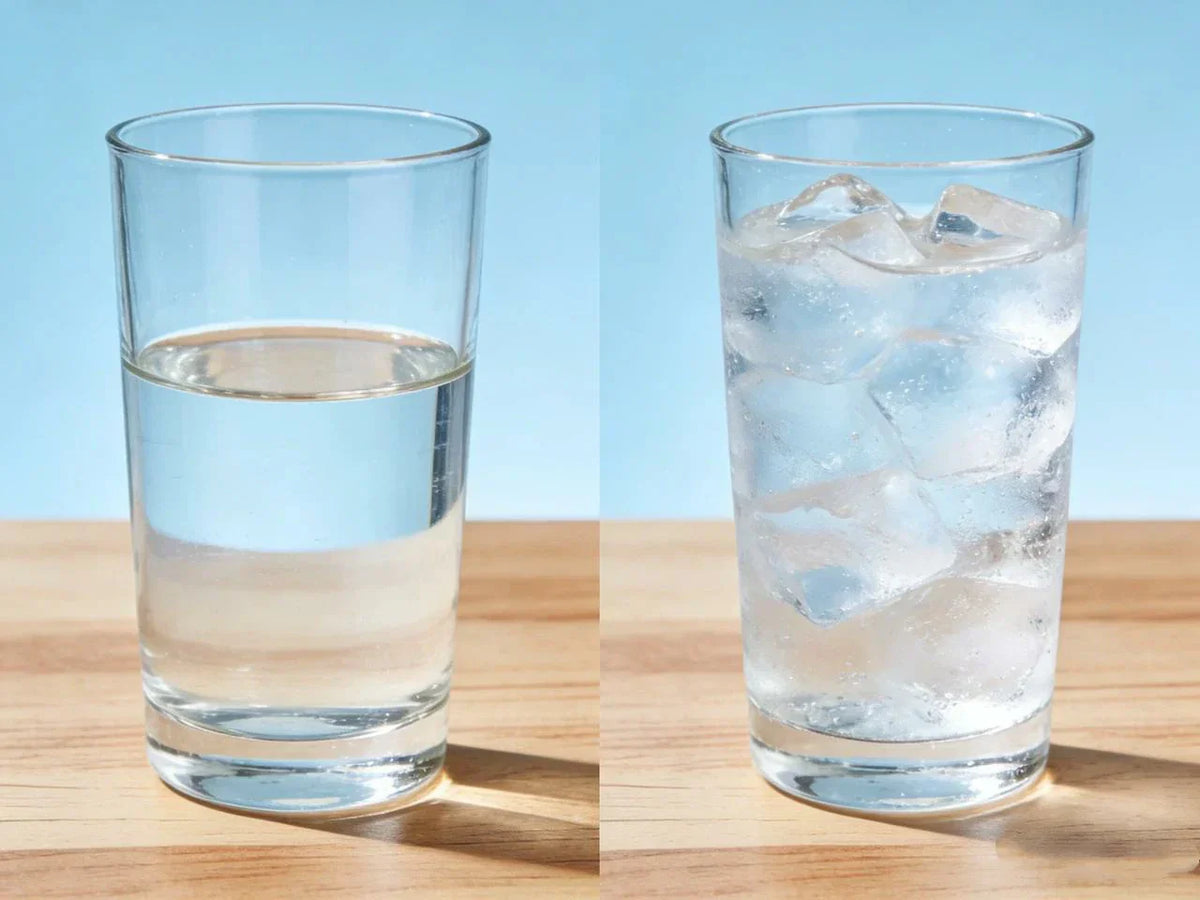 Room Temperature Water vs Cold Water: Which Is Better for Drinking
Think of it like watering a plant. You wouldn’t pour icy water on a houseplant’s roots, would you? You’d give it room temperature water so it can soak it up immediately. Your body works the same way.
And here’s a cool trick for you: if you suffer from headaches or sinus pressure, sipping warm or room temp water can help relieve that congestion. Cold tends to tighten things up; warmth encourages flow. It’s a simple, zero-cost hack for feeling clearer.
The Ayurveda Angle (It’s Old School Cool)
This isn’t just some new fad from a wellness influencer. For thousands of years, traditional medicine systems like Ayurveda have been saying: no ice, please. They believe that cold water extinguishes your digestive fire—or “agni.”
Imagine a campfire. You don’t throw a bucket of ice on it while you’re trying to cook dinner, right? You gently fan the flames. A glass of room temperature or warm water is like adding dry wood. It stokes the fire and helps you process your food efficiently.
 Cold Water vs Room Temperature Water | Which is Better for Performance
It feels a bit rebellious, doesn’t it? Rejecting the automatic “add ice” reflex. But next time you’re thirsty, try skipping the fridge for a day. Notice how your tummy feels. Notice if you feel less bloated or more settled. It’s a tiny experiment that costs nothing.
The Real-World Test
Try this: drink a glass of room temperature water first thing in the morning. Before coffee. Before anything. Just water. It wakes up your organs without the jolt of caffeine or the shock of cold. You might feel a gentle “waking up” from your stomach instead of a kick.
Or, during your next workout, sip on water that isn’t ice cold. You might sweat more steadily and find you don’t gulp it down quite as desperately. Your body can actually listen to its thirst cues better without the numbing effect of extreme cold.
So, is it really “better” to drink room temperature water? For everyday comfort, gentle digestion, and efficient hydration, it’s hard to beat. Cold water is still fantastic for a hot summer day or for cooling down quickly. But for the quiet, steady work your body does every day? Give the fridge a little break. Your innards might just thank you.
