Why Does My Mouth Taste Sweet When I Drink Water

So there I was, about three in the morning, stumbling into the kitchen for a glass of tap water. I took a long, desperate gulp, expecting that cold, neutral relief. Instead, m...
So there I was, about three in the morning, stumbling into the kitchen for a glass of tap water. I took a long, desperate gulp, expecting that cold, neutral relief. Instead, my tongue was hit with a weird, cloying sweetness, like I’d just gargled with melted sugar cubes. I actually checked the glass to see if I’d grabbed juice by mistake. Nope. Just plain water, betraying me with a flavor it really shouldn’t have.
If you’ve ever experienced this, you know how unsettling it is. It’s not a bad taste, exactly, but it’s wrong. Your brain immediately tries to rationalize it: Did someone dose my Brita filter with maple syrup? (Spoiler: no one did.) The real answer is both simpler and more bizarre than you’d think—and it starts with the humble biology of your own mouth.
The usual suspect: your last meal
Let’s state the obvious first, because this is usually the culprit. Did you eat a carb-heavy dinner or snack before that glass of water? Pasta, bread, crackers, or even a sugary drink can leave residues that your saliva gets to work on.
Must Read
Your saliva contains an enzyme called amylase. Its job is to break complex starches down into simple sugars like maltose and glucose. When you drink water, you’re essentially stirring up those leftover starches in your mouth—and giving amylase a fresh wave of liquid to finish its job. That sweet taste? You’re tasting the digested sugars being created in real time.
Think of it as a tiny, very personal chemistry set happening on your tongue. And you thought your morning toast was long gone. Ha. No. It lives on in your water glass.
But what if you haven’t eaten in hours?
Here’s where it gets interesting. If you brushed your teeth two hours ago and your stomach is empty, a sweet water taste might point to something deeper—like your metabolism or even your breath. I know, I know, we’re getting personal now, but stick with me.
A condition called “ketone breath” can make water taste sweet. When your body is fasting (or on a low-carb diet), it burns fat for energy instead of glucose. This produces ketones, which have a faint, fruity-sweet smell. When you drink water, the liquid vaporizes those ketones in your mouth, and your tongue picks them up as sweetness.
This is more common in the morning after a long overnight fast. So if you wake up, chug water, and taste sugar—your body might be saying, “Hey, I’m in fat-burning mode, boss.” It’s not dangerous, but it’s a neat little biosignal. (Unless you have diabetes—more on that in a second.)
 Tongue Feels Weird When Drinking Water
The less fun possibility: blood sugar hijinks
Let’s address the elephant in the bathroom sink. A persistent sweet taste, especially if it happens every time you drink water, can be linked to diabetes or pre-diabetes. High blood sugar levels can leak glucose into your saliva, making everything—even plain H₂O—taste like a soda.
You might also notice a fruity smell on your breath. That’s actually ketones again, but in a different context: if you have unmanaged diabetes, your body can’t use sugar properly, so it dumps ketones into your breath and urine. Water then acts like a scent diffuser for that smell-flavor combo.
Look, I’m not trying to scare you, but if this sweet-water thing is a regular party trick in your mouth—and you’re also feeling excessively thirsty, tired, or losing weight without trying—please see a doctor. A simple blood test can rule out the scary stuff. (Your tongue will thank you for the peace of mind.)
Your nose is low-key involved
Ever notice that when you have a cold, everything tastes weird? That’s because taste and smell are inseparable. A sweet water taste can sometimes be a phantom smell issue. Maybe you have a sinus infection or allergies that are distorting how your brain interprets “neutral” water.
There’s even a weird condition called phantosmia where you smell things that aren’t there—including sweet, burnt, or chemical scents. If your nose is playing tricks, your mouth gets confused too. Try pinching your nose shut next time you sip. If the sweetness vanishes, congratulations: your nose is the traitor, not your taste buds.
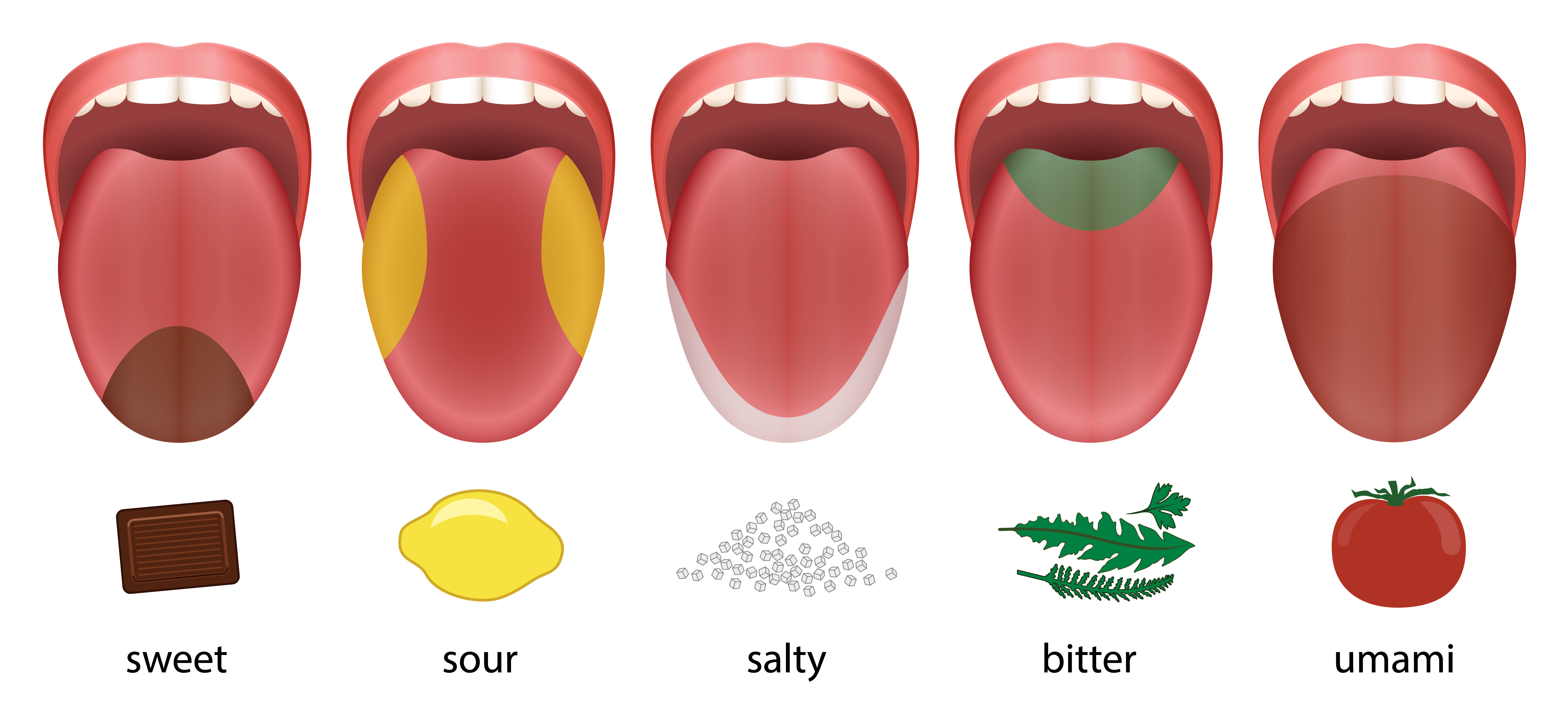 Tongue Taste Areas Sweet Sour Salty Bitter Umami - WellTuned by BCBST
Other weirdos in the lineup
Medications can also mess with your saliva’s chemistry. Antihistamines, antibiotics, and antidepressants sometimes leave a weird sweet or metallic aftertaste that water doesn’t wash away—it activates it. Also, pregnancy hormones can make everything taste like a dessert buffet. Yes, even tap water.
And let’s not forget nerve damage. A head injury or even a dental procedure can sometimes tweak the nerves that carry taste signals. After some oral surgeries, people report water tasting sweet for weeks. It’s rare, but it’s a reminder that your mouth is basically a nerve-filled cartoon character that responds to physical drama.
So what do you do if it happens again? First, don’t panic. Drink a glass of plain water and swish it around—if the sweetness fades after a few seconds, it was likely just leftover starch from your last snack. If it persists or returns every time you hydrate, make a mental note: timing, what you ate, any meds, any other symptoms.
The weird truth is your mouth is a chaotic ecosystem. It’s got enzymes, bacteria, leftover food bits, and nerve endings all doing their own thing. And when you introduce water—the universal solvent—you’re basically giving them a stage to perform. Sometimes that performance is a sweet little solo that leaves you scratching your head.
In the meantime, enjoy the free mystery flavor. Just maybe don’t assume your tap is secretly a soda fountain. Your pancreas is doing enough weird work already.
