How Long Does The Resin In A Water Softener Last

So, you’ve got a water softener—the unsung hero of your plumbing system. It’s that magical box that banishes hard water spots and makes your hair feel like silk. But eventuall...
So, you’ve got a water softener—the unsung hero of your plumbing system. It’s that magical box that banishes hard water spots and makes your hair feel like silk. But eventually, you start wondering: how long does the resin inside actually last? It’s a fair question, and I’m here to give you the honest, no-BS answer (with a few jokes sprinkled in, because why not?).
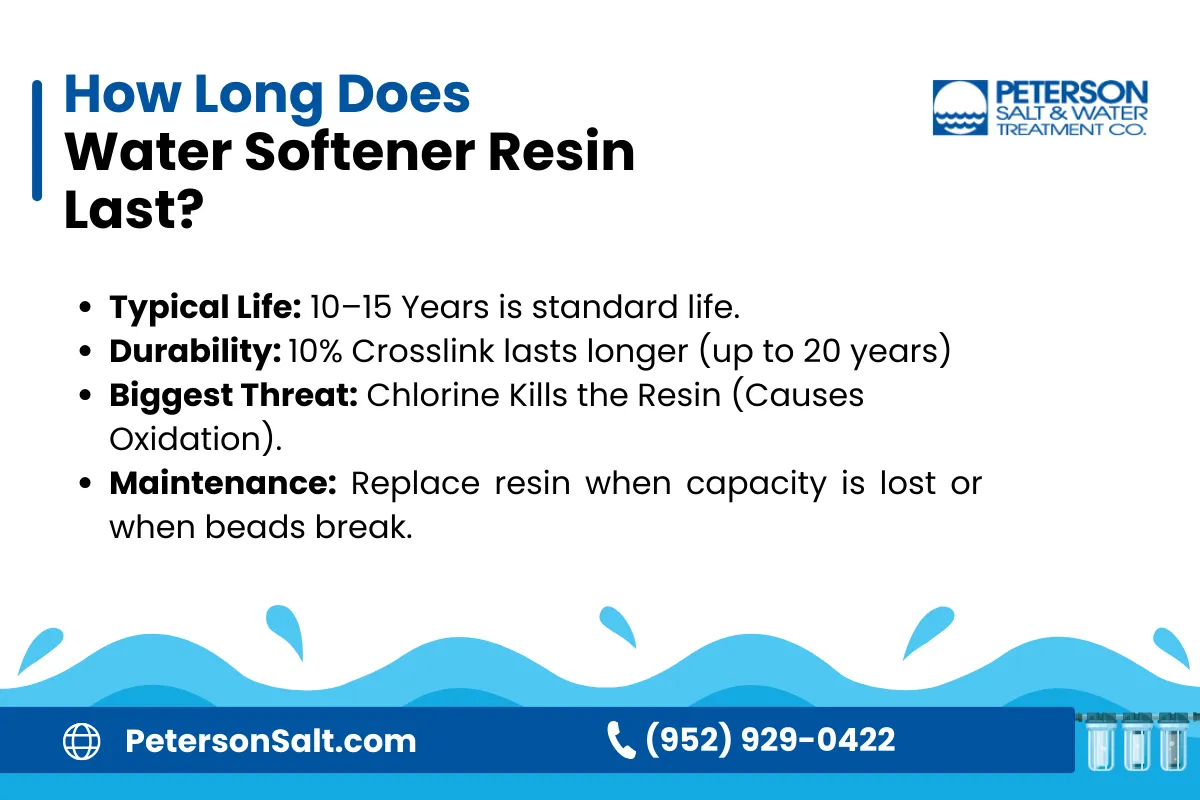
Let’s cut to the chase: good-quality resin typically lasts between 10 and 15 years. Yes, you read that right—over a decade of fighting the good fight against calcium and magnesium. That’s longer than most houseplants live in my care, and I’m not even joking.
What is Resin, Anyway? (The Quick, Painless Explanation)
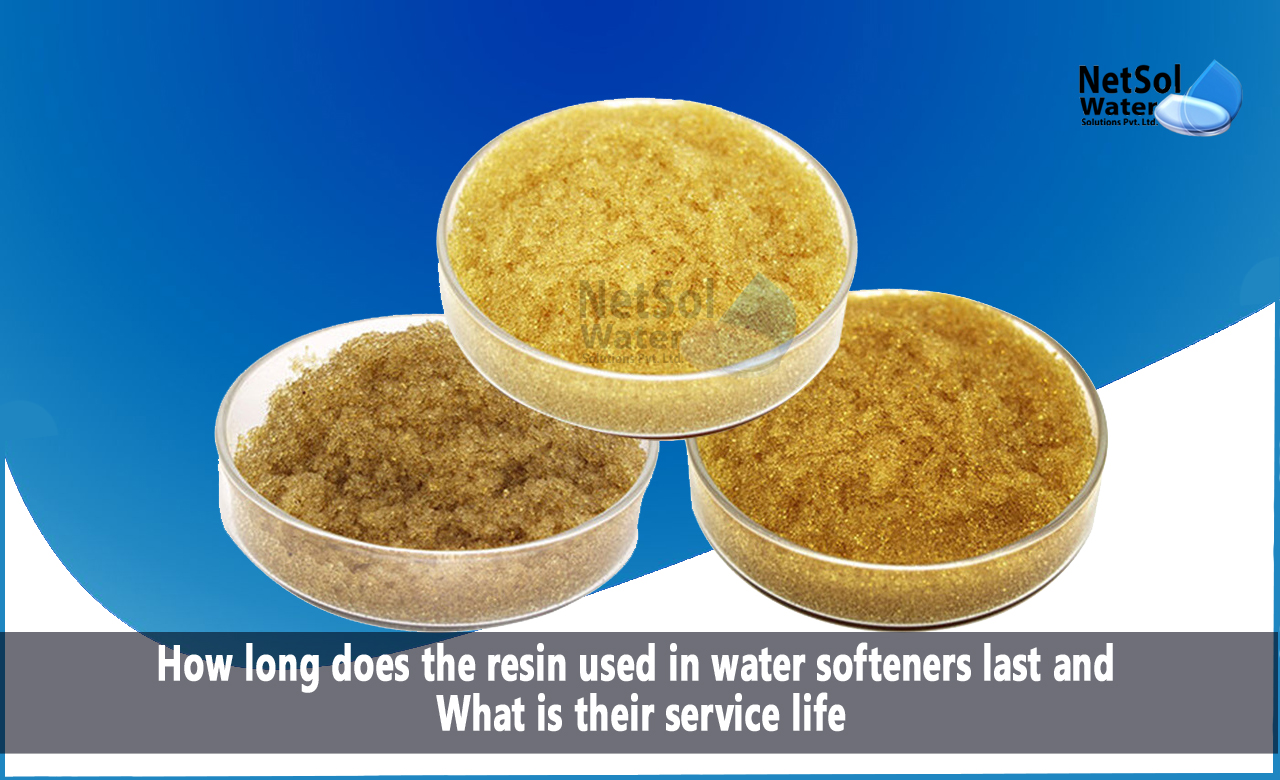
Think of resin as tiny, sponge-like beads that are obsessed with hardness minerals. They grab onto calcium and magnesium like a toddler grabbing a cookie—with pure, relentless enthusiasm. These beads are made of polystyrene (yes, the same stuff in disposable cups, but way cooler).
Must Read
During the softening process, the resin swaps sodium ions for those hard-water nasties. It’s like a microscopic game of musical chairs, but with minerals instead of chairs. And the resin always wins.
So, What Affects How Long It Lasts?
Not all resin is created equal, and its lifespan depends on a few key factors. First up: water quality. If your water is super hard or loaded with iron, the resin works harder and can wear out faster. Think of it as a marathon runner vs. a sprinter—both are great, but one gets tired sooner.
Second: your maintenance habits. If you regularly clean your resin with resin cleaner (yes, that’s a real product), you can extend its life considerably. On the flip side, if you neglect it like a gym membership, it’ll start to fail around the 8-year mark. Oops.
And third: the quality of the resin itself. Cheap resin from a discount online store might only last 5–7 years. Premium resin from a reputable brand? That stuff can push 15–18 years. It’s like the difference between a budget mattress and a memory-foam dream—you really do get what you pay for.
 How Long Does A Water Softener Usually Last at Amber Polk blog
How to Tell If Your Resin Is Dying (A Sad but Necessary Subject)
Your water softener will throw some serious tantrums when the resin starts to fail. The biggest sign: hard water spots return like an ex who just can’t take a hint. You’ll also notice your soap not lathering well, and your dishes might feel a little… gritty. Not the spa-like feeling you signed up for.
Another dead giveaway: the softener runs its regeneration cycle more often but still doesn’t deliver soft water. It’s like a treadmill that runs all day but never burns any calories—frustrating and pointless. At that point, you might need to replace the resin beads or the entire tank.
Quick pro tip: If you see a “gurgling” sound during regeneration, that’s often a sign of channeling (water finding paths through worn resin). It’s not a ghost—it’s just your softener crying for help. Poor little guy.
Can You Replace Just the Resin?
Yes, you absolutely can! Replacing the resin is cheaper than buying a whole new softener—usually costing around $100–$200 for resin plus labor. It’s like giving your machine a heart transplant without replacing the whole body. Pretty cool, right?
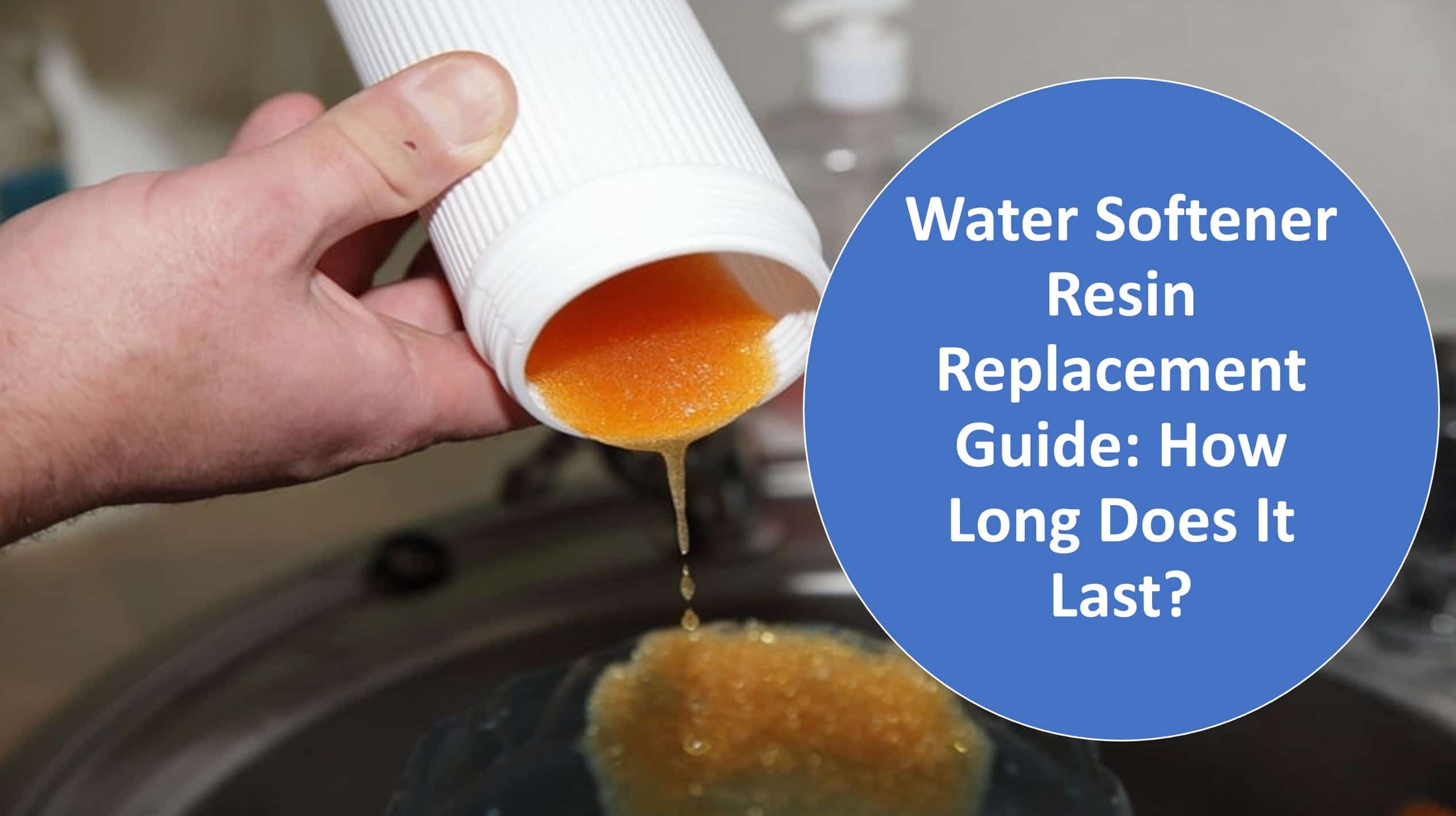
But here’s the catch: replacing resin is a messy, time-consuming job. You’ll need to drain the tank, remove the old beads, and carefully add new ones—all while avoiding the urge to cry when a bead flies across the room. If you’re not handy, call a pro. Your sanity is worth the $150 service fee.
 Water Softener Resin Replacement (Step-by-Step)
What About Iron or Chlorine? (The Sneaky Villains)
Iron is public enemy number one for resin. High levels of iron (over 2 ppm) can foul the beads and turn them into rusty little fossils. If you have iron in your water, use a resin cleaner every 3–6 months. Trust me, your resin will thank you with long, happy years of service.
Chlorine from city water is another hidden threat. It slowly degrades the resin, like sun damage to a vampire’s skin. If your water has high chlorine, install a carbon filter before the softener. It’s a small investment that can add years to your resin’s lifespan—and your hair’s health.
The Final Verdict (Drumroll, Please)
So, to answer your burning question: resin lasts 10 to 15 years on average, but with good water quality and TLC, you might squeeze out 18. And if you’re the type who forgets to change the filter (no judgment, me too), it might conk out at 7. That’s life—sometimes your resin just gives up like a reality show contestant in week 4.
Here’s the uplifting part: even when the resin wears out, it’s not the end of the world. It’s just a gentle reminder that everything needs a little refresh now and then—including your softener, your garden, and that sourdough starter you swore you’d revive. Replace the resin, or get a new system, and you’ll be back to enjoying silky water and spotless glasses before you can say “hard water spots.”
Your water softener isn’t failing—it’s just evolving into a slightly less effective version of itself. And that’s okay. Life is about second chances, whether it’s for relationships, houseplants, or tiny resin beads. So give your softener a pat (a gentle one, don’t break it), and know that as long as you keep up with basic care, you’ll enjoy soft, glorious water for years to come. Now go pour yourself a glass of that silky, soft water—you’ve earned it.
