Does Reverse Osmosis Remove Bacteria And Viruses

Picture this: you’re scrolling through Instagram, sipping a glass of tap water, when a wellness influencer casually drops the term “reverse osmosis.” Suddenly, you’re question...
Picture this: you’re scrolling through Instagram, sipping a glass of tap water, when a wellness influencer casually drops the term “reverse osmosis.” Suddenly, you’re questioning everything. Does your water actually have invisible hitchhikers—bacteria, viruses, the whole microscopic crew? Let’s get into it, no lab coat required.
What Reverse Osmosis Actually Does (No Science Degree Needed)
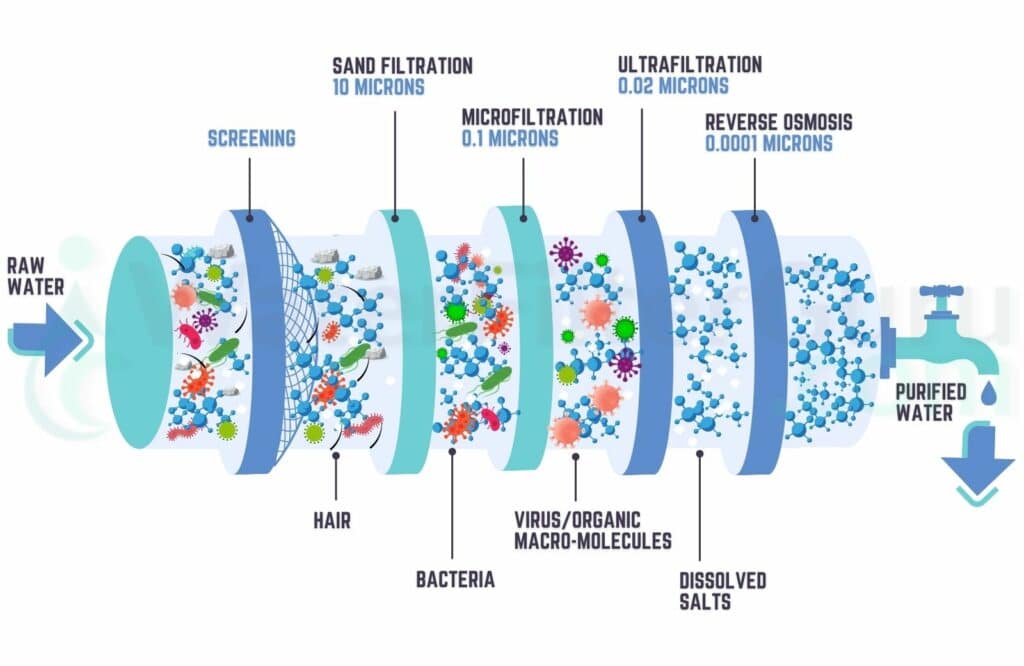
Think of reverse osmosis, or RO, as a very picky bouncer at an exclusive club. It forces water through a semipermeable membrane with pores so tiny—just 0.0001 microns—that most contaminants can’t squeeze through. To put that in perspective, a human hair is about 70 microns wide; we’re talking insect-scale precision.
The process works by applying pressure to push water molecules past that membrane, leaving nasties like lead, chlorine, and, yes, bacteria and viruses behind. It’s the same tech NASA uses to recycle astronaut urine on the International Space Station. Fun fact: Astronauts have been drinking recycled pee for decades, and they’re thriving.
Must Read
Bacteria vs. Viruses: The RO Showdown
Bacteria are relatively big—typically 0.5 to 5 microns—so an RO membrane laughs in their general direction. Most bacteria, like E. coli or salmonella, get blocked with ease. But viruses? They’re the sneaky toddlers of the micro-world, often as tiny as 0.004 microns, which is smaller than the membrane’s pores.
Here’s where it gets interesting: while RO membranes aren’t perfectly sized for every virus, they still remove over 99% of them thanks to a thing called size exclusion plus electrostatic repulsion. Viruses are like party crashers who try to wiggle through a cracked door, but RO’s internal system just doesn’t let them. Add a UV filter or carbon post-filter, and you’re basically running a molecular fortress.
Real-World Truth: It’s Not Perfect, But It’s Close
No system is 100% foolproof—unless you’re living in a sci-fi novel. Studies show RO can remove 99.7% to 99.9% of bacteria and viruses, which is better than your average Brita by a galactic margin. For perspective, boiling water kills most pathogens, but RO does it without turning your kitchen into a steam room.
Case in point: during a 2023 boil-water advisory in Austin, Texas, RO systems were the unsung heroes for many households. One friend with an under-sink unit texted me: “I’m basically a water wizard.” He wasn’t wrong. Practical tip: Always check if your RO system has a post-carbon filter; that’s where the magic happens to zap any lingering taste or traces.
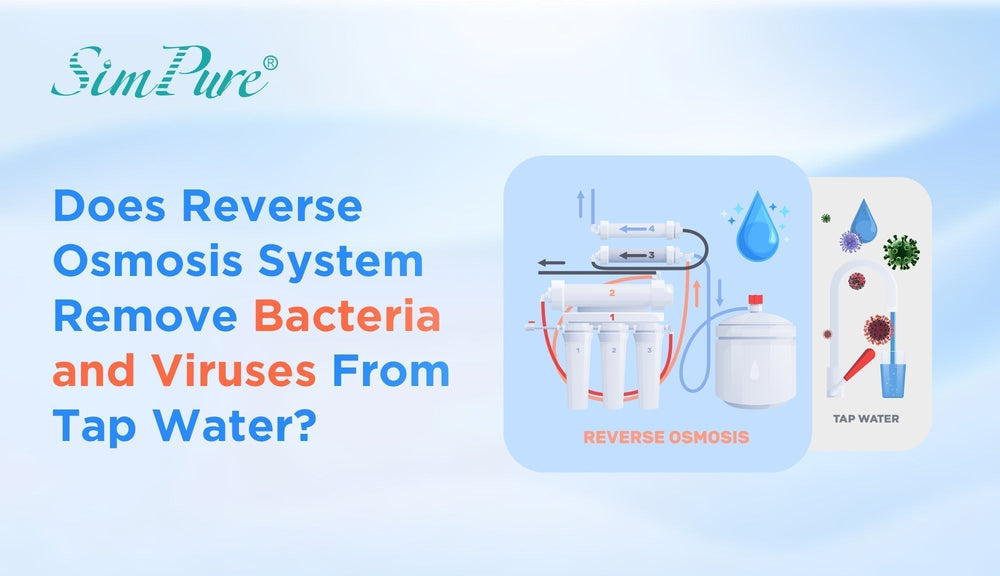 Does Reverse Osmosis System Remove Bacteria and Viruses From Tap Water?
When You Should Still Boil (Just in Case)
If you’re camping in the woods and your RO system is a portable straw filter, it’s still a solid bet—but don’t forget that viruses like norovirus can sometimes survive if the membrane is damaged. Think of it like bringing a raincoat to a hurricane; it helps, but you might want a backup.
For home use, the risk is minimal. Most city water is already treated, so RO is really about polishing. But if you’re on well water or traveling to a country with murky tap, pair RO with UV purification or boiling for absolute peace of mind. It’s like wearing both a belt and suspenders—a little extra, but stylishly safe.
Cultural Vibes: RO in the Wild
Japan has been using RO for their legendary vending machines since the 1990s, and they don’t mess around with hygiene. Meanwhile, in Silicon Valley, startups push “smart RO” systems that text you when the filter is dirty. It’s 2024, and your water filter has more ambition than your ex.
Even the Instagram wellness crowd has noticed. You’ve probably seen those sleek, zero-waste RO pitchers on aesthetic kitchen counters—the ones that look like a minimalist sculpture. They’re not just for looks; they’re quietly removing bacteria while you scroll. Pro tip: If you buy one, change the filters on schedule, or it’s like running a spa with dirty towels.
 Does Reverse Osmosis Remove Bacteria & Viruses? (Research Says This)
Does It Remove the Good Stuff?
Here’s the trade-off: RO strips out everything, including beneficial minerals like calcium and magnesium. That’s why many systems add a remineralization cartridge—to put the good stuff back in. You don’t want water so pure it’s existential.
Fun fact: drinking ultra-pure RO water long-term might actually leach minerals from your body, but that’s only a concern if your diet is all kale chips and vibes. Most people get plenty of minerals from food. Balance is key—treat RO like a detox, not a permanent diet.
Final Sips: A Reflection for Daily Life
We spend so much energy worrying about what’s in our water—lead, microplastics, invisible bugs—that we forget water’s basic job: to hydrate and refresh. Reverse osmosis gives you control, a modern shield against the microscopic unknown. But it’s not about paranoia; it’s about peace of mind, one glass at a time.
The best part? You don’t have to think about bacteria or viruses while you’re drinking. You can just enjoy the cool, clean taste—and maybe pretend you’re an astronaut sipping space-age perfection. Because in a chaotic world, knowing your water is safe is a small, beautiful luxury. So go ahead, pour a glass. You’ve earned it.
