What Does Reverse Osmosis Remove From The Water

You’ve seen the sleek faucet, the under-sink tank, the water cooler at your friend’s minimalist loft. Reverse osmosis (RO) is the quiet overachiever of the water world. But be...
You’ve seen the sleek faucet, the under-sink tank, the water cooler at your friend’s minimalist loft. Reverse osmosis (RO) is the quiet overachiever of the water world. But beyond the hype, what does it actually scrub from your glass?
Spoiler alert: a lot. We’re about to dive into the science, the surprises, and the slightly obsessive world of ultra-pure H₂O.
The Big Baddies: Contaminants That Don’t Stand a Chance
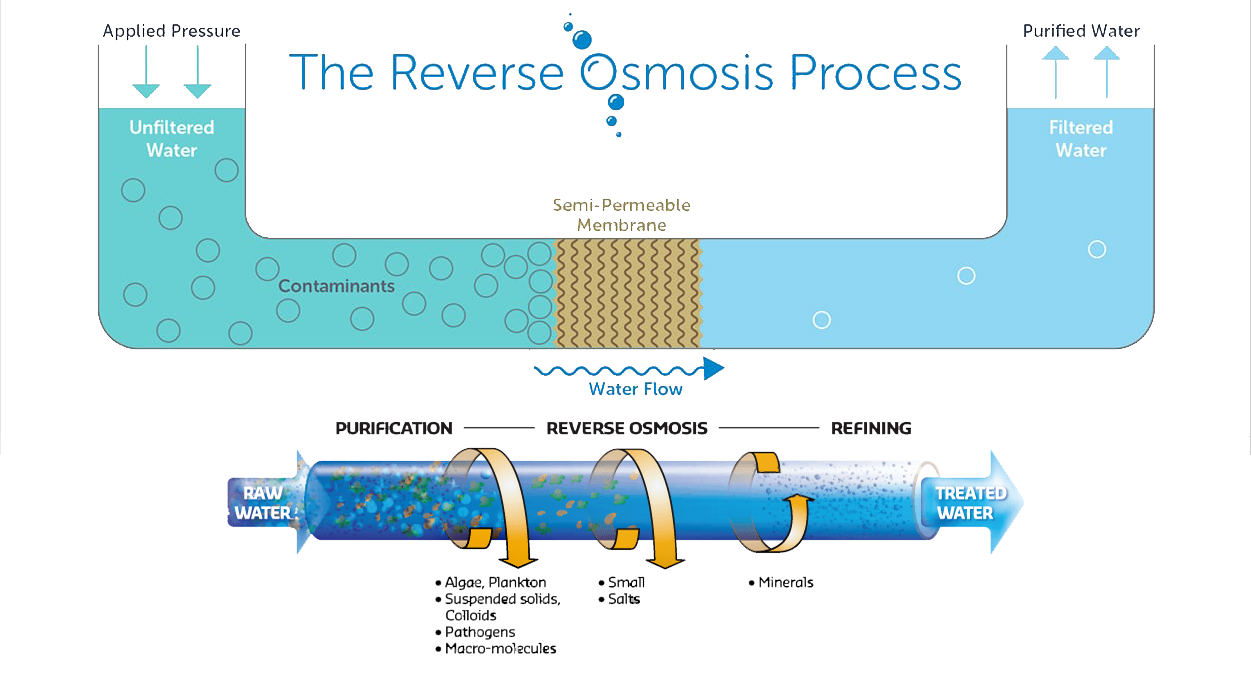
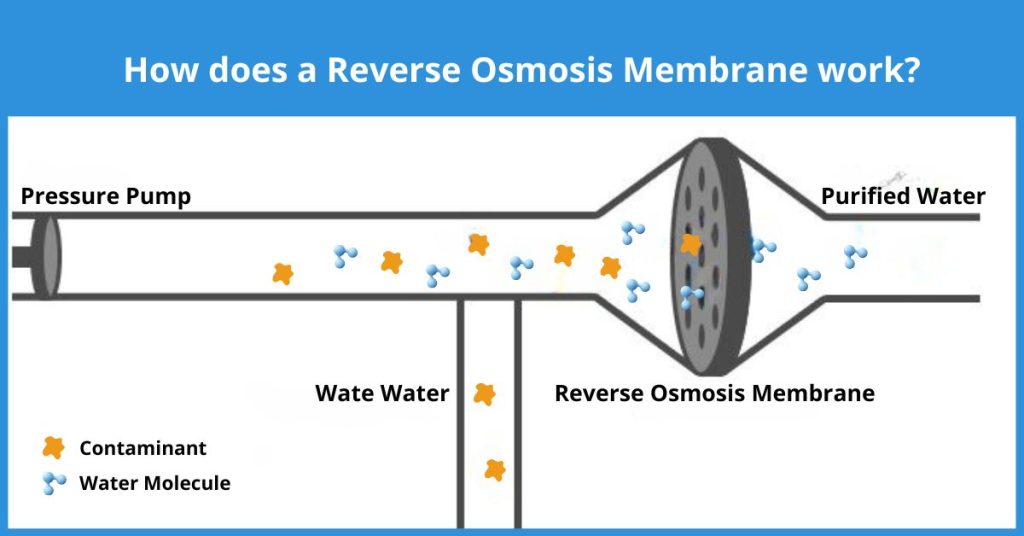
Think of RO as a very picky bouncer at an exclusive club. It uses a semi-permeable membrane—think of plastic wrap with microscopic pores—to block virtually everything except water molecules. That means heavy metals like lead, mercury, and arsenic are instantly turned away at the door.
Must Read
One fun fact: RO systems can remove up to 99% of dissolved solids. That’s the stuff that makes your tap water taste like a swimming pool or a metal pipe.
In 2019, a study in Water Research found that RO is particularly effective at removing lead, which can leach from old plumbing. If you live in a pre-1980s home, this is your water’s superhero cape.
Chemicals and Pharmaceuticals: The Invisible Invaders
You might not smell it, but your tap water can carry trace amounts of chlorine, pesticides, and even prescription drugs. Yes, really—that’s what happens when we flush things down the sink.
RO systems are brutally efficient at stripping out chlorine byproducts (like trihalomethanes) and volatile organic compounds (VOCs). They can even reduce fluoride levels, which is a hot debate among wellness circles.
A 2022 test by the Environmental Working Group showed that RO removed 98% of PFAS—the “forever chemicals” found in nonstick pans and rain jackets. Suddenly, that glass of water feels like a tiny rebellion against industrial waste.
The Good, The Bad, and The Missing Minerals
Here’s where it gets interesting. RO doesn’t just remove the bad stuff; it also removes the good stuff. Calcium, magnesium, and potassium—the minerals your body craves—are filtered out too.
 What Is Reverse Osmosis Water? | Living Whole
This is why some people complain RO water tastes flat or “dead.” It’s literally too pure. A 2021 study in the Journal of Water and Health noted that drinking deionized water long-term can leach minerals from your own body if you’re not supplementing.
Sneaky workaround: Many modern RO systems include a remineralization filter that adds back a pinch of minerals post-filtration. Look for that feature if you’re shopping for a unit.
Microplastics and Bacteria: Tiny Threats, Big Solution
You’ve heard the news: microplastics are everywhere—in the ocean, in your shellfish, and yes, in your tap water. RO membranes are your microscopic shield. They block particles larger than 0.0001 microns, which includes bacteria, viruses, and even the tiniest plastic fibers.
A 2023 report by Orb Media found that 83% of tap water samples from around the world contained microplastics. RO systems can reduce that number to near zero. Think of it as a digital detox for your tap.
But caveat emptor: RO doesn’t remove all viruses (like hepatitis A) unless paired with UV light. For paranoid travelers or off-grid dwellers, a combo RO+UV system is the gold standard.
Practical Tips: How To Make RO Work For You
First, test your water before you buy. A cheap test kit from a home improvement store will tell you exactly what’s in your local supply. Don’t assume you need RO if your water is already clean—it’s a luxury, not a necessity.
 What does reverse osmosis remove from tap water? The Facts
Second, maintain your system. The membrane needs to be changed every 2–3 years, and the pre-filters every 6–12 months. A neglected RO unit becomes a breeding ground for bacteria—ironic, right?
Third, use the reject water. RO systems waste 3–4 gallons of water for every gallon they produce. Collect that “waste” water for your plants or garden—they’ll love the extra minerals you just removed.
A Fun Little Cultural Throwback
Remember the 1990s film Dark Water? Or that scene in Erin Brockovich where the town’s water is poisoned? RO isn’t just a gadget; it’s a modern-day insurance policy against the plotlines of our nightmares. In Japan, high-end tea ceremonies use RO water to ensure no chlorine masks the subtle notes of matcha. Talk about dedication.
And in Silicon Valley, it’s not uncommon to see RO water served alongside espresso. The logic: “Why would you want your coffee held back by bad water?”—a quote I once heard from a barista who looked like he moonlighted as a tech founder.
The Short Reflection: What This Means for Your Daily Glass
When you pour a glass of RO water, you’re tasting the absence of nearly everything—contaminants, minerals, even memory. It’s a blank slate. Purity is a privilege, but it comes with a responsibility to stay informed.
Maybe you don’t need to go full RO. Maybe a simple carbon filter is enough. But if you do install one, let it be a quiet ritual—a reminder that the clearest water often comes from the hardest work. And the next time you take a sip, think of the invisible bouncer at the door, tirelessly keeping out the riffraff.
Cheers to the cleanest club in town.
