Where Does The Water In Bottled Water Come From

Grab a bottle of water. Look at the label. It probably boasts a picture of a snowy mountain or a pristine glacier. But here’s the kicker: that water likely came from a municip...
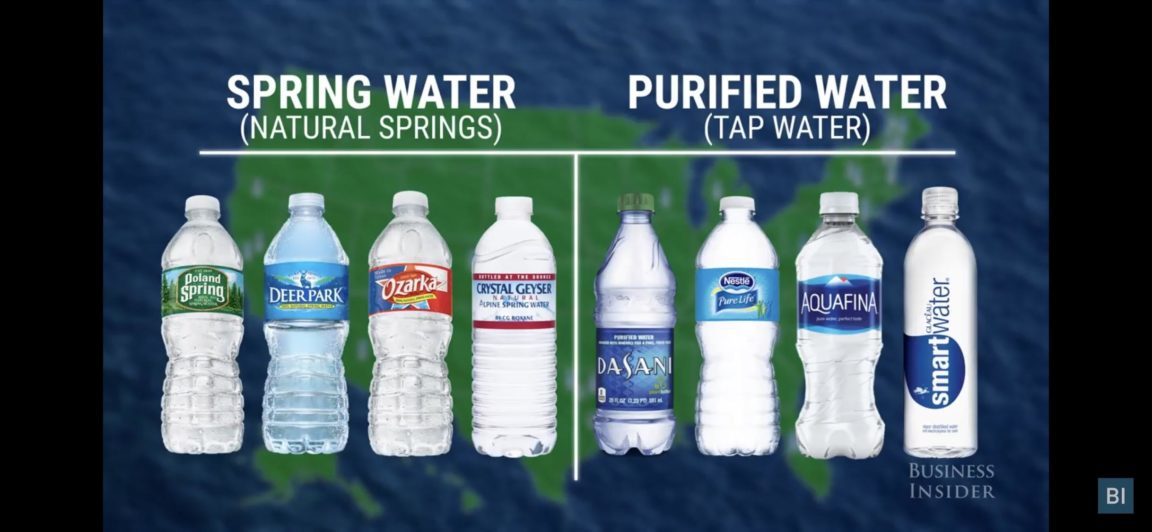
Grab a bottle of water. Look at the label. It probably boasts a picture of a snowy mountain or a pristine glacier. But here’s the kicker: that water likely came from a municipal tap in a suburb of Cleveland.
Yes, you read that right. About 50% of bottled water is just glorified tap water. The other half comes from springs, wells, or aquifers. But none of it is mystical “cloud juice.” It’s all old—very, very old water that’s been hanging out underground.
The Great Water Heist: Where They Actually Dig It Up
Imagine drilling a straw into the earth. That’s exactly what companies like Nestlé or Coca-Cola do. They tap into aquifers—natural underground reservoirs. These are like giant, dark, silent swimming pools trapped in rock.
Must Read
Some of this water is ancient. I’m talking last-of-the-dinosaurs ancient. A single drop might have fallen as rain during the Ice Age. So when you drink that $5 bottle at the airport, you’re gulping down a prehistoric rainstorm.
But here’s the weird part: companies often fight local towns for the rights to this water. A few years ago, a Michigan town tried to stop Nestlé from sucking up 400 gallons per minute from a local well. Nestlé said “Hey, that’s our water.” The town said, “No, it’s ours.” It’s like a custody battle over a puddle.
Tap Water vs. Bottled Water: The Plot Thickens
Let’s talk about the biggest scam since the pet rock. Aquafina and Dasani? They’re literally filtered tap water. That’s it. They take municipal water, run it through a fancy filter, add minerals for taste, and charge you 2,000 times more than what comes out of your sink.
One study found that 24% of bottled water is just tap water in disguise. Some brands even admit it on the label—but in tiny font. You need a magnifying glass. It’s like a magician showing you the trick, but hoping you’re not paying attention.
And here’s a fun fact: some bottles labeled “spring water” actually come from man-made springs. A pipe is literally hammered into the ground, and water is pumped out. It’s not a magical natural fountain. It’s a hole with a brand name.
 Where Does Bottled Water Come From? | Culligan Quench
The Global Water Highway: Bottles Travel Farther Than You
Water from Fiji doesn’t travel to your store by magic carpet. It gets shipped in oil-guzzling container ships from the South Pacific. That trip creates 1,000 times more carbon emissions than drinking tap water. So you’re basically sipping a tiny carbon bomb.
Meanwhile, Icelandic water comes from… you guessed it, Iceland. There’s a brand called Icelandic Glacial that draws water from the Olfus Spring. It’s so pure they claim it’s “the most responsible water on Earth.” But getting it to your fridge involves burning jet fuel. Irony alert.
The craziest part? Some water is bottled in the same state it’s sold. Look at the label: “Bottled in Colorado.” It’s trucked 200 miles to a local store. Meanwhile, your tap water traveled zero miles. It’s already in your kitchen. You own the original artisanal water.
What About Those “Natural” Springs?
Ever see a commercial with a deer drinking from a crystal-clear stream? That’s marketing fiction. Real springs look like muddy puddles. The water is dark brown from decaying leaves. Companies pump it out, filter it, and add blue lighting for the photo shoot.
Here’s a secret: the FDA doesn’t require a spring to look pretty. It just has to flow naturally to the surface. So one of your favorite spring waters could be bubbling up from a cow pasture. No joke. The cows don’t get a royalty check.
And some “glacial” water? It’s not from glaciers. It’s from meltwater that fell as snow last year. But “Last Year’s Snow” doesn’t sound as fancy as “Glacial Essence.” So they slap a mountain on the label.
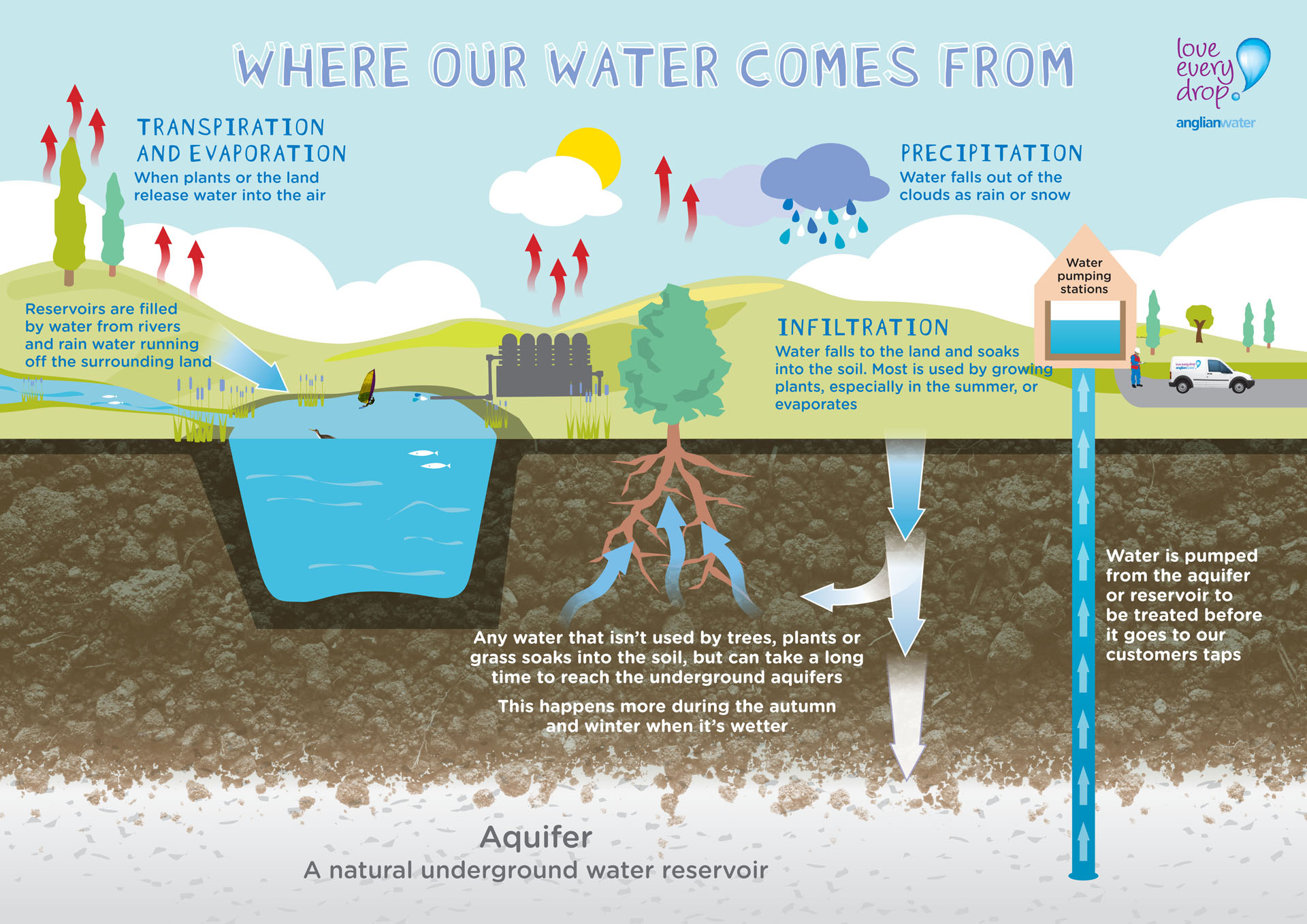 Where Our Water Comes From , Where Does Our Drinking Water Come From
Your Tap Water Is More Regulated Than Bottled Water
This will blow your mind. The EPA regulates tap water. They test it constantly for lead, bacteria, and chemical spills. The FDA regulates bottled water—but only if it crosses state lines. And they barely test it.
In fact, bottled water companies can test their own water. It’s like letting the fox grade the chicken coop. Some brands have been caught containing microplastics, arsenic, and even mold. One study found that 93% of bottled water samples contained plastic particles. That’s plastic in your “pure” spring water.
So next time someone says “I only drink bottled water,” you can smirk. You know the truth. Your tap water is probably cleaner, cheaper, and hasn’t been hanging out in a hot truck for three weeks.
Why It’s Still Fun to Talk About
Because it’s a glorious mystery. You hold a bottle that might contain ancient rain from Norway, or just Los Angeles tap juice from Tuesday. The label doesn’t tell you. It whispers “natural” and “pure” like a romantic lie.
You can become a water detective. Read the fine print. Look for the words “municipal” or “public water source.” Or just ask the company. They legally have to tell you if you ask. But most people don’t. They just trust the mountain picture.
So here’s my challenge: next time you buy a bottle, imagine where it actually came from. A pipe in a parking lot? A cow field in Vermont? An ancient glacier in Greenland? The answer is funnier than the label lets on. Drink up, detective.
