How Long Does Water Have To Boil To Be Purified

Alright, let’s talk about boiling water. Not the most thrilling topic, I know, but stick with me—it’s literally a life-saver. Picture this: you’re out camping, your fancy filt...

Alright, let’s talk about boiling water. Not the most thrilling topic, I know, but stick with me—it’s literally a life-saver. Picture this: you’re out camping, your fancy filter breaks, and you’re staring at a murky creek. Panic? Nah, you’ve got a pot and a fire. So, how long does water have to boil to be purified?
The short answer: one minute at a rolling boil is enough for most places on Earth. That’s it—just sixty seconds of bubble-mania, and your water is safe to drink. But wait, there’s a catch (isn’t there always?). If you’re camped above 6,500 feet (about 2,000 meters), you need to boil it for three minutes instead.
Why the altitude weirdness? At higher elevations, water boils at a lower temperature—like 194°F instead of 212°F. That means it takes a bit longer for the heat to kill those nasty little germs. So, think of it as mountain math: one minute at sea level, three minutes when your ears pop.
Must Read
But Does Boiling Really “Purify” Water?
Here’s where we get real. Boiling does a bang-up job on microorganisms—bacteria, viruses, and protozoa like Giardia and Cryptosporidium. It zaps them dead, no survivors. But don’t let the word “purify” fool you: boiling won’t remove chemicals, heavy metals, or dirt.
So, if your water looks like yesterdays coffee, boiling it will just make hot, sterile brown water. You’d still need a filter or sediment settling for that. Think of boiling as the superhero who beats up germs, but has no powers against lead or pesticides—teamwork makes the dream work.
Also, boiling does not remove salt. Sorry, castaway fantasies—turning ocean water into drinking water requires distillation, not a tea kettle. So, if you’re stranded at sea, maybe befriend a seagull instead.
The One-Minute Rule: Myth or Magic?
You’ve probably heard people say, “Boil it for ten minutes to be safe!” That’s overkill, my friend—like bringing a flamethrower to light a candle. The World Health Organization says a rolling boil for one minute is enough to kill everything harmful at normal altitudes. Even the CDC agrees, and those folks are pretty serious about germs.
Why not longer? Because at boiling point (212°F at sea level), the water is hot enough to destroy pathogens within seconds. The extra minute is just a safety net for your shaky camp stove or altitude confusion.
So, no need to boil until your pot grows a beard. One minute, tops. Unless you’re at 10,000 feet—then three. Easy peasy, germ-free squeezy.
 4 Ways to Boil Water - wikiHow
What About Cloudy Water? Should I Boil It Differently?
If your water looks like pea soup, don’t just boil it—strain it first. Use a cloth, coffee filter, or your trusty sock (clean one, please) to get the big gunk out. Then boil that clarified water for one minute. Why does this matter?
Because dirt and sediment can shields germs from the heat. It’s like wrapping a virus in a tiny blanket—harder to toast. Straining first makes sure every microbe gets a hot bath. Also, nobody wants to drink mud, even if it’s sterile mud.
So, channel your inner janitor: filter first, boil second, toast third. (Okay, maybe not toast, but you get the idea.)
Can I Boil Water in a Microwave?
Technically, yes, but it’s trickier than a magic trick. Microwaves heat unevenly, so you could have boiling pockets that don’t actually sterilize everything. To be safe, stir the water well after heating, then let it sit for one minute after it reaches a boil.
Better yet, use a stove or campfire. A microwave is great for popcorn, less great for life-saving water logistics. Plus, if you superheat water in a microwave, it can explode when you touch it—imagine the drama. Stick with a kettle; your eyebrows will thank you.
Pro tip: Never microwave water in a closed container. That’s how you make a kitchen grenade. I’m not joking. Please don’t.
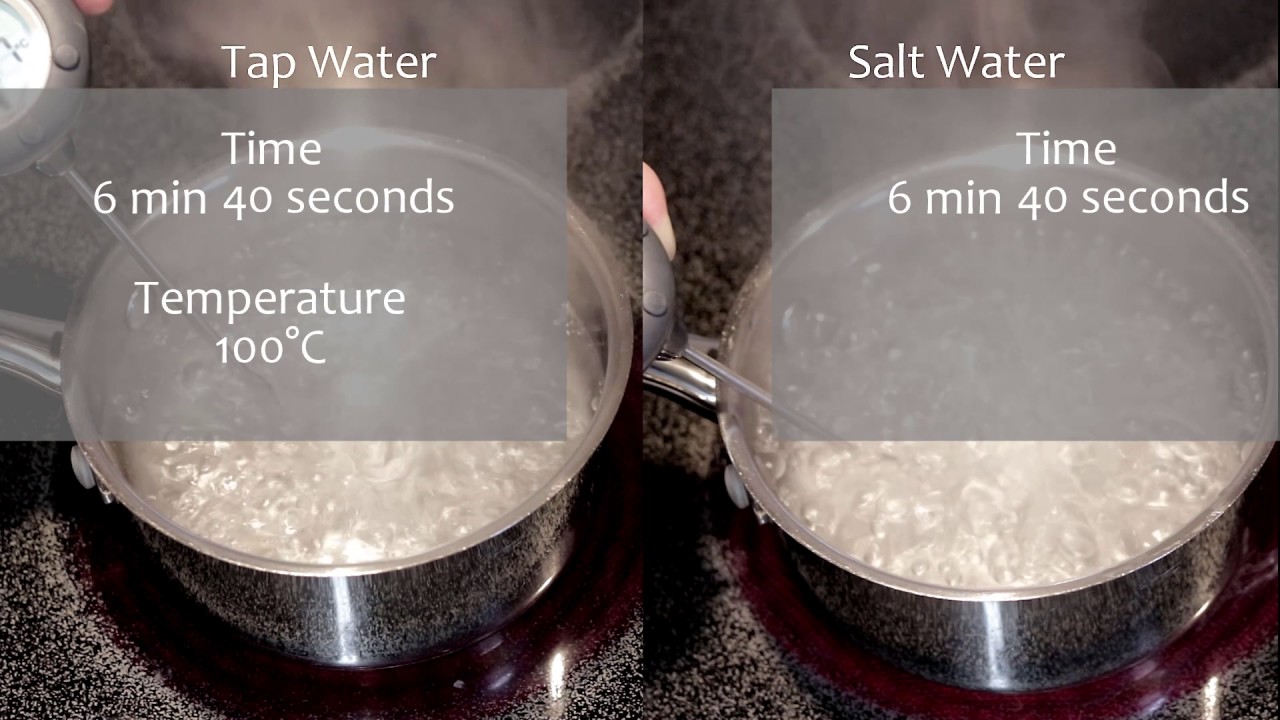 Distilled Water Boiling Faster at Thomas Gabaldon blog
Does Boiling Change the Taste? And How to Fix It?
Yes, boiled water can taste flat and sad. That’s because boiling removes dissolved oxygen—the bubbles that give water its zing. It’s like the water went on a boring diet. But you can fix it in seconds!
Pour the boiled water from one cup to another a few times. Or let it sit in a pitcher with a fresh sprig of mint. The splashing re-oxygenates it, bringing back that crisp, mountain-stream vibe. If you’re fancy, throw in a slice of lemon.
Don’t let flat water ruin your camping vibe. A little aeriation, and you’re sipping like a royalty—if royalty drank from a Nalgene bottle.
The Final Verdict
So, here’s your cheat sheet: Boil one minute at low altitude, three minutes up high. Strain muddy water first. Don’t worry about chemicals—boiling won’t fix those anyway. And if you’re in a pinch, even a one-minute boil beats gambling with giardia every time.
Now, go forth and boil with confidence. You’ve got this. Whether you’re on a mountain, in a survival bunker, or just really suspicious of your tap, a rolling boil is your BFF. And remember: boiling water is like a really good hug for your insides. It warms you up, kills the bad stuff, and leaves you feeling safe.
So, boil on, friend. You’re one kettle away from pure hydration—and maybe a little steam facial, too. Stay hydrated, stay happy, and always save a minute for the bubble dance. Cheers! 🫖
