What Does A Reverse Osmosis Water Filter Remove

So, you’re thinking about a reverse osmosis water filter. Or maybe you just saw one under a friend’s sink and thought, “What in the high-tech wizardry is that thing?” I get it...

So, you’re thinking about a reverse osmosis water filter. Or maybe you just saw one under a friend’s sink and thought, “What in the high-tech wizardry is that thing?” I get it. It looks like a science experiment gone mild. But here’s the real question: what does it actually remove? Grab your coffee (filtered or not, I don’t judge), and let’s chat.
First, the basics. Reverse osmosis—let’s call it RO for short—isn’t magic, though it kind of feels like it. It shoves water through a super-fancy membrane. This membrane has pores so tiny, they make a coffee filter look like a colander. We’re talking microscopic level tiny.
The Big Stuff It Kicks Out
RO removes heavy metals. Lead, copper, mercury—yeah, all that scary-sounding stuff from old pipes. If your tap water tastes like a rusty penny, RO is your new best friend. It also zaps arsenic. Yes, the poison from murder mysteries. Don’t worry, it’s usually in trace amounts, but still—yikes.
Must Read
Then there’s fluoride. Now, I know, some people love it for teeth. Others think it’s a conspiracy. RO doesn’t care about your opinion; it removes about 85-95% of it. Same for chlorine. That swimming pool flavor in your tap? Gone. RO says, “Not today, chemical aftertaste.”
Salts, Minerals, and the Drama
Here’s where it gets interesting. RO removes sodium and calcium. Yes, the stuff in hard water that ruins your kettle. It also kicks out nitrates from fertilizer runoff. If you live near farmland, you might be drinking diluted salad dressing. RO fixes that.
But wait—does RO remove good minerals? Yep. It’s an equal-opportunity filter. It doesn’t care if something is “healthy” or “bad.” It just says, “All dissolved solids, out you go.” That’s why some people add mineral drops back in. Fancy, right?
What About Germs and Bugs?
RO removes bacteria. Like, e. coli and salmonella. The membrane pores are smaller than the bugs themselves. So they get trapped. Same for viruses and parasites. Think of it as a bouncer at a club—no microscopic freeloaders allowed.
 Do Reverse Osmosis Filters Remove Chlorine at Michiko Durbin blog
But here’s the catch: RO isn't perfect for volatile organic compounds (VOCs). Those are things like pesticides or industrial chemicals that are tiny and love to dissolve. Most RO systems add a carbon filter beforehand to catch those. So, it’s a team effort.
The Stuff It Leaves Alone
Dissolved gases like oxygen and carbon dioxide? RO can’t remove them. They slip right through. That’s why RO water can taste a bit flat at first. It’s missing the fizz of life. Also, some small molecules like certain drugs or microplastics? Yeah, they can sneak past. Most modern systems have upgrades for that, though.
Oh, and water itself. Obviously. RO doesn’t remove the water. That would be awkward. (Though imagine the horror of a glass of nothing.)
So, Is It a Miracle Filter?
Not exactly. It removes about 90-99% of total dissolved solids. That’s a lot. But it’s slow. And it wastes water—like 3-4 gallons for every gallon of good stuff. That’s the trade-off. It’s a thirsty machine.
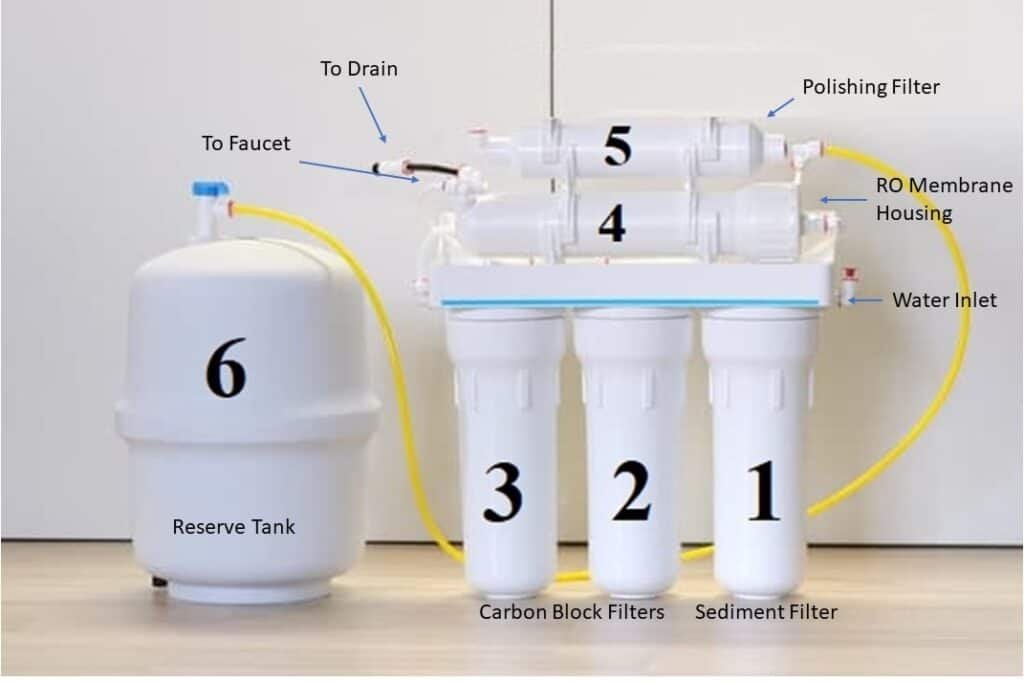 How Does a Reverse Osmosis Filter Work? - Better Water - Better Life
You also lose a tiny bit of pH balance. RO water is slightly acidic because it’s stripped of minerals. Some people worry about that. But your stomach acid is way stronger, so don’t panic. You’re not drinking battery acid.
Should You Care?
If your tap water tastes like a swimming pool or smells like a science lab? Yes, RO is a game-changer. If you’re on a well with heavy metals? Absolutely. But if your water is already clean and delicious? You might be overkill. It’s like using a flamethrower to toast bread.
Here’s my take: RO is fantastic for peace of mind. You know what’s gone? The stuff that scares you. You don’t have to wonder if your kid is drinking lead from old pipes. That’s worth the counter space, right?
The Last Sip
So, what does a reverse osmosis water filter remove? Almost everything that’s not H2O. Heavy metals, chemicals, germs, salt, and that weird taste. It leaves you with water so pure, it’s almost boring. But boring water is safe water. And that, my friend, is a pretty good deal.
Now go drink some. And maybe add a lemon slice. You deserve it.
