How Does Water Pollution Affect The Environment

Let’s be honest, most of us don’t think about water pollution while we’re brushing our teeth or making morning coffee. We turn on the tap, and clean water comes out—magic, rig...
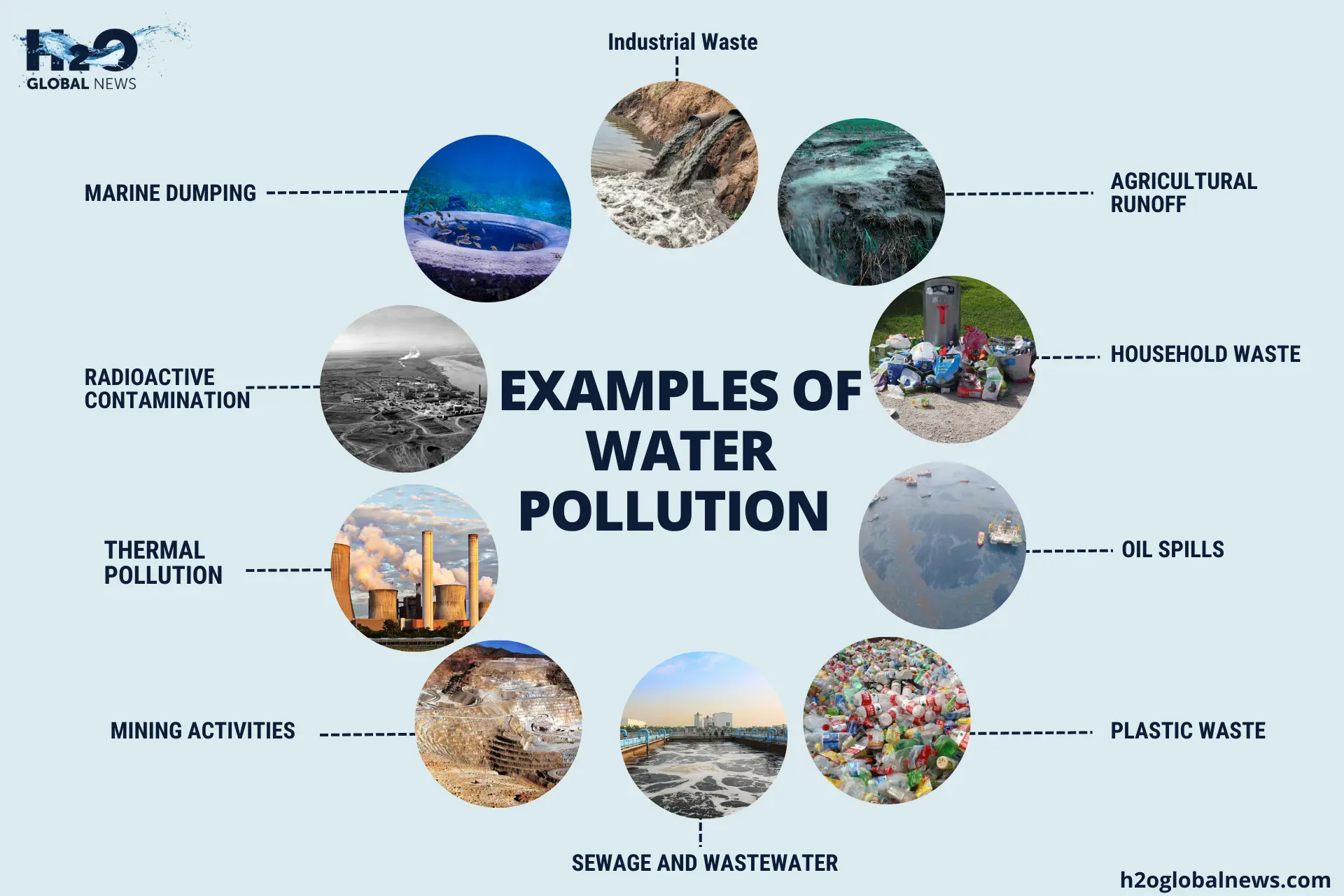
Let’s be honest, most of us don’t think about water pollution while we’re brushing our teeth or making morning coffee. We turn on the tap, and clean water comes out—magic, right? But what happens to that water after it goes down the drain is a whole other story.
Water pollution is basically when nasty stuff—chemicals, trash, and germs—gets into rivers, lakes, and oceans. It’s like your favorite soup getting a big dollop of ketchup dumped in it. Suddenly, nobody wants to eat it, and the soup itself starts acting weird.
So, how does this mess affect the environment? Let’s take a stroll through the puddles and find out.
Must Read
The Fish Are Not Okay (And Neither Are Their Homes)
Imagine you live in a beautiful apartment, and someone suddenly floods it with bleach and motor oil. That’s what pollution does to rivers and lakes for fish, frogs, and turtles. They breathe that water through their gills or skin, and it literally burns or poisons them.
I remember visiting a local creek as a kid, full of minnows and crawdads. Twenty years later, a pipe dumped runoff from a nearby parking lot into it. Now? It’s mostly green slime and the occasional, sad-looking catfish. That slime is called an algal bloom, and it sucks all the oxygen out of the water.
Without oxygen, everything underwater suffocates. It’s like putting a plastic bag over your head—just not a happy ending.
When the Water Gets Thirsty for Air
Here’s a weird science fact: clean water needs to breathe too. Oxygen from the air dissolves into rivers, which fish gulp through their gills. But when pollution—like fertilizer from lawns or farm fields—washes in, it feeds tiny algae like candy.
Those algae go on a party spree, but then they die and rot. And rotting stuff uses up all the leftover oxygen. Poof—no oxygen, no life. This is called a “dead zone,” and there are hundreds of them in oceans. It’s basically a underwater desert.
Birds, Otters, and Your Unwitting Help (The Food Chain Thing)
You might think, “Well, I’m not a fish, so I’m fine.” But nature is a giant, tangled web—think of it like a game of dominoes. When tiny water bugs or minnows get poisoned, bigger birds that eat them get poisoned too.
 Describe the impact of water pollution on aquatic life What are the
Remember that cute otter sliding down a muddy bank? He eats fish that ate polluted algae. The pollution builds up in his body, making him sick and less playful. Sea turtles famously mistake plastic bags for jellyfish and choke on them.
Everything is connected. That includes the spinach you eat for dinner. If polluted water irrigates a farm, the chemicals end up in your salad. It’s like a secret ingredient nobody asked for.
Your Weekend at the Beach Gets Ruined (Literally)
Let’s talk about the practical stuff. You know that gross, brown foam at the beach after a rainstorm? That’s often “stormwater runoff”—poop, oil, and trash from the streets, washed straight into the ocean. Swimming in that is like taking a bath in street sweepings.
It’s not just yucky—it’s dangerous. Bacteria from sewage can give you stomach bugs, ear infections, or nasty rashes. So that perfect beach day? You spend it hugging a toilet instead of a towel.
And don’t even get me started on the smell. A polluted pond or river smells like rotten eggs and old garbage. It’s the smell of a place that’s given up.
But Really, Why Should I Care?
Because clean water isn’t optional—it’s like oxygen or Wi-Fi: you only notice it when it’s gone. We drink it, cook with it, bathe in it, and grow our food with it. Polluted water means more expensive water bills and less safe drinking water for everyone.
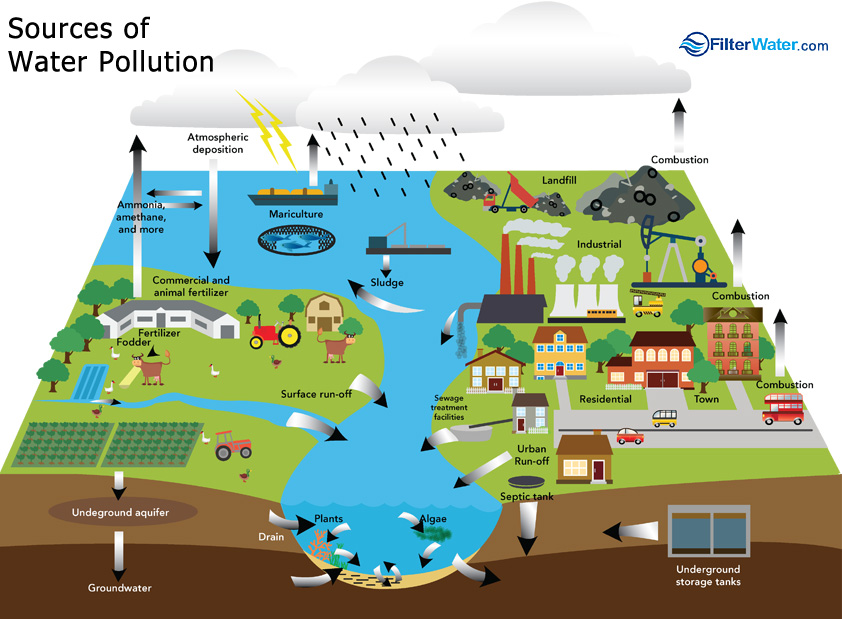 Water Pollution: Effects on health and sustainability | THRIVE Project
And let’s be real, nobody wants to live in a world where every stream looks like a milkshake of mud and chemicals. Kids should be able to splash in puddles without worrying about weird rashes.
Plus, it’s just fair. Animals didn’t ask for our trash and toxic leftovers. They’re just trying to live their best otter or fish life.
A Little Story from My Kitchen Sink
The other day, I was about to pour leftover paint thinner down the sink. Then I remembered—that stuff goes straight to a treatment plant… or worse, into a river. So I sealed it in a jar and took it to a hazardous waste drop-off. Felt like a superhero.
That’s the thing: you don’t have to save the whole ocean alone. Just don’t flush your old pills, pick up dog poop (yes, it’s water pollution too), and use less fertilizer on your lawn. Every bit helps.
The Happy Ending (We Can Still Fix This)
Here’s the good news: water is incredibly tough. If we stop polluting, rivers and lakes can recover. The Thames in London was declared dead in the 1950s. Now? Seals and salmon swim in it again. That’s a come-back story.
Even small actions add up. Skip the plastic water bottle, pick up trash near a creek, or join a local river cleanup. It’s like giving the planet a little spa day.
So next time you splash a puddle or watch a rainstorm, remember: that water is alive, and it’s counting on us. Let’s keep it clean enough for fish, for otters, and for that blissful glass of water you drink on a hot day. We’ve got this.
