How Much Water Does The Human Body Need Per Day

So, picture this: my friend Dave once tried to “hack” his hydration by chugging a gallon of water in an hour. Halfway through, he looked like a startled goldfish, and by the e...
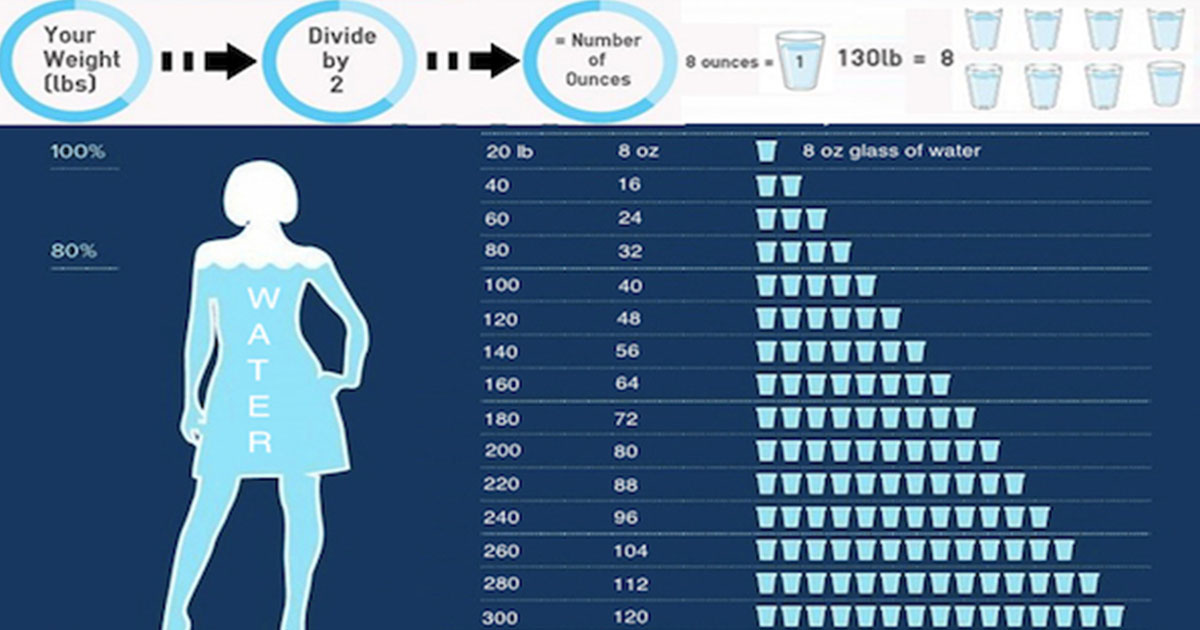
So, picture this: my friend Dave once tried to “hack” his hydration by chugging a gallon of water in an hour. Halfway through, he looked like a startled goldfish, and by the end, he was running for the bathroom every ten minutes. He later confessed he felt worse than when he started—dizzy, bloated, and strangely thirsty.
That’s when it hit me: we all think we know how much water to drink, but most of us get it wrong. Let’s ditch the myths and get real about what your body actually needs per day.
The famous “8×8” rule—love it or hate it?
You’ve heard it a million times: eight glasses of eight ounces each. That’s about 64 ounces, or roughly 2 liters. It’s a catchy slogan, but it’s not exactly science—it’s more like a friendly guess from 1945.
Must Read
Fun fact: the “8×8” rule was never backed by solid research. It just stuck because it’s easy to remember. Your mileage may vary—literally.
So, what does science say? (Spoiler: it’s flexible)
The National Academies of Sciences recommend about 3.7 liters (125 ounces) per day for men, and 2.7 liters (91 ounces) for women. But hold up—that includes water from food and other drinks.
Yes, your morning coffee, that juicy apple, or even your herbal tea all count. So don’t panic if you’re not chugging from a gallon jug.
Side note: If you’re eating a lot of water-rich foods—like cucumbers, watermelon, or soup—you’re already ahead of the game. High-five your salad bowl.
Your body is a leaky bucket (and that’s okay)
You lose water every day through sweat, pee, breath, and even your morning yawn. The goal is to replace what you lose, not to drown yourself in H2O.
Think of it like filling a gas tank: you don’t keep pumping after it clicks. If you’re thirsty, your body is already whispering, “Hey, low on fluids.” Listen to that little voice.
Ironically, drinking too much water can be worse than drinking too little. It dilutes your blood’s sodium levels, causing a condition called hyponatremia—which is medical-speak for “don’t be like Dave.”
 Water Consumption Calculator Thames Water Launches New Calculator To
When should you drink more? (Hint: not just when you’re sweating)
If you’re exercising, running a fever, or living in a hot climate, your needs go up. Same if you’re pregnant or breastfeeding—your body’s running a mini factory in there.
A good rule of thumb: check your pee. If it’s pale yellow like lemonade, you’re golden. Dark like apple juice? Drink up, friend. Clear as tap water? You might be overdoing it.
And here’s a wild one: thirst isn’t always reliable in older adults. If you’re over 60, your thirst mechanism gets sluggish, so set a gentle reminder to sip every hour.
What about the “coffee dehydrates you” myth?
Oh, this one is stubborn. People think coffee and tea suck water out of you like a vampire. In reality, the diuretic effect is mild and temporary.
A study once showed that moderate caffeine intake—up to 400 mg, or about 4 cups—doesn’t dehydrate you enough to matter. So enjoy your latte without guilt. Just don’t replace water with coffee.
Side comment: Ever notice how people who say “coffee dehydrates you” are often the ones drinking a 20-ounce soda? Yeah, let’s talk about that sugar load first.
How to make hydration easy (and a little fun)
Don’t treat water like a chore. Get a silly bottle with measurements, or add slices of lemon, cucumber, or mint. I personally love a splash of tart cherry juice—makes it taste like a fancy mocktail.
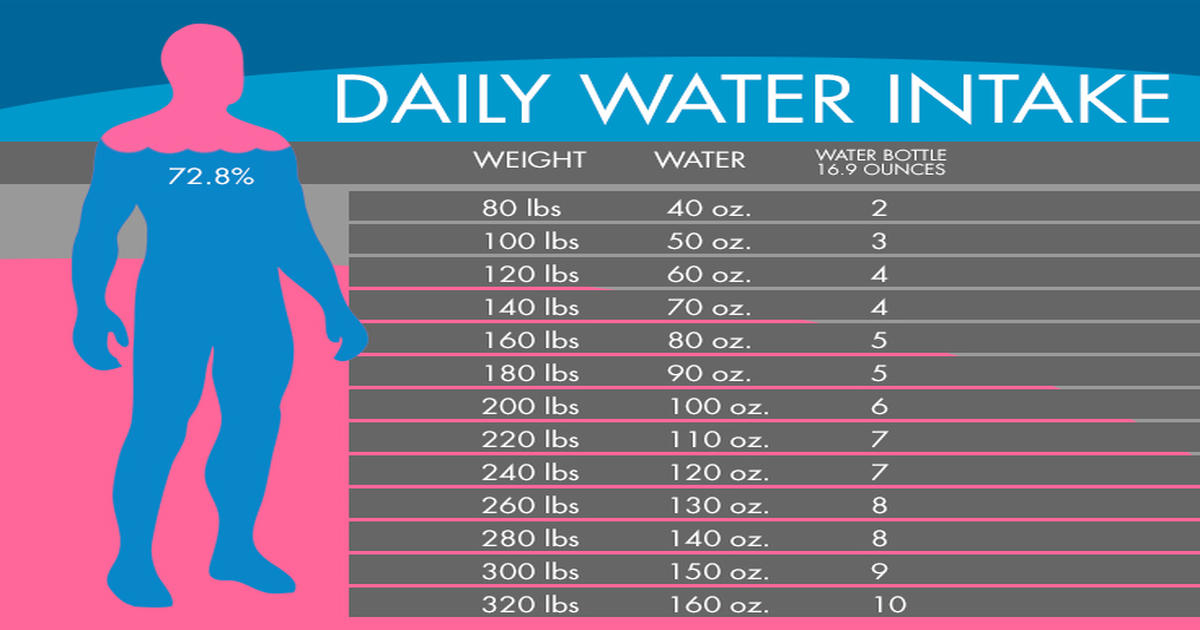 Water Consumption Per Day Chart – LFMP
Another trick: drink a glass of water as soon as you wake up. You haven’t had anything for hours, and your body thanks you by not making you foggy all morning.
And if you’re really struggling, eat your water. Watermelon, strawberries, celery, and yogurt are all sneaky hydration heroes. Your taste buds win, your kidneys win—everybody wins.
What about those “drink 2 liters a day” apps?
They can be helpful, but also annoying. I tried one once, and it buzzed me during a movie to drink 200 ml. I nearly threw my phone at the screen.
Here’s the truth: your body is smarter than an app. Trust your thirst, check your pee color, and adjust for activity. No need to become a water-bottle statistician.
Final ironic thought: The most hydrated person I know is a guy who never tracks anything—he just drinks when he’s thirsty and eats a ton of fruit. Meanwhile, I’ve seen marathon runners over-hydrate and end up in medical tents. Balance beats obsession every time.
So, how much water do you really need per day? Enough to keep your pee pale, your energy steady, and your kidneys happy—not a drop more. Dave learned that the hard way. Don’t be Dave.
Go sip something. You’re probably a little dry right now. (I know I am.)
