How To Remove Microplastics From Drinking Water

Okay, let’s be real for a second. You’ve probably heard the buzz about microplastics. News flash: they’re everywhere—from the deepest ocean trench to… your morning glass of t...

Okay, let’s be real for a second.
You’ve probably heard the buzz about microplastics. News flash: they’re everywhere—from the deepest ocean trench to… your morning glass of tap water. Gross, right?
But before you panic-switch to drinking only fancy bottled water (spoiler: that has plastic too), let’s talk about how to kick those tiny, invisible party crashers out of your glass. Grab a snack (hopefully not wrapped in plastic) and let’s get to it.
Must Read
Step 1: The Boil-and-Cool Trick (It’s Real Science, Not Witchcraft)
You might think boiling water kills germs, and you’re right. But did you know it can also remove microplastics? A study from China found that boiling hard tap water (the kind with calcium and magnesium) makes the plastic particles cling to the limescale.
Here’s the play-by-play: boil your water for five minutes, then let it cool for five more. The plastic bits will hitch a ride on the chalky white stuff that sinks to the bottom. Then, just pour the top layer carefully, leaving the white “plastic jail” behind.
It’s like making tea, but instead of flavor, you’re removing sadness. Bonus: It’s free and requires zero fancy gadgets.
Step 2: The Classic Brita Filter (But Upgrade Your Game)
Your standard pitcher filter is a decent start. It catches big stuff like sand and some larger microplastics. But the really tiny ones—the nanoparticle ninjas—laugh in the face of basic carbon filters.
For a real win, look for filters with activated carbon blocks or ion exchange resins. These are the bouncers that say, “Sorry, plastic dude, not tonight.” Some pitcher brands now specifically advertise “microplastic reduction.”
If you’re feeling fancy, a reverse osmosis system under your sink is the nuclear option. It removes 99% of everything, including plastic. Just know it wastes a bit of water (and your wallet might cry a little).
Think of it as hiring a personal bodyguard for your H2O. Is it overkill? Maybe. Is it worth it? For sure.
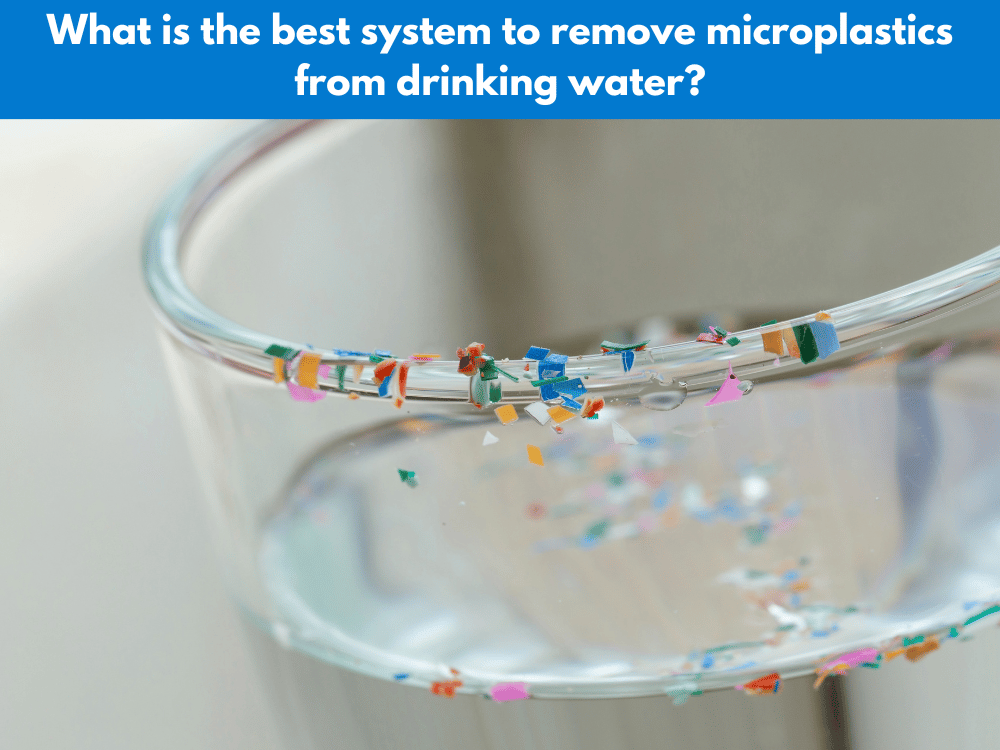 How To Remove Microplastics From Bottled Water | Detroit Chinatown
Step 3: The Distillation Dance
Remember making a cloud in a bottle in science class? That’s basically distillation. You boil water, catch the steam, and let it condense back into pure liquid. Microplastics? They stay behind because they’re too heavy to fly.
You can buy a countertop distiller (looks like a retro coffee maker) for about $100–200. It’s slow—it takes a few hours to make a gallon—but the water comes out pristine.
Downside: It also removes healthy minerals, so you might want to add a pinch of salt or take a mineral supplement. Think of it as a spa day for your water, but you’re the one waiting impatiently for the “massage” to finish.
Step 4: Stop Using Plastic Bottles (Seriously, Stop It)
I know, I know. You’re in a hurry, and the corner store has a cold bottle of Dasani. But here’s the kicker: that plastic bottle itself is shedding microplastics into the water as it sits on the shelf. You’re drinking what you’re trying to avoid.
Switching to a stainless steel or glass reusable bottle is like giving your water a cozy, safe home. Plus, you’ll look super trendy—like a minimalist influencer, but with better taste.
If you absolutely must buy bottled water, go for brands in glass bottles. Yes, they’re heavier. Yes, you’ll feel like a fancy European. Embrace it.
Step 5: The “Wait, I’m Doing It Wrong” Fix
Did you know that rinsing your plastic water bottle with hot water every day actually releases more microplastics into your drink? Stop doing that. Use cold water to rinse, or better yet, switch to metal or glass.
 5 Best Ways to Remove Microplastics from Drinking Water
Also, avoid leaving plastic containers in the sun or in a hot car. Heat is microplastic kryptonite—except it doesn’t kill them; it sets them free. Think of your water bottle as a moody vampire: keep it cool, dark, and away from direct flame.
One more thing: don’t chew on plastic straws. You’re literally grinding off microscopic bits with your teeth. Your jaw is a plastic shredder. Use paper or metal straws, or just go full wild-child and drink straight from the glass.
The Bottom Line (And I Promise It’s Not Plastic)
Look, you can’t escape microplastics completely. They’re in the air, in your food, and probably in your belly button lint at this point. But that doesn’t mean you should roll over and drink a guilt-free smoothie of regret.
Every little change helps. Boil your tap water. Get a good filter. Ditch the plastic bottles. It’s like deciding to floss: not sexy, but your future self will thank you.
And here’s the real truth: our bodies are amazing at processing and eliminating small amounts of junk. Your liver is basically a superhero janitor. So don’t stress too much. Drink plenty of clean water, eat whole foods, and go outside and laugh at a cloud.
Because in the end, you’re not just removing microplastics from your water—you’re reclaiming your sip. And that? That’s a victory worth raising a glass (stainless steel, of course) to.
Cheers, you beautiful, water-conscious human. Your kidneys are giving you a standing ovation right now.
