How To Check Resin Condition In An Old Softener

So, you’ve got an old water softener, huh? Maybe it’s been humming along in your basement for years, a quiet little workhorse you barely think about. But lately, the water fee...

So, you’ve got an old water softener, huh? Maybe it’s been humming along in your basement for years, a quiet little workhorse you barely think about. But lately, the water feels a bit off—or your dishes have that weird film again. Before you panic and call a plumber, let’s do a little detective work together. Checking the resin condition is like giving your softener a health checkup, and it’s way cooler (and cheaper) than you think.
First, What’s the Big Deal About Resin?
Think of the resin beads inside your softener as tiny sponges for hard water minerals. They grab onto calcium and magnesium, swapping them for soft, lovely sodium. Over time, though, those beads get tired, like a sponge that’s been used to clean up a muddy puddle too many times. That’s when your softener starts slacking off—kind of like a coffee maker that makes weak brew after a thousand pots.
The Look-and-Touch Test (Seriously, It’s Simple)
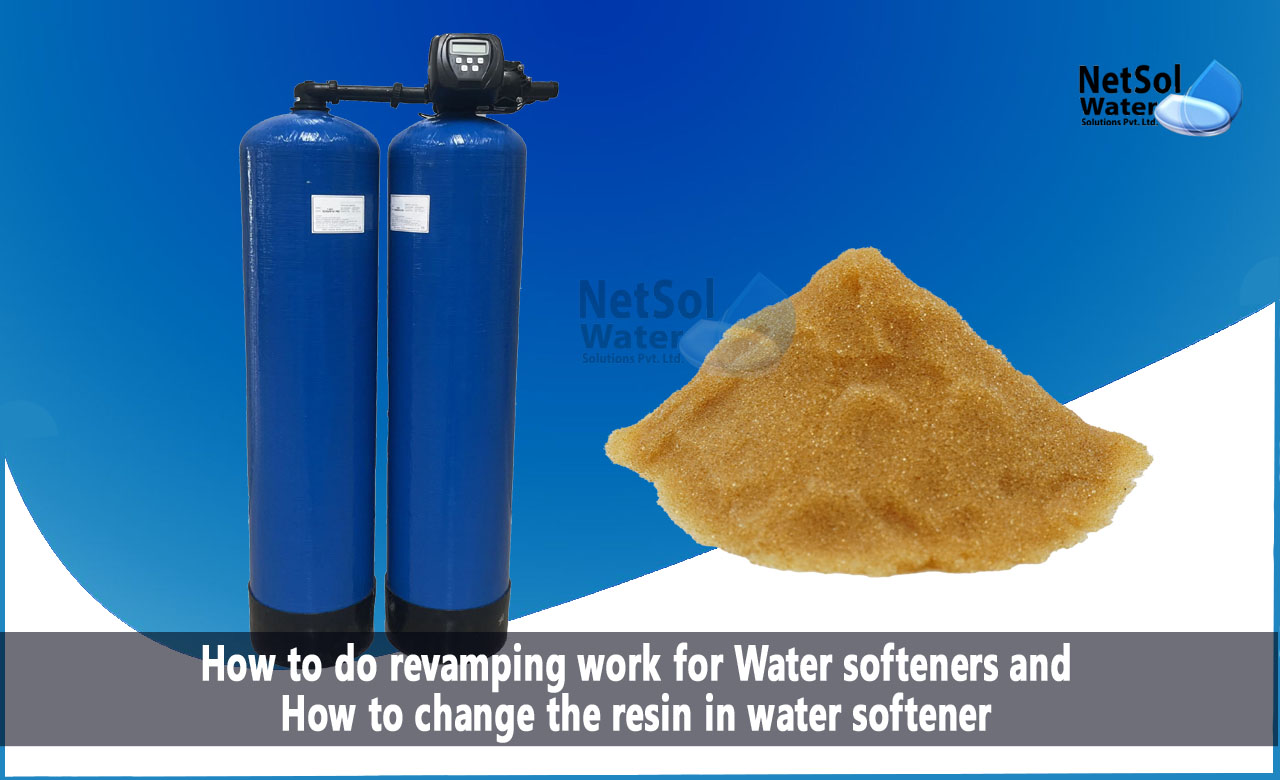
First, power down the softener and find the resin tank—that tall, green or blue cylinder. Locate the access port (usually a little cap on top), and gently scoop out a handful of beads. You can use a clean turkey baster or a long spoon—nothing fancy needed. What do they look like? Healthy resin beads should be small, round, and a deep amber or tan color, almost like tiny mustard seeds.
Must Read
Now, roll a few between your fingers. They should feel firm, not mushy or crumbly. If they’re squishy or break apart easily, that’s a red flag—your resin is toast. Also, check for clumps. If the beads stick together like wet sand, you’ve got a problem called “mushrooming” or fouling. It’s pretty common in old units, and smooth beads are a good sign.
The Salt Tower Mystery
Here’s a fun trick: look at the salt level in your brine tank. If you recently added salt but it hasn’t dropped, your resin might be dead. Think of it like a party guest who stops dancing—the resin can’t “refresh” itself, so the salt just sits there. Conversely, if the salt dissolves super fast, the resin might be working overtime, which is another clue it’s wearing out.
Another easy check: hard water spots. Fill a clean glass with tap water and add a few drops of dish soap. Shake it up—no need to be gentle. If you get a weak, cloudy foam instead of a thick, fluffy lather, your softener is failing. And yes, that’s a sign the resin isn’t doing its job anymore, kind of like a toothbrush with worn-out bristles.
 Emptying old water softener resin - YouTube
The Water Taste Test (Don’t Worry, It’s Not Gross)
Pour a glass of water from a faucet connected to your softener. Take a sip. Does it taste salty or metallic? That can mean the resin is breaking down and leaking into your water, or the control valve is failing. Healthy soft water should taste neutral—just clean, maybe a bit smoother. If it’s weird, the resin beads might be contaminated with iron or silt, which gives them a rusty, gritty feel.
Also, run your wet finger over a clean mirror or glass. If it leaves a chalky white residue after drying, that’s calcium—another sign the resin is exhausted. It’s like checking a tire’s tread; if it’s bald, you need a replacment.
When to Call It Quits vs. Rescue
If you find broken, mushy beads, or they’ve turned dark brown or black, it’s time to replace the resin. But don’t throw in the towel yet! Sometimes, a simple resin cleaner can revive slightly fouled beads. Think of it as a deep-conditioning treatment for your softener. You pour in a special cleaner, run a regeneration cycle, and see if the beads bounce back.
 Do Water Softeners Really Work at Charles Wagar blog
If they don’t? No big deal. You can buy replacement resin online, and swapping it out is a fun weekend project—like changing the oil in your car, but easier. Key tip: When you empty the old resin, wear gloves and a mask. It’s dusty stuff, like tiny Styrofoam beads that went through a wood chipper.
The Long-Term Game
Here’s a secret: resin lasts about 10 to 15 years with good maintenance. So if your softener is older than that, checking the resin is basically preventive care. Regular checks keep you from waking up to a shower that feels like sandpaper. And honestly, it’s kind of satisfying to see those little beads and know exactly what they’re up to.
Next time you’re in the basement, give it a try. You’re not just checking resin—you’re taking control of your water’s soul. And if you find mushy beads? Well, now you’ve got a story to tell. “Remember when I discovered my softener’s secret life?” Trust me, it’s a conversation starter.
