How To Remove Hardened Salt From Water Softener

Last Tuesday, I walked into my laundry room and found a tiny, shimmering mountain range sprouting from the floor around my water softener. Not the majestic Alps, mind you, but...
Last Tuesday, I walked into my laundry room and found a tiny, shimmering mountain range sprouting from the floor around my water softener. Not the majestic Alps, mind you, but a crusty, white, stubborn salt bridge that looked like it was trying to conquer my basement. I stood there, coffee in hand, wondering if my appliance had secretly turned into a geologist’s nightmare.
(You know that feeling, right? When your "set it and forget it" machine suddenly demands your full attention?)
That hardened salt—often called a salt bridge or “salt mush”—is a common, annoying gremlin in the world of water softeners. It happens when the salt pellets in your brine tank clump together into a solid crust, blocking the water from dissolving fresh salt. But don’t panic; it’s more of a nuisance than a crisis.
Must Read
What’s Actually Happening Down There?
Think of your brine tank as a giant, salty birdbath. When humidity or temperature changes happen, salt can re-crystallize at the surface, fusing pellets together. High humidity in your basement? That’s the culprit. Using the wrong type of salt—like cheap rock salt with too much mud—makes it worse.
And here’s the irony: this bridge usually forms above the water level, so your softener acts like it’s full of salt, but it’s really just starving. Your dishes get spots, your skin feels dry, and the machine works overtime. Fun, huh?
The Tools You’ll Need (No, Not a Jackhammer)
Before you go full demolition mode, grab a few things: a long, blunt object (like a wooden broom handle or a plastic pipe—please, not a metal rod, you’ll puncture the tank), a rubber mallet, a shop vac, and a dust mask (because salt dust is sneaky). Also, a flashlight, because you’ll be peering into a dark abyss.
Oh, and a cup of patience. This isn’t a rush job. Trust me, I learned the hard way.
 How to Remove A Salt Clog From Your Water Softener - Fast & Easily
Step 1: The Gentle Persuasion (Break the Bridge)
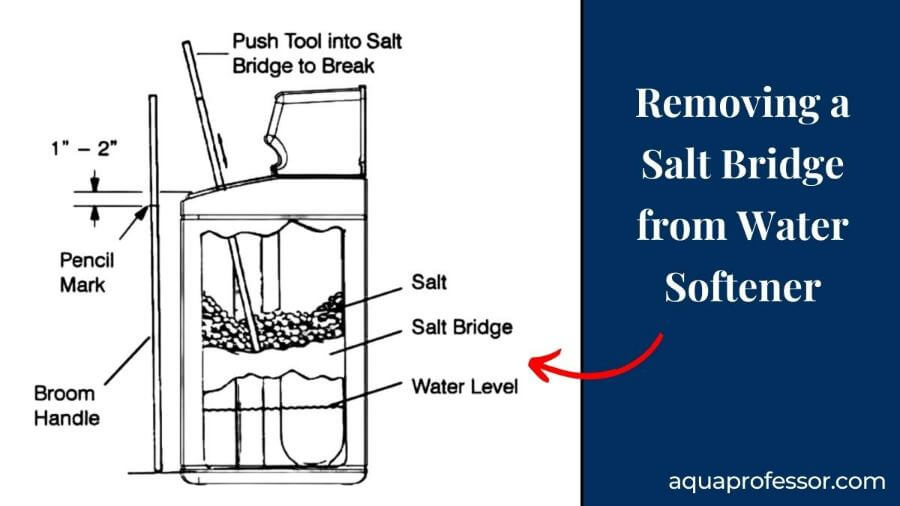
First, unplug the softener or put it in “bypass” mode. Safety first, folks. Then, take your broom handle and gently tap around the edge of the tank. Listen for a hollow sound—that’s the bridge. Don’t go Hulk-smashing yet.
Use the handle to poke downward in a few spots. You’re looking for a weak point where the crust cracks. When you hear a satisfying crack, you’ve found it. Now, gently break the crust into chunks small enough to lift out by hand or scoop. Pro tip: wear rubber gloves—this stuff will dry out your hands faster than a desert.
Step 2: The Mucky Bottom (Deal with Salt Mush)
Sometimes, the problem isn’t a hard bridge but a slimy, mushy layer at the bottom—often called “salt mush.” That’s what happens when low-quality salt dissolves unevenly. It’s basically salty mud, and it blocks the water intake.
Use a shop vac (wet/dry vac) to suck out the mush and any loose salt. Empty the tank completely if you can. Don’t be afraid to get a little messy—it’s character-building. Rinse the inside with a hose if you want, but dry it out before adding new salt.
How to Stop This From Happening Again
You’re not doomed to repeat this chore. First, switch to high-purity evaporated salt (like solar salt or pellet salt) instead of cheap rock salt. It costs a bit more, but your back will thank you. Second, keep the humidity down in your utility room—use a dehumidifier if you have to.
 How Do You Remove Hardened Salt From A Water Softener | Detroit Chinatown
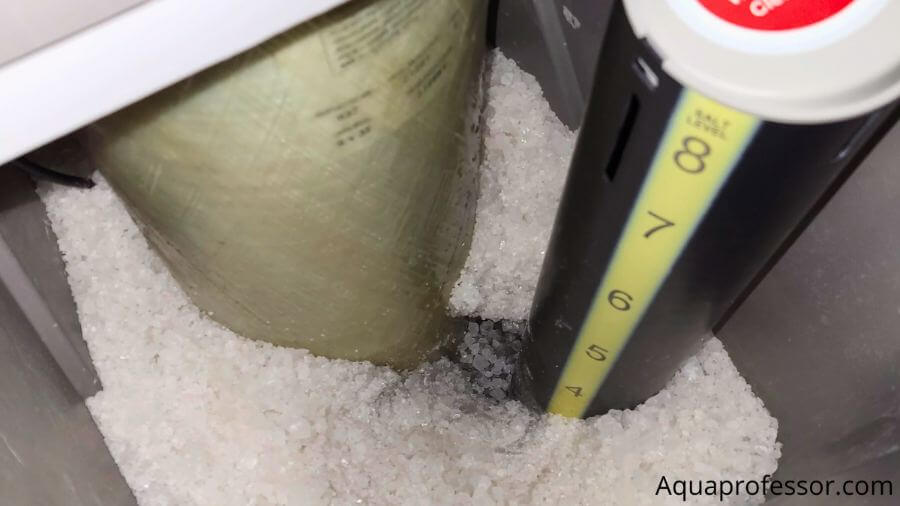
Third, don’t overfill the tank. Keep the salt level below the top of the brine well. And here’s a weird trick: every few months, gently stir the salt with that broom handle to keep it loose. Yes, it’s like stirring a giant pot of soup, but it works.
When to Call for Backup
If you smack that bridge and nothing happens—like, zero movement—you might have a bigger issue, like a broken brine grid or a salt plate that’s fused to the bottom. Don’t use a hammer or chisel inside the tank; you’ll crack the plastic.
At that point, call a plumber or a water softener service. It’s better to pay a pro $150 than to buy a new machine for $800. Your pride can handle that phone call; your back can’t handle a shattered tank.
One Final, Slightly Embarrassing Tip
Keep a flashlight handy because you’ll probably drop a screwdriver into the tank at least once. I did. Twice. And if you hear a strange gurgling sound later, don’t worry—that’s just the air bubbles escaping. Your softener is thanking you with clean, soft water.
So, next time you see a salt bridge, just tell it, “Not today, crusty monster.” Then break it, vacuum it, and refill that tank like the home-maintenance hero you are. You’ve got this.
