How To Remove Coliform Bacteria From Well Water

Picture this: you’re about to pour a glass of water from your well. It looks clear, like liquid TV static. But lurking inside could be coliform bacteria—the uninvited party gu...
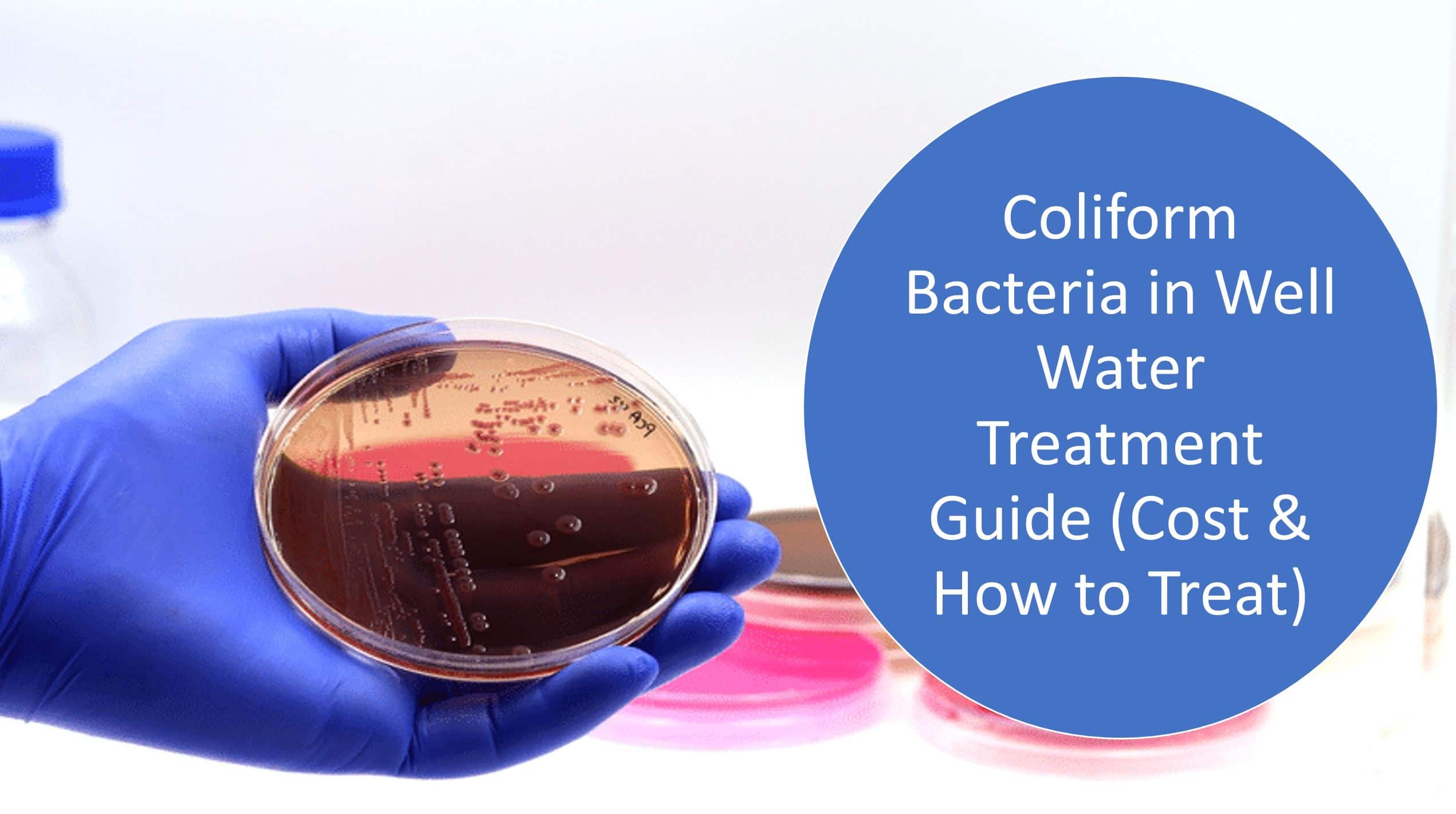
Picture this: you’re about to pour a glass of water from your well. It looks clear, like liquid TV static. But lurking inside could be coliform bacteria—the uninvited party guests that leave a mess you can’t see.
Coliform bacteria are basically the dumpster divers of the microscopic world. They live in soil, rotting plants, and the digestive tracts of warm-blooded critters (and yes, that includes your neighbor’s golden retriever). If they show up in your well water, it’s a neon sign saying, “Hey, your water supply is leaking somewhere nasty!”
But don’t panic—you’re not doomed to drink bacteria smoothies forever. Removing coliform bacteria is totally doable, and I promise you won’t need a hazmat suit or a degree in plumbing. Let’s dive into the murky, entertaining truth about kicking these germs out of your well.
Must Read
Step One: Diagnose the Problem (Without Panic Shouting)
The first thing you want to do is test your water—not by sniffing it like a fine wine, because bacteria are silent, smell-free jerks. Buy a coliform test kit from a local lab or hardware store; they cost about as much as a decent pizza, and the stakes are way higher than pineapple vs. pepperoni.
If the test comes back positive, take a deep breath. You’re not alone—about one in five private wells in the U.S. have coliform issues at some point. That’s more common than finding a single sock missing from a laundry load, so you’re in good company.
Surprising fact: coliform bacteria themselves aren’t always dangerous—it’s like finding a clown at your front door. The real worry is what the clowns bring: E. coli or other pathogens that hitch a ride into your water supply.
Step Two: Find and Fix the Leak (It’s Like a Plumbing Mystery)
Before you nuke the water with chemicals, figure out why those bacteria crashed your well. Common culprits include a cracked well cap, a broken seal, or a surface puddle that’s literally sipping into your groundwater. Go outside and inspect your well head like a detective who’s been drinking too much coffee.
Make sure the well cap is tight and elevated, not sitting in a ditch like a drowned gopher. Also, check that the ground slopes away from the well—water pooling around it is basically a bacteria slip-and-slide right into your drinking glass. Fix these issues before you do anything else, or you’ll just be flushing money down the toilet (which is already a bad bacteria hangout).
 🦠💧 How to Remove Bacteria Like E. Coli, Coliforms & Cryptosporidium
Here’s a cheap fix: add a chlorine tablet or a shock treatment to the well itself. It sounds intense, like giving your well a spa day with bleach, but it’s a standard first step that kills coliform on contact.
Step Three: Go Full Chemical Warrior (But Don’t Go Full Mad Scientist)
If testing reveals persistent bacteria, it’s time for chlorination, also known as “the water equivalent of dropping a disinfectant bomb.” You’ll mix household bleach (unscented, no fancy splash-less stuff) with water and circulate it through your entire system—pipes, faucets, and even the water heater if you’re brave.
Let that bleach-water cocktail sit for 12 to 24 hours. During that time, do not drink it—unless you enjoy feeling like a swimming pool. Afterward, flush all the water out until you no longer smell a pool party in your kitchen sink. Test again; if it’s clean, you’ve won the battle.
Surprising fact: coliform bacteria can survive in ice and even reproduce inside the pipes of your refrigerator. So if you’ve been chewing on suspect ice cubes, you’ve basically been eating frozen bacteria popsicles. Yum.
Step Four: Bring in the Heavy Artillery (UV and Filters)
If chlorination feels too high-school-science-fair, consider installing a UV water purification system. It uses ultraviolet light to zap bacteria mid-swim, like a microscopic tanning bed from hell. No chemicals, no smell, and it’s about as low-maintenance as a pet rock—just replace the bulb every year.
 How to Treat and Eliminate Coliform Bacteria in Well Water
But UV systems are only as good as your pre-filter—if the water is cloudy with dirt, the UV light can’t see the bacteria. Add a sediment filter first, and you’ve basically built a germ kill zone in your basement. For extra peace of mind, pair it with a reverse osmosis system under the sink. That’s the ninja death star of water treatment—it catches everything from bacteria to dissolved lead.
Fun fact: UV light systems kill 99.99% of coliform bacteria, which means about one in 10,000 germs gets a lucky pass. That’s like surviving a roller coaster crash—rare, but technically possible. Still better than a gamble with untreated well water.
Step Five: Test Like Your Taste Buds Depend on It
After any treatment, wait 48 hours and test the water again. Bacteria are sneaky—they could bounce back if you missed a crack or a mouse died in the well casing (yes, that happens). Test again in three months, then every year after that, like an annual checkup for your water’s gut health.
A well-maintained system can keep coliform away for decades, but one lightning strike or flood can undo everything. So stay vigilant: if your water starts smelling like a swamp or tasting like pennies, it’s time to re-shock the system or call a professional.
Bottom line: removing coliform bacteria from your well water is not magic—it’s just a little sweat, some bleach, and a UV lamp. And unlike that teenage job you had, this cleaning actually gives you safe water for decades. So go ahead, test your well, fix that leak, and buy a UV system—your future self will thank you, and your stomach will be very quiet.
Now go drink a glass of bacteria-free water while smugly grinning at your old, untreated hose. You’ve earned it.
