How To Get Rid Of White Residue From Dishwasher

So, the other day I pulled out a wine glass, held it up to the light, and let out a sigh that could’ve deflated a balloon animal. It looked like a tiny ghost had sneezed all o...

So, the other day I pulled out a wine glass, held it up to the light, and let out a sigh that could’ve deflated a balloon animal. It looked like a tiny ghost had sneezed all over the crystal. You know the look—that stubborn, chalky film that makes your “clean” dishes look like they just crawled out of a limestone quarry. Sound familiar? Yeah, I thought so.
That white residue is basically the unwanted souvenir your dishwasher leaves behind after a hard day’s work. It’s not just an eyesore; it’s a cry for help from your machine. But don’t worry, we’re going to fix this without needing a degree in plumbing or a priest for an exorcism.
The Usual Suspect: Hard Water
Let’s get one thing straight: hard water is the main villain here. That white film is just dried-up calcium and magnesium minerals that your water supply couldn’t keep to itself. Think of it as mineral dandruff for your dinner plates.
Must Read
If you live in an area where your tap water tastes like a mountain stream (but looks cloudy), this is likely your battle. The fix? A rinse aid. Seriously, use the rinse aid. That little compartment in your dishwasher door isn’t just for decoration. Fill it up, and it will break the surface tension of the water, letting those minerals slide right off during the final rinse.
But Wait, What If It’s Not Just Hard Water?
Sometimes the residue isn’t a chalky white—it’s more of a bluish or milky haze, especially on glassware. That’s often etching, which is when your dishwasher detergent is too aggressive and literally eats away at the glass. It’s permanent damage, sorry pal. The fix here is to switch to a gentler detergent, or use less of it—especially if you have soft water. Overloading soap in soft water is like pouring salt on a slug; it just causes more chaos.
Another rogue suspect? Low temperature. If your water heater is set to “barely warm,” the detergent won’t dissolve fully. Check your water heater temp—it should be at least 120°F (49°C) when it hits the dishwasher. Trust the hot water gods.
 How to Get Rid of White Residue in Dishwasher: Sparkling Tips
The Quick Fixes (No Tools Required)
Before you dismantle the entire appliance, try the simplest trick in the book: white vinegar. Place a cup filled with white vinegar on the top rack of an empty dishwasher. Run a hot water cycle. That’s it. The acid in the vinegar will dissolve the mineral deposits inside the machine and give your next load a fighting chance. (Side note: your kitchen will smell like a salad dressing factory, but that’s a small price to pay for shiny glasses.)
If the vinegar trick fails, grab some citric acid powder. You can find it in the canning aisle or on the internet. Sprinkle a couple of tablespoons into the detergent dispenser and run a hot cycle. It’s like a detox spa for your dishwasher. Results are usually immediate—your dishes will emerge looking like they just got a professional polish.
And for crying out loud, clean your dishwasher’s filter. If you haven’t done that in the last three months, I’m judging you—in a loving way. A clogged filter recirculates gunk right back onto your plates. It takes two seconds: pop it out, rinse it under hot water, pop it back in. You’re welcome.
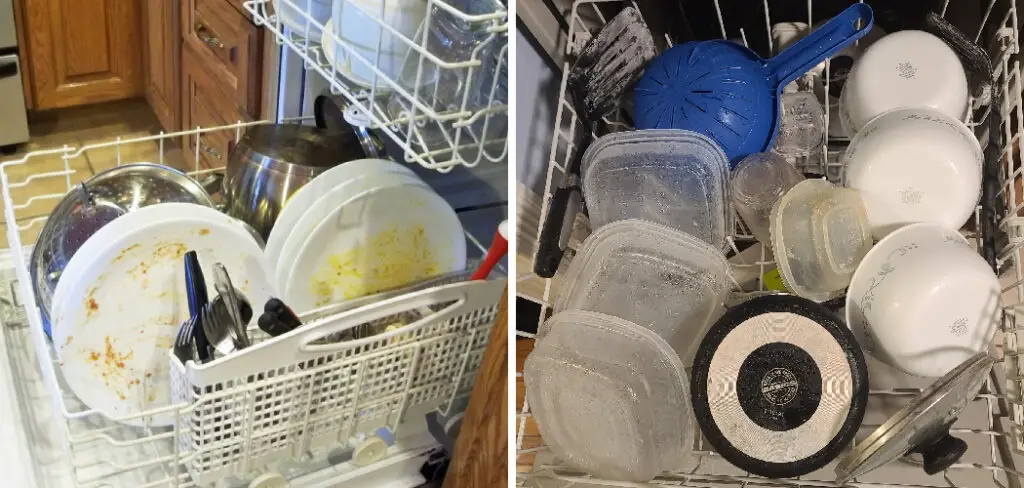 How to Get Rid of White Residue in Dishwasher | 10 Easy Steps
Long-Term Prevention: The Smart Laundry List
Here’s what you do to keep that residue from coming back, ever.
- Use a rinse aid every single time. It’s not optional if you have hard water—it’s a necessity. Get a decent brand; the cheap stuff works fine.
- Don’t overfill the detergent dispenser. More soap doesn’t mean cleaner dishes. It means more leftovers for the machine to try and rinse off.
- Check your water softener if you have a whole-house system. If it’s running low on salt, your dishwasher is fighting a losing battle.
- Run hot water in the kitchen sink before starting the dishwasher. This ensures the incoming water is already hot when the cycle begins.
One last thing: don’t forget to give your machine a monthly maintenance wash. Either use a store-bought dishwasher cleaner (the tab kind) or do the vinegar trick again. Think of it like taking your car for an oil change—it’s boring, but it prevents a breakdown that leaves you scrubbing plates by hand.
So next time you open your dishwasher and see those spotless, shiny glasses, take a moment to bow. You’ve outsmarted the minerals. You’ve conquered the residue. And honestly, you’ve earned that glass of wine. (Just don’t let the ghost see you drinking it.)
