Does Carbonated Drinks Neutralize Stomach Acid

We’ve all been there. You’ve just destroyed a plate of spicy buffalo wings or a massive, greasy pizza, and now your stomach feels like a tiny, angry volcano. So, what’s the fi...
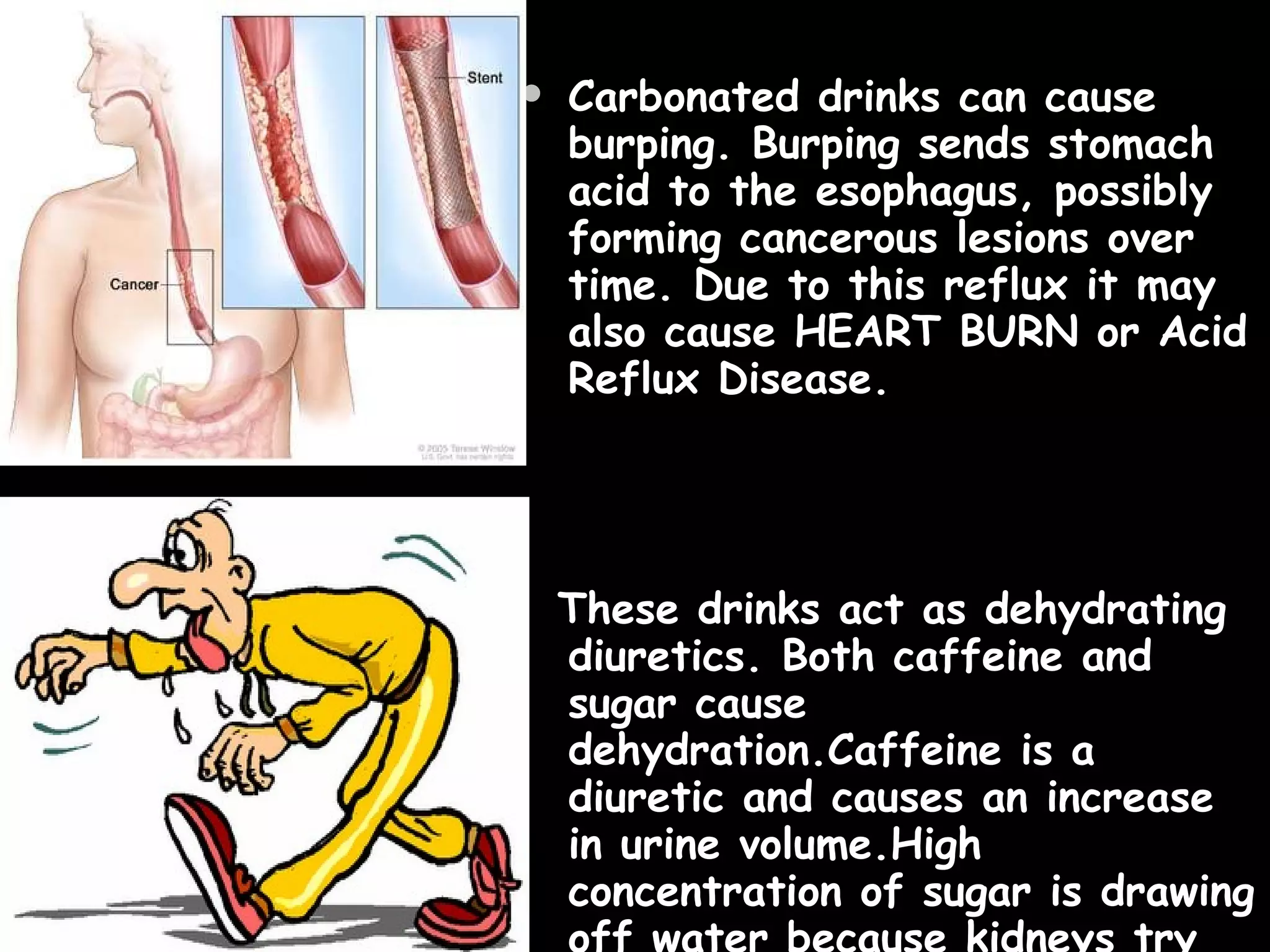
We’ve all been there. You’ve just destroyed a plate of spicy buffalo wings or a massive, greasy pizza, and now your stomach feels like a tiny, angry volcano. So, what’s the first thing many of us reach for? A cold, fizzy soda. It’s a classic move—the hiss of the can, the crisp bubbles, the hope that the carbonation will somehow "settle" things down.
But let’s be real for a second. Does that fizzy drink actually help, or are we just making a bad situation worse? It feels like pouring water on a grease fire—satisfying in the moment, but scientifically questionable. Let’s pop the top on this bubbly mystery and see what’s really going on down in your digestive tract.
The Acid vs. The Fizz: A Tale of Two Forces
Here’s the thing about stomach acid: it’s incredibly powerful—like that one friend who always wins at arm wrestling. Your stomach needs that strong acid (hydrochloric acid, to be fancy) to break down food. When you have heartburn or acid reflux, it’s not that you have too much acid; it’s that the acid is in the wrong place, splashing up into your esophagus.
Must Read
Now, carbonated drinks are basically water with carbon dioxide gas forced into it under pressure. That gas creates carbonic acid, which gives soda its tangy, bitey feeling. So, you’re drinking an acid to "neutralize" another acid. That’s like trying to put out a fire with a flamethrower—it just doesn’t compute.
The short answer? Carbonated drinks do not neutralize stomach acid. In fact, they might actually make things worse. The bubbles can distend your stomach, causing the acid to slosh around like a shaken-up soda can. That pressure can burp its way right up your throat, bringing that lovely burning sensation with it.
But Wait—Doesn't It Feel Good?
I know what you’re thinking: “But when I drink a cola after a heavy meal, I feel better!” I get it. And you’re not entirely wrong. The act of burping provides a huge release of built-up gas pressure in your stomach. That feeling of relief is very real. It’s like popping the cork on a champagne bottle—a sudden, satisfying release of tension.
But here’s the sneaky part: that burp might be carrying stomach acid along for the ride. You feel the pressure drop, but you might not notice the tiny acid splash hitting the back of your throat. Over time, that habit can wear down your esophagus. It’s a short-term win with a long-term cost.
 Energy Drinks And Stomach Ulcers at Chris Colon blog
Think of it this way: if your stomach is a pool party that’s gotten too rowdy, a fizzy drink is like throwing in a bunch of inflatable balls. It seems fun, but it just takes up more space and makes everyone (the acid) crash into the walls (your esophagus).
The Real Neutralizers (They Are Boring but Better)
So, what actually will neutralize that angry stomach acid? Spoiler alert: it’s not something you’d find at a frat party. The real MVPs are antacids—the chalky, chewable tablets your grandma takes. They contain bases like calcium carbonate or magnesium hydroxide, which are chemically designed to cancel out the acid.
Water is also a hero. Plain, still water dilutes the acid and washes it back down into your stomach where it belongs. No bubbles, no drama, just straight-up hydration. It’s the functional, reliable friend who always shows up with a bagel after you’ve had a few too many.
And if you’re really suffering, a spoonful of baking soda dissolved in water is a classic home remedy. Baking soda is pure sodium bicarbonate, a powerful base. It will fizz and neutralize—but use it sparingly, because too much can mess with your body’s salt balance. That’s the nuclear option.
What About Ginger Ale or Seltzer?
Ah, the "healthier" fizz options. Ginger ale is often touted as a stomach soother. Here’s the truth: real ginger root can help with nausea and inflammation. But most commercial ginger ales? They have about as much ginger as a gummy bear has nutritional value. They’re just sugar water with bubbles.
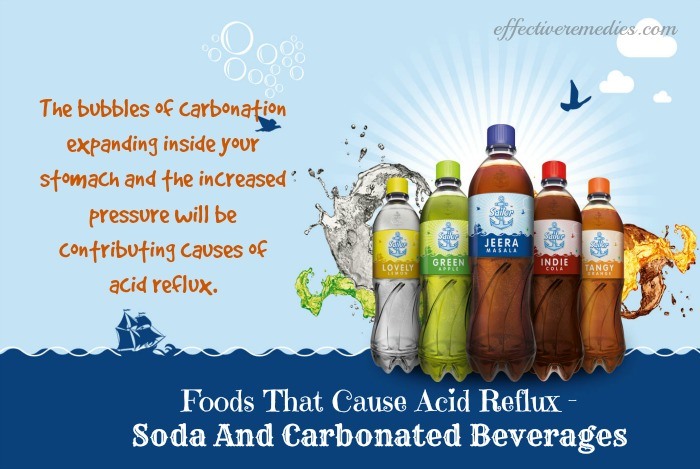 List of 12 Foods That Cause Acid Reflux Symptoms
Plain seltzer is a better bet because it lacks the sugar and artificial junk. But that carbonic acid I mentioned earlier? It’s still there. While seltzer is less acidic than lemon juice or soda, it can still trigger reflux in people with sensitive stomachs. It’s like choosing a small rain shower over a hurricane—better, but you’ll still get wet.
Your best bet? If you really need the fizz, try a small glass of plain seltzer after a meal, and don’t chug it. Sip it slowly, like you’re tasting fine wine. But honestly? Your stomach will thank you more for a glass of still water with a slice of cucumber—boring, but it gets the job done.
The Bottom Line (No Pun Intended)
Here’s the takeaway for your next late-night snack attack: carbonated drinks are like that charismatic friend who talks a big game but never actually shows up to help you move. They do not neutralize stomach acid. They just mask the feeling by giving you a satisfying burp.
If your stomach is throwing a tantrum, fight fair. Reach for an antacid, drink still water, or lie on your left side to keep the acid down. And please, for the love of everything holy, don’t chase a greasy burrito with a can of Mountain Dew. Your esophagus has enough drama in its life.
So next time you feel that familiar burn, remember: the bubbles are just a distraction. Your stomach doesn’t want a carbonated party; it wants a calming, quiet hug. Now, if you’ll excuse me, I’m off to drink some boring water and think about my life choices.
