What Does Total Dissolved Solids In Water Mean

So, you’re staring at a water bottle label, and it says something like “TDS: 150 ppm.” Your first thought? What on earth is that? Is it a secret code? A new diet trend? Don’t...
So, you’re staring at a water bottle label, and it says something like “TDS: 150 ppm.” Your first thought? What on earth is that? Is it a secret code? A new diet trend? Don’t worry, I’ve been there. Let’s get into it, coffee in hand.
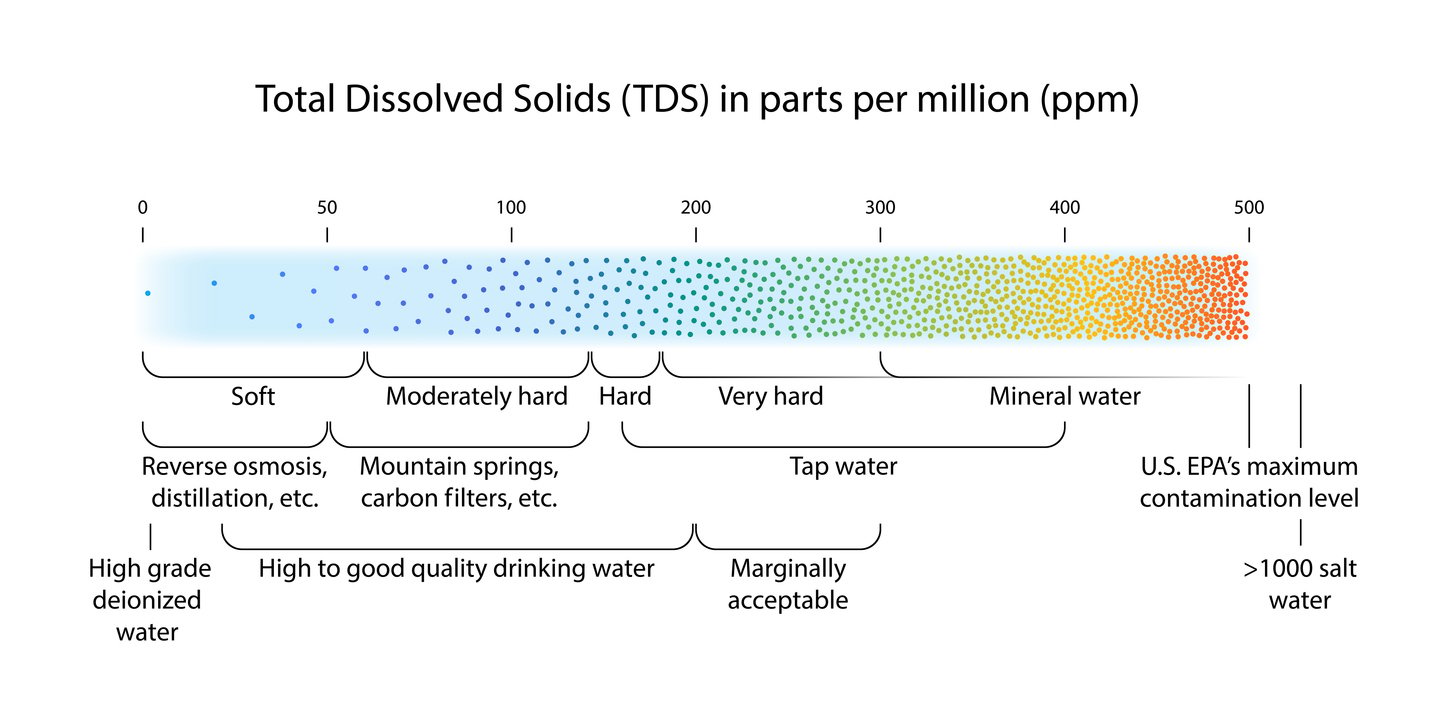
Here’s the simple truth: Total Dissolved Solids (TDS) is just a fancy way of measuring everything that’s dissolved in your water. Think of it as the water’s “stuff” count. It’s the minerals, salts, metals, and even tiny bits of organic matter that hitch a ride in your glass.
Imagine you’re making a cup of tea. You drop in a sugar cube, and it vanishes. That sugar is now a dissolved solid. Water does the same thing with whatever it touches—rocks, pipes, soil, you name it. Gross? Not necessarily.
Must Read
Wait, Is That Stuff Bad For Me?
Here’s the kicker: Not all dissolved solids are villains. Some are absolute heroes. Calcium and magnesium, for example, are common TDS components. They make water taste crisp and give you strong bones. That’s a win.
But other solids are party crashers. Things like lead, arsenic, or copper are also dissolved solids. Yikes. That’s when TDS becomes a red flag, not a fun fact. The devil is in the details, right?
So, your TDS level tells you how much is in there, but it doesn’t tell you what it is. That’s the catch. It’s like knowing someone has $100 in their pocket, but not knowing if they’re holding candy or little bombs.
How Do You Even Measure This Stuff?
You can buy a TDS meter for like twenty bucks online. It looks like a weird thermometer. You dip it in water, and bam—a number pops up. Very satisfying, very sciency.
It works by measuring how well the water conducts electricity. (Don’t try that with your tongue, please.) Pure water is a terrible conductor. But add those dissolved solids—salts, minerals—and it starts buzzing. More solids = higher reading.
 Solids in Water|| Water Quality Index || Environmental Engineering
Tap water usually sits somewhere between 50 and 300 ppm (parts per million). Bottled spring water might be higher. Distilled water? Almost zero. It’s basically the lonely, boring hermit of the water world.
Why Should You Care About TDS?
Okay, real talk. For most of us, it’s about taste. Low TDS water (like distilled) tastes flat and empty. It’s the water equivalent of elevator music. High TDS water can taste salty, metallic, or bitter. Blegh.
You know that perfect, refreshing glass of water from a mountain spring? That’s Goldilocks TDS. Not too high, not too low. Just the right amount of “stuff” to make your tongue sing. It’s a delicate balance, friends.
But there’s a bigger issue. If your TDS number is sky-high (say, over 500 ppm), it might mean your pipes are leaching junk. Or your groundwater is picking up fertilizers or industrial runoff. Suddenly, your curiosity feels justified.
Should You Filter It Out?
Here’s where we get personal. If you’re on city water, your utility already removes the dangerous solids. Your TDS level might just be about mineral content. That’s fine. Your coffee might even taste better with it.
 What is Meant by Total Dissolved Solids?
But if you’re on a well? Get it tested. Don’t just trust the TDS meter. A high number could mean hard water (which wrecks your appliances) or something nastier. Your taste buds aren’t a lab, okay?
Reverse osmosis filters are the TDS assassins. They strip almost everything out. You’ll get water so pure it’s practically philosophical. Some people love it. Others say it tastes like regret. You decide.
The Bottom Line (No Pun Intended)
So, what does Total Dissolved Solids in water mean? It means your water has history. It’s been on a journey through rocks and pipes and clouds. TDS is the souvenir it picked up along the way.
Most of the time, that souvenir is harmless. Sometimes it’s even helpful. But a sudden spike? That’s your water screaming for attention. Listen to it. Your water is trying to tell you something.
And now, go drink a glass. See if you can taste the difference. You’re basically a water sommelier now. Not a bad skill for a Tuesday, right?
