What Is A Safe Level Of Lead In Drinking Water

Let’s be real: most of us don’t think about our tap water until it tastes a little funky or the news drops a scary headline. Lead in drinking water sounds like something from...
Let’s be real: most of us don’t think about our tap water until it tastes a little funky or the news drops a scary headline. Lead in drinking water sounds like something from a Flint, Michigan, documentary you’d stream on a rainy Sunday. But it’s actually a quieter, more common concern than you might think.
So, what exactly is a “safe” level?
Here’s the short, slightly uncomfortable truth: according to the U.S. Environmental Protection Agency (EPA), there is no safe level of lead in drinking water. Zero. Zilch. That sounds alarming, right? But don’t panic—science is about nuance, not fear.
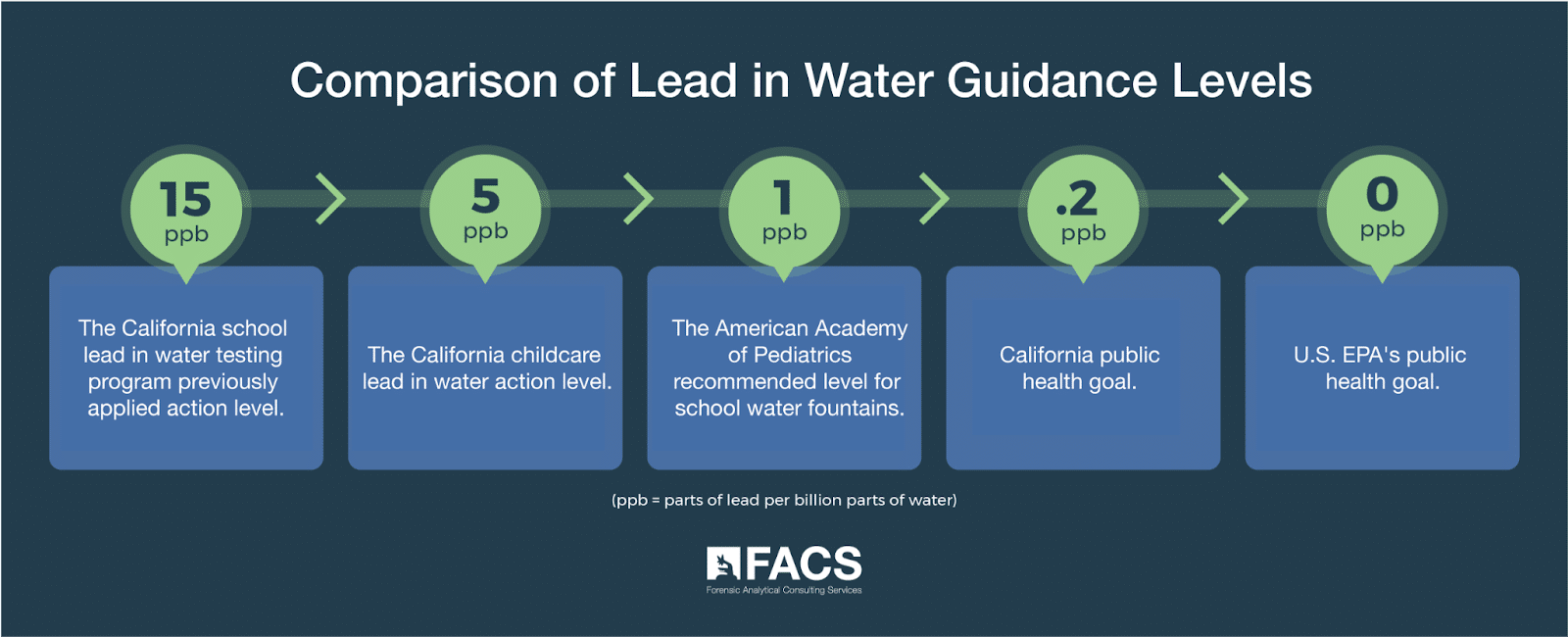
The EPA set an “action level” of 15 parts per billion (ppb). Think of it like a yellow traffic light: if more than 10% of water samples in a system exceed 15 ppb, the utility must take steps to reduce corrosion. It’s a regulatory target, not a health guarantee.
Must Read
For context, one part per billion is like one drop of water in an Olympic-sized swimming pool. Tiny, but lead is a neurotoxin—so “tiny” still matters, especially for kids and pregnant women. The American Academy of Pediatrics recommends keeping lead exposure as low as possible, ideally below 1 ppb.
The cultural reality check: your pipes tell a story
Remember that scene in Erin Brockovich where she slams a file on a desk? That’s the vibe when we talk about old infrastructure. If your home was built before 1986 (when lead pipes were phased out in the U.S.), you’re part of a very large club.
Lead service lines, brass fixtures, and even old solder joints can slowly leach lead into your water—especially when water sits in pipes for hours. It’s not a villain in a lab coat; it’s just your 1950s plumbing aging like a rockstar.
Fun fact: the ancient Romans used lead pipes and sweetened their wine with lead acetate. Spoiler alert: it didn’t end well for their cognitive function. We’ve learned a bit since then.
How do you actually know if your water is safe?
You can’t see, taste, or smell dissolved lead. It’s the ninja of contaminants. The only way to know for sure is to test your water. Your local health department or a certified lab can do it for about $20–$50. Skip the cheap home test strips—they’re about as reliable as a horoscope.
 Lead Regulation | City of Aurora, IL
Another smart hack: let your tap run cold for 30–60 seconds before drinking, especially if water hasn’t been used for six hours or more. Lead leaches more readily from standing hot water, so never use the hot tap for cooking or making baby formula.
If you’re feeling fancy, a certified NSF/ANSI 53 filter (pitcher or faucet-mounted) can remove lead. Brita doesn’t cut it for lead alone—check the label. It’s a small investment for peace of mind.
The 1% rule: why zero is the goal
Here’s a wild stat: the World Health Organization notes that lead exposure accounts for 1% of the global disease burden. That’s not a tiny drop in the bucket. Even low levels can affect children’s IQ and attention span, though the effects are subtle, not dramatic.
Think of it like sunscreen. A little UV is fine, but you don’t want to bake in the sun for hours. Similarly, occasional trace lead from a single glass of water isn’t a crisis—but chronic exposure is. The goal is prevention, not panic.
Cultural reference: remember the tap water vs. bottled water debate in every office kitchen? Bottled water isn’t automatically lead-free either (some brands use plastic that can leach chemicals). Tap water, when tested, is often more regulated. You just need to know your source.
 Lead Content In Water For Drinking at Thomas Kidwell blog
Practical tips for the modern home
Start with a lead risk checklist. Identify your home’s age, check for brass or chrome-plated brass faucets (pre-2014 models may contain lead), and look for a “lead-free” stamp. If you have kids, consider a whole-house filter system for total reassurance.
Also, flush your pipes after vacations. Water sitting in a home for weeks can have higher lead levels. Run cold water for two minutes before using it—it’s a small ritual, like wiping your gym equipment before you use it.
Fun little fact: the city of Glasgow, Scotland, replaced 1,000 km of lead pipes in the 2000s. Their water lead levels dropped by 86%. Infrastructure works. You just have to be your own advocate until your town catches up.
The final sip: connecting to daily life
We obsess over kale smoothies, meditation apps, and 8 hours of sleep—yet we often ignore the single most consumed substance in our body. Water is the ultimate life hack. Testing it, filtering it, or simply letting it run is a quiet act of self-care.
Here’s the reflection: the safest level of lead in water isn’t a number on a chart. It’s the feeling of lifting a glass to your lips without a shadow of doubt. That’s not paranoia—that’s peace. And peace is the best ingredient you can add to your morning routine.
So go ahead, pour yourself a cold glass. Run it first. Test it later. And remember: your water doesn’t have to be perfect, just protected. Cheers to that.
