How Much Is A Reverse Osmosis System Installed

Let’s be honest—you’re probably here because you’ve tasted that tap water. You know, the one that whispers secrets of old pipes and mineral deposits. Or maybe you’re just tire...

Let’s be honest—you’re probably here because you’ve tasted that tap water. You know, the one that whispers secrets of old pipes and mineral deposits. Or maybe you’re just tired of buying bottled water by the pallet, feeling like a part-time water delivery service. Good news: a reverse osmosis (RO) system could be your kitchen’s new best friend, and we’re going to talk dollars and sense—with a smile.
So, How Much Does It Actually Cost?
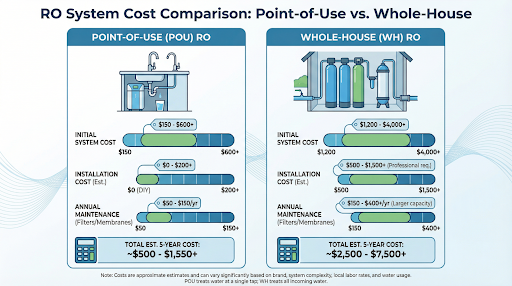
Here’s the fun part: you can get a quality installed RO system for anywhere between $400 and $1,200. Yes, that’s a range, but don’t let it scare you. The price mostly depends on the system’s sophistication and whether you hire a pro or channel your inner weekend warrior.
Think of it like buying a pizza: a basic margherita is delicious, but sometimes you want the one with all the toppings. The base price covers the unit, the faucet, and the installation labor if you go that route. Pro tip: get at least three quotes from local plumbers—it’s like a mini shopping spree for your taste buds.
Must Read
What’s Included in That Price?
Your typical installed cost covers the RO unit itself, a dedicated faucet, and the labor to connect it to your existing plumbing. Most pros also include the initial filters, so you’re good to go from day one. Some even throw in a little filter replacement timeline—like a free calendar for your water future.
But wait—there’s a plot twist. If your home has tricky plumbing (looking at you, older houses with galvanized pipes), the cost might nudge up toward $1,500. Don’t panic; just think of it as paying for peace of mind, not pipe stress.
Why This Is Actually a Fun Investment
Imagine never buying another plastic water bottle at the grocery store again. That’s like giving yourself a permanent coupon for freedom. Plus, you get water that tastes so crisp, you’ll start judging restaurant water with a smug little smile.
 How Much Are Reverse Osmosis Systems? Pricing and Installation Guide
And here’s the kicker: you’ll save money in the long run. The average family spends hundreds per year on bottled water. An RO system pays for itself in about two to three years. After that? It’s like free money flowing from your faucet.
Hidden Costs? Let’s Be Real.
Yes, there are filter replacements every 6–12 months, costing about $50 to $150 per year. But compare that to the carbon footprint of those plastic bottles—it’s a win for your wallet and the planet. You might even notice your coffee tastes brighter, your pasta cooks fluffier, and your ice cubes look like little diamonds.
Also, some systems waste a bit of water (about 3–4 gallons for every gallon produced). But newer models are getting smarter and more efficient. It’s like having a pet that grows on you—except this one doesn’t need walks.
Should You DIY or Hire a Pro?
If you’re handy with a wrench and own a drill, you can install a basic system for $200–$300. That’s the budget superhero route. But if you’re like me and consider a leaky faucet a personal crisis, pay the plumber. It’s worth every penny to avoid a surprise indoor swimming pool.
 How Much Does Reverse Osmosis Installation Cost in Florida? (2026
Most local installers will finish the job in under two hours. That’s less time than a double feature of cat videos. And they’ll test the water for you, so you can immediately start sipping like a fancy spa guest.
The Uplifting Note (You Knew It Was Coming)
Here’s the beautiful truth: investing in a reverse osmosis system isn’t just about water. It’s about choosing to love your home a little more. It’s the quiet revolution of saying, “I deserve clean, delicious water right here, right now.”
So go ahead—treat yourself to that quote, that Saturday installation, that first glass of pure, crystal-clear H2O. Because life is too short for bad water. And honestly? You’re worth the upgrade.
Now go drink something amazing. You’ve earned it.
