How To Stop Feeling Dizzy After Drinking Water

You take a big, refreshing gulp of water, ready to conquer the world, and then—whoosh—the room does a gentle spin. Feeling dizzy after drinking water is oddly common, yet it f...

You take a big, refreshing gulp of water, ready to conquer the world, and then—whoosh—the room does a gentle spin. Feeling dizzy after drinking water is oddly common, yet it feels like nature’s cruelest prank. Before you swear off hydration, let’s untangle this whirly mystery with a mix of science, savvy tips, and a dash of cultural curiosity.
The Plot Twist: Too Much, Too Fast
Your body is a finely tuned instrument, not a fire hose. Slamming a pint of water in ten seconds can trigger a drop in blood pressure thanks to a reflex called the baroreceptor response. It’s the same sudden vertigo you might feel from a sharp turn on a dance floor—your vessels dilate, and your brain panics for a second.
Think of it like downing a mic drop before the punchline lands. The solution? Sip, don’t chug. Slow, steady hydration keeps your inner ear (your gyroscope) and your blood volume in harmony.
Must Read
The Ice-Cold Culprit
That frosty ice water from a trendy glass bottle might be a social-media star, but your stomach isn’t a fan of the chill. Drinking extremely cold water can spasm the esophagus and vagus nerve, sending a lightheaded shockwave upward. In Japan, this is why many people drink room-temperature water (called oyu) first thing in the morning—to gently wake the system.
Fun fact: Ancient Greek physicians recommended tepid water for dizzy spells, and they were onto something. Next time, let your water sit for five minutes or add a slice of cucumber to take the edge off the cold.
Check Your Salts, Darling
Pure water is a delivery system, but it needs a bit of electrolyte company. If you’ve been sweating at the gym or living off avocados and kale (hello, low sodium), a sudden flood of water can dilute your blood’s mineral balance. This electrolyte dip, especially in sodium and potassium, can make your head swim like you’re lost in a Berlin techno club.
Try adding a pinch of sea salt or a splash of lemon to your glass—it’s not a cocktail, but it’s a stabilizing trick used by athletes worldwide. In India, a pinch of black salt in water is a traditional remedy for heat fatigue and dizziness.
The Speed Demon’s Remedy: The 90-Second Rule
Here’s a practical tip that sounds almost too simple: pair a sip with a deep breath. Before you drink, exhale fully, then take a small sip while inhaling through your nose. This calms the vagus nerve—the same nerve that, when overstimulated, causes that foggy feeling. It’s a mindfulness hack from yogic traditions, and it works wonders.
 10 Helpful Tips for Reducing Dizziness | Menopause Now
Also, avoid drinking while standing or walking quickly. Your body prefers stillness during the transfer of liquids. Sit down, take a beat, and let your gut do the work without the inner ear doing the tango.
When the Water Talks Back: Hidden Triggers
Sometimes dizziness is a signal of something sneakier. If you’re dehydrated and then drink water, your brain’s blood flow temporarily adjusts, triggering a mild vertigo. It’s like a dry sponge suddenly soaked—it needs a moment to rebalance. And if you’re prone to migraines or have low blood sugar, that single glass can be the final straw.
A fun cultural nod: In Swedish wellness circles, they call this “the morning quiver.” Their solution is to drink a small glass of water with a spoonful of honey before your main hydration. The sugar stabilizes your system, preventing that dizzy dip.
Listen to Your Inner Geographer
Your body is a map, and dizziness is a red pin on the “whoa” spot. If you feel woozy every time, try switching to sparkling water for a few days. The carbonation can slow your swallowing reflex, forcing you to pace yourself. Plus, the bubbles remind your brain that you’re having a little fizz party, not a fire drill.
And here’s a sneaky fact: Warm lemon water, a staple in many Mediterranean homes, is statistically less likely to cause dizziness than cold tap water. The warmth dilates blood vessels smoothly, so your system doesn’t get that jolt.
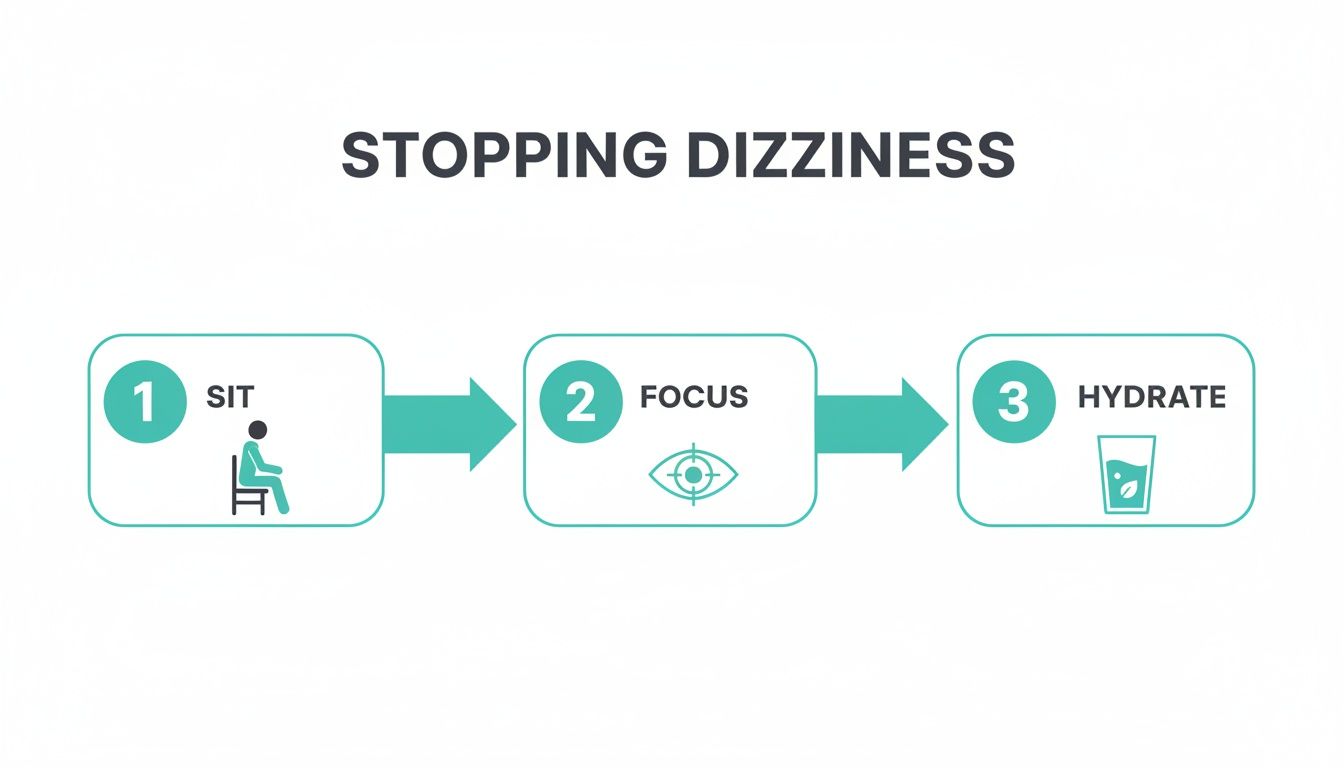 How to Stop Feeling Dizzy After Drinking A Practical Guide – Upside
Quick-Fix Flow Chart
Got the spins? Stop drinking immediately and take three slow breaths through your nose. Then eat something salty—a cracker, a pickle, or a few olives. This resets your electrolyte balance faster than waiting it out.
If the dizziness persists, check your posture. Tilt your head slightly forward (not back), as this reduces pressure on the inner ear canals. Pair that with a gentle blink—it’s not magic, it’s just respectful communication with your vestibular system.
The Irony of Hydration
Here’s the twist: many people avoid water because of this dizziness, which makes them more dehydrated. It’s a paradox worthy of a Murakami novel. You need water to live, but your body sometimes rejects the very thing it craves. The key is to befriend the process—make it ritualistic, not reactive.
So next time your head swims after a sip, smile. You’re not broken; you’re just dancing with your biology.
A Final Sip of Reflection
In the chaos of a busy day, we often treat water like a task—chug it, finish it, move on. But feeling dizzy is your body asking for a little more presence. Slow down. Breathe. Let the glass be a pause between emails, a small ceremony for the nervous system. That’s not fragility; that’s intelligence.
One glass, one sip, one deep breath at a time—you’re not just drinking. You’re learning the rhythm of your own ocean. And that’s a balance worth savoring, without the whirlies.
