How To Prevent Calcium Buildup In Water Heater

So, you’ve got a water heater. That big, metallic cylinder in your basement or closet that’s quietly working its magic, giving you hot showers and clean dishes. It’s a real tr...
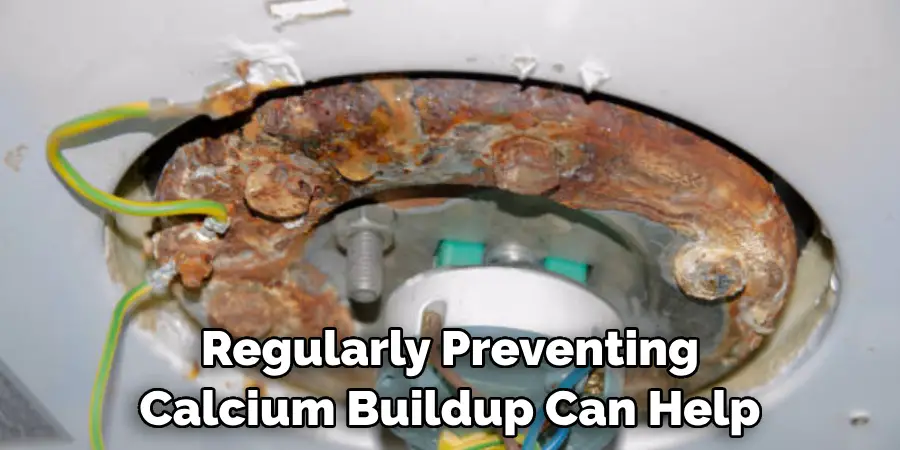
So, you’ve got a water heater. That big, metallic cylinder in your basement or closet that’s quietly working its magic, giving you hot showers and clean dishes. It’s a real trooper. But there’s a sneaky villain lurking inside it: calcium buildup. Think of it as the “chalky grump” that turns your efficient machine into a sluggish, noisy mess. But don’t worry, friend—you can outsmart it with a little know-how and a few easy habits.
Why Should You Care About Calcium?
First off, let’s get real about what this stuff does. Calcium is basically the mineral ghost of your water supply. It settles at the bottom of your tank, hardens into a crusty layer, and acts like a thermal blanket—but not in a good way. That blanket forces your heater to work extra hard to warm the water, which burns more energy and shortens its lifespan. Plus, it can lead to weird rumbling noises, like a giant’s stomach growling. Not cute.
But hey, you’re here, so you’re already winning. Let’s tackle this with a few simple tricks that are cheaper than a plumber and more fun than doing taxes.
Must Read
Tip #1: The Flush of Honor (Annual Sacrifice)
Once a year, you need to give your water heater a good flush. This sounds fancy, but it’s basically just draining a few gallons of water out of the tank to flush away sediment before it becomes concrete. Grab a garden hose, attach it to the drain valve at the bottom, and let the water flow into a bucket or a drain. Turn off the power or gas first—safety first, drama later.
Pro tip: Do this while you’re binging a show you’ve already seen. It’s boring but satisfying. You’ll see rusty, gritty water come out, and you’ll feel like a superhero. Own it.
Tip #2: Temperature Taming
Here’s a fun fact: higher water temperatures speed up calcium buildup because minerals are like teenagers at a party—they cling together when it’s hot. Keep your thermostat set around 120°F (49°C). That’s hot enough for a cozy shower but cool enough to slow down the mineral craziness. Plus, it saves energy, so your wallet thanks you too.
Don’t crank it up hoping for scalding-hot dishwater. You’re not a geothermal spa. Keep it chill, and your heater will love you.
 Water Heater Corrosion: Signs and How to Prevent It | Neighbourhood
Tip #3: Sacrificial Anode Rod—Your Secret Weapon
Inside your tank lives a hero in disguise: the anode rod. It’s a metal stick that attracts calcium and other minerals, so they attack it instead of your tank’s walls. But it gets worn down over time. Check it every 2-3 years by unscrewing it (or call a friend who’s handy). If it’s corroded more than 75%, replace it. It costs about $20 and saves you from a leaky, expensive disaster.
Think of it as a sacrificial lamb—but made of zinc or aluminum. No animals harmed, promise.
Tip #4: Vinegar Love (Yes, Really)
If you have an electric water heater, you can extend its life with a vinegar bath. Turn off the power, drain a few gallons, then pour about a gallon of white vinegar into the inlet. Let it sit for 30-60 minutes (vinegar is acidic and dissolves calcium like a charm). Then flush the system with fresh water. The smell will clear out, and your heater will be sparkling clean.
Your kitchen might smell like a salad for an hour, but that’s a small price for a happy heater. Light a candle; it’s fine.
Bonus Tip: Soft Water = Soft Life
If you live in an area with hard water (the kind that leaves white rings on your faucets), consider installing a whole-house water softener. It’s a bigger investment, but it removes calcium and magnesium before they ever reach your heater. Suddenly, your appliances, pipes, and even your skin feel happier. It’s like giving your entire house a spa day.
 How To Prevent Limescale In Water Heater at Alvin Harrell blog
But if that’s too pricey, a point-of-use water softener for just the heater is a smaller, cheaper option. Either way, softer water means less calcium drama.
Watch for Warning Signs
How do you know if calcium is already throwing a party in your tank? Listen for rumbling, popping, or banging noises. That’s the sound of steam bubbles trying to escape through the crust. Also, if your hot water runs out faster than usual, or you see rusty water from taps, it’s time to act. Don’t ignore the signs—your heater is yelling “HELP!” in the only language it knows.
When to Call the Pros
Look, I’m all for DIY, but sometimes you gotta wave the white flag. If your heater is over 10 years old, or you see puddles of water around the base, call a plumber. They have special tools to flush out severe buildup without breaking your tank. No shame in that game.
Remember, prevention is cheaper than replacement. A new water heater costs a lot more than a $20 rod or an hour of your time. So, be the boss of your buildup.
The Uplifting Finale
And there you have it, my friend. With a little yearly maintenance, a modest vinegar splash, and a perky thermostat setting, you can keep calcium from turning your water heater into a grumpy, expensive paperweight. Your future self—the one enjoying a long, steamy shower without a single rumbling noise—will be eternally grateful. You’ve got this. Your heater believes in you. And hey, if all else fails, you can always name the calcium layer “Bernard” and pretend it’s a weird pet. Just don’t let him grow too big. Happy flushing, and may your water stay hot, clear, and drama-free! 😊
