Why Is My Washing Machine Staining My Clothes

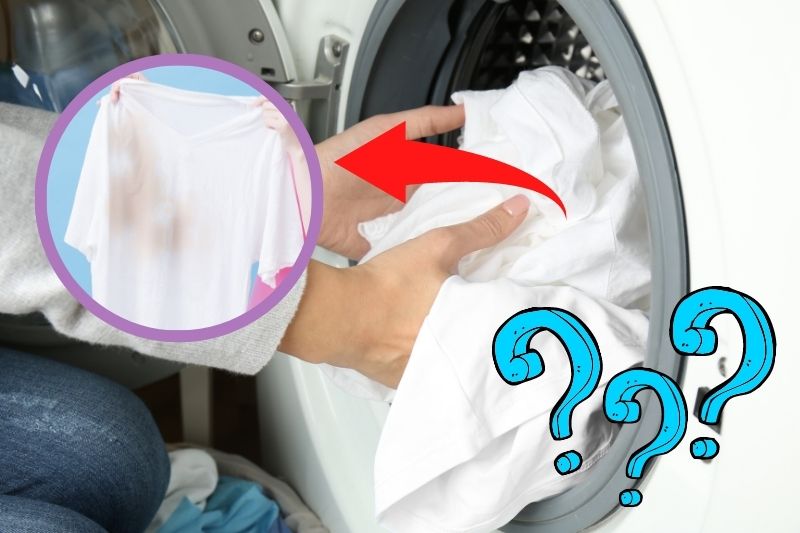
You pull your favorite white tee from the wash, and—bam—it looks like a Rorschach test in rust. Welcome to the club, the one where your washing machine has apparently taken up...

You pull your favorite white tee from the wash, and—bam—it looks like a Rorschach test in rust. Welcome to the club, the one where your washing machine has apparently taken up modern art. I’ve been there, staring at a formerly pristine sock that now resembles a leopard print reject from a 90s rave. It’s enough to make you wonder if your appliance is secretly plotting against your laundry basket.
The Usual Suspect: Old Grease and Grime
Think of your washing machine as a metallic stomach that rarely gets a good cleanse. Over time, it builds up a layer of nasty residue—a cocktail of fabric softener, detergent, and body oils. When this gunk sloughs off during a cycle, it can land on your clothes like a skid mark from a greasy spoon.
You might spot these stains as small, brownish smears that look suspiciously like chocolate. Only, you haven’t eaten chocolate in your laundry room. The fix is surprisingly simple: run a hot wash with two cups of white vinegar or a dedicated washing machine cleaner once a month.
Must Read
It’s like giving your machine a detox spa day. Trust me, your clothes will thank you by not resembling a Jackson Pollock painting.
A Rusty Betrayal
If your stains are orange or red, your machine might have a rust problem—like a car from a coastal town. Rust happen when moisture gets into the metal of your drum or a forgotten loose screw inside the lid. I once found a rogue nail under my machine that turned a white bedsheet into a tie-dye tragedy.
Check the inside of your drum for any chipped paint or exposed metal. If you see rust, scrub it with a paste of baking soda and water, then dry it thoroughly. For bigger issues, you may need to replace a part, which is cheaper than buying a new wardrobe.
Pro tip: Never leave a damp cloth in the drum overnight—it’s like inviting rust to a party with free snacks.
Too Much of a Good Thing: Detergent Overload
We’ve all done it: eyeball the detergent cap and think, “A little extra won’t hurt.” Wrong. That extra glug can leave a residue that doesn’t rinse out, especially in cold water. Your jeans then come out with white, powdery streaks that make them look like they’ve been dusted with powdered sugar.
I once used half a cup extra because I was in a rush, and my husband asked if the washing machine was now a bakery. The solution? Follow the damn instructions on the bottle. For a standard load, less is more—about two tablespoons of liquid detergent is plenty.
 How to Effectively Remove Stains with Your Washing Machine - Haier
If you already have these stains, rewash with a cup of white vinegar in the rinse cycle. It sounds like a kitchen experiment, but it works like a charm.
Mystery Oil from the Fabric Softener
Fabric softener is the sneaky culprit that nobody suspects. It’s basically oil that coats your clothes to make them feel soft, but it can clump up in the dispenser drawer. That greasy blob then lands on your shirt like a rogue butter pat from a diner.
I once pulled out a hoodie with a shiny, dark spot that felt exactly like a salad dressing stain. Turns out, the softener had hardened into a waxy lump. Clean your dispenser drawer with hot water and an old toothbrush every few weeks.
Better yet, try using a half cup of baking soda in the wash instead—it softens water without the oily drama. Your clothes will still be cozy, and you won’t look like you wrestled a bottle of Italian dressing.
The Dreaded Dye Transfer from a Hidden Pocket
Sometimes, the stain isn’t from your machine but from a renegade item you forgot to check. A red sock hiding in a load of whites can turn everything a lovely shade of pink. I once found a purple crayon in my son’s pocket that turned a load of towels into a toddler’s tie-dye project.
Always check pockets before loading—especially pens, crayons, and lip balms. If you see dye stains immediately, use a stain remover and rewash with cold water. And if you’ve already dried the load? Oof. That stain is now permanent, like a bad tattoo from a beach vacation.
 Why Is My Washer Machine Staining My Clothes at Mary Lloyd blog
Moral of the story: Be suspicious of every pocket. Treat it like you’re frisking a ninja.
Hard Water: The Invisible Stain-Maker
If your water is hard (mineral-rich), it can react with detergent and leave rusty or grayish stains on clothes. It’s like your laundry is being slowly tarnished by a mineral bath. I live in an area with hard water, and my socks started looking like they’d been dipped in rusty tea water.
You can test this by looking at your faucets for white buildup or asking your local water company. A simple fix is adding a half cup of borax or a water softener to each load. Alternatively, install a whole-house water softener if you’re feeling fancy.
Trust me, your clothes will stop looking like they fell into a construction site. And your coffee maker will thank you too.
When the Machine Itself Is a Mess
Finally, sometimes the problem is that your machine is just plain dirty—like that friend who says they’ll clean the room but never does. Mold and mildew can lurk in the rubber seal of front-loading washers, leaving black or green smudges on your clothes. I once gagged while cleaning the seal and found a fossilized sock from 2018.
Wipe down the rubber gasket with a bleach solution every month, and leave the door open after a load to let it dry. If you smell a musty odor, run a hot cycle with bleach (empty machine) to kill the mold. Your clothes will smell like a fresh spring morning instead of a damp basement.
Remember: A clean machine is a happy machine. And a happy machine doesn’t vandalize your favorite jeans.
