What Does Drinking Cold Water Do To Your Body

Ever reach for a glass of ice water on a hot day and wonder, what's actually happening inside me right now? It’s a simple act, but your body’s reaction is surprisingly complex...

Ever reach for a glass of ice water on a hot day and wonder, what's actually happening inside me right now? It’s a simple act, but your body’s reaction is surprisingly complex. Let’s chill out and explore the cool science, no lab coat required.
The Immediate "Brrr" Effect: A Quick Wake-Up Call
That first gulp of cold water is like a miniature alarm clock for your digestive system. Your esophagus and stomach walls feel the sudden temperature drop, which can cause them to contract. Think of it like a cold splash on your face, but for your insides.
This contraction might actually speed up your metabolism slightly, as your body burns a few extra calories to warm the water to your core temperature. It’s not a diet hack, but it’s a neat little party trick your body does without asking.
Must Read
Your Blood Vessels Have an Opinion
Here’s where it gets interesting: cold water can cause vasoconstriction—a fancy word for your blood vessels narrowing. This redirects blood flow away from your extremities and towards your vital organs. Have you ever felt a brief head rush after chugging ice water? That’s your body prioritizing core warmth over finger circulation.
It’s a smart survival move, but it’s also why some people get headaches from cold drinks. Your body is basically saying, “Whoa, let’s handle this internal blizzard first.”
The Hydration Curveball
We all know water is hydrating, but is cold water better at it? Surprisingly, yes—but only in certain situations. Studies suggest that ice-cold water is absorbed slightly slower in the stomach than room-temperature water. Your body has to warm it up first, which takes a tiny bit of time.
That said, cold water often tastes better, so you’re more likely to drink enough. And let’s be real, consistent hydration beats a science-optimized sip every time.
 Is Drinking Cold Water Bad for You? Risks and Benefits – Svalbarði
Muscle Recovery and That "Refreshed" Feeling
Athletes love cold showers for a reason, and your insides work the same way. Drinking cold water after a workout can help lower your core body temperature faster, reducing overall heat stress. It’s like giving your internal engine a quick cooldown after a race.
Some experts argue it might also ease muscle soreness by constricting inflamed blood vessels. Imagine it as a gentle, internal ice pack for your gut—without the mess of a leaky bag.
The "Brain Freeze" Mystery
We’ve all felt that sharp, sudden pain behind the eyes when gulping a slushie too fast. That’s sphenopalatine ganglioneuralgia (yes, that’s a real term). Cold water triggers a rapid constriction of blood vessels in your palate, and your brain interprets the signal as pain from the forehead.
It’s harmless and lasts only seconds, but it’s a funny reminder that your brain and mouth don’t always share a translator. The cure? Press your tongue against the roof of your mouth—it warms up the area and resets the chat.
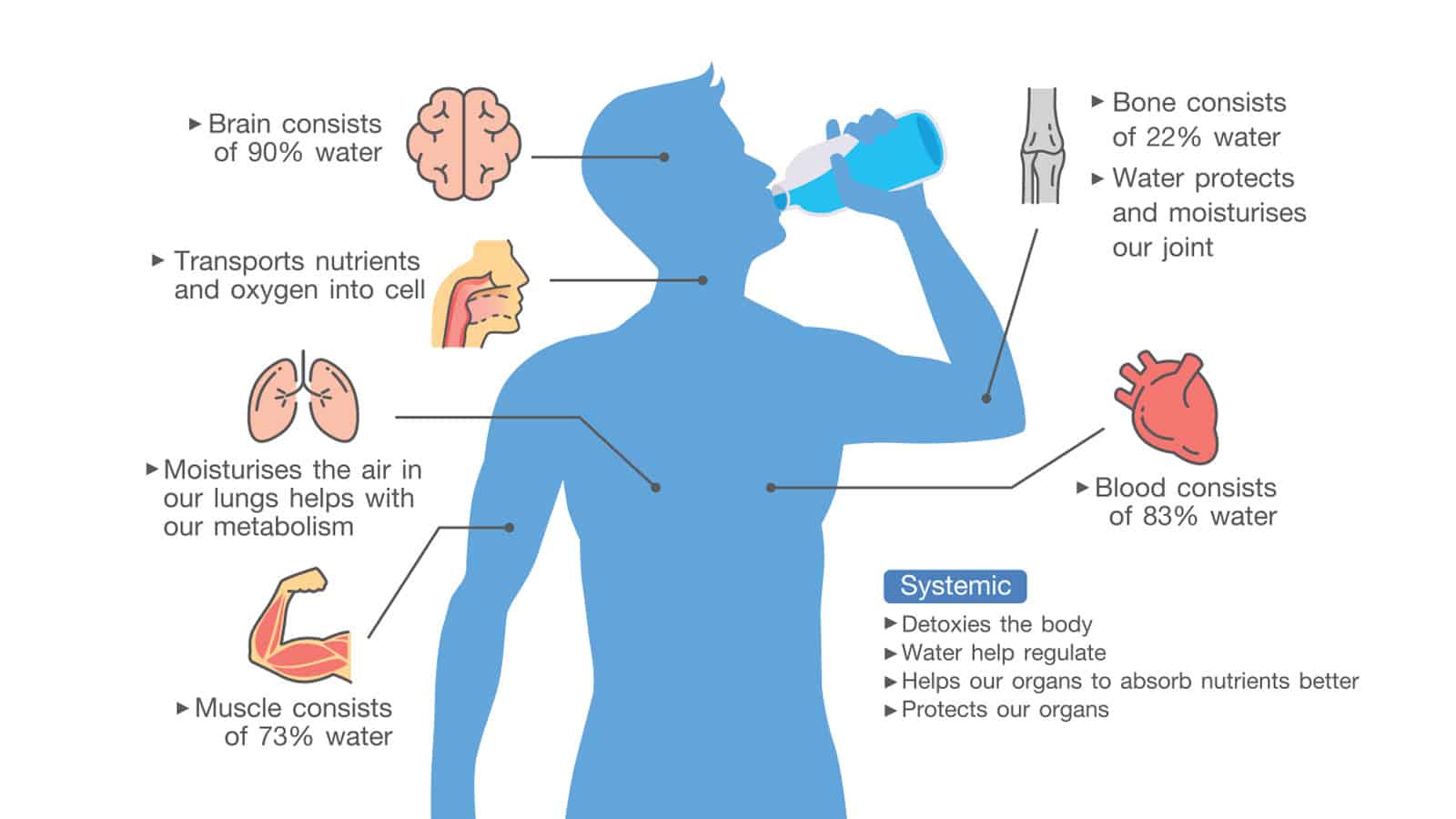 Scientists Explain What Happens to Your Body When You Drink Water Every
Is It Bad for Digestion? The Old Wives’ Tale
You’ve probably heard that cold water “solidifies fats” or slows digestion. Here’s the truth: your body is a terrific thermostat. By the time water hits your small intestine, it’s already body temperature. Any fat or food particles are completely unaffected by your drink’s original temperature.
So no, cold water doesn’t ruin digestion. In fact, it might even help you swallow food more comfortably. The old warning is just a folk tale that’s been chilling out for too long.
The Big Picture: Chill or Not?
So what does drinking cold water really do? It wakes you up, burns a few bonus calories, and helps you cool down fast. It might slow hydration by a fraction, but it makes you want to drink more. Is it a miracle elixir? No. Is it a bad habit? Also no.
Listen to your body. If an icy glass feels amazing on a summer afternoon, go for it. If you prefer warm tea in the winter, that’s fine too. Your body is smart enough to handle both—just maybe sip the slushie a bit slower unless you enjoy a free, mini headache.
Stay hydrated, stay curious, and don’t overthink the ice cubes. They’re just frozen water trying to make your day a little cooler.
