How To Tell If Water Softener Is Regenerating

Let’s be honest: if you own a water softener, you probably spend more time ignoring it than thinking about it. It’s that silent, squat appliance in the garage that you say “th...
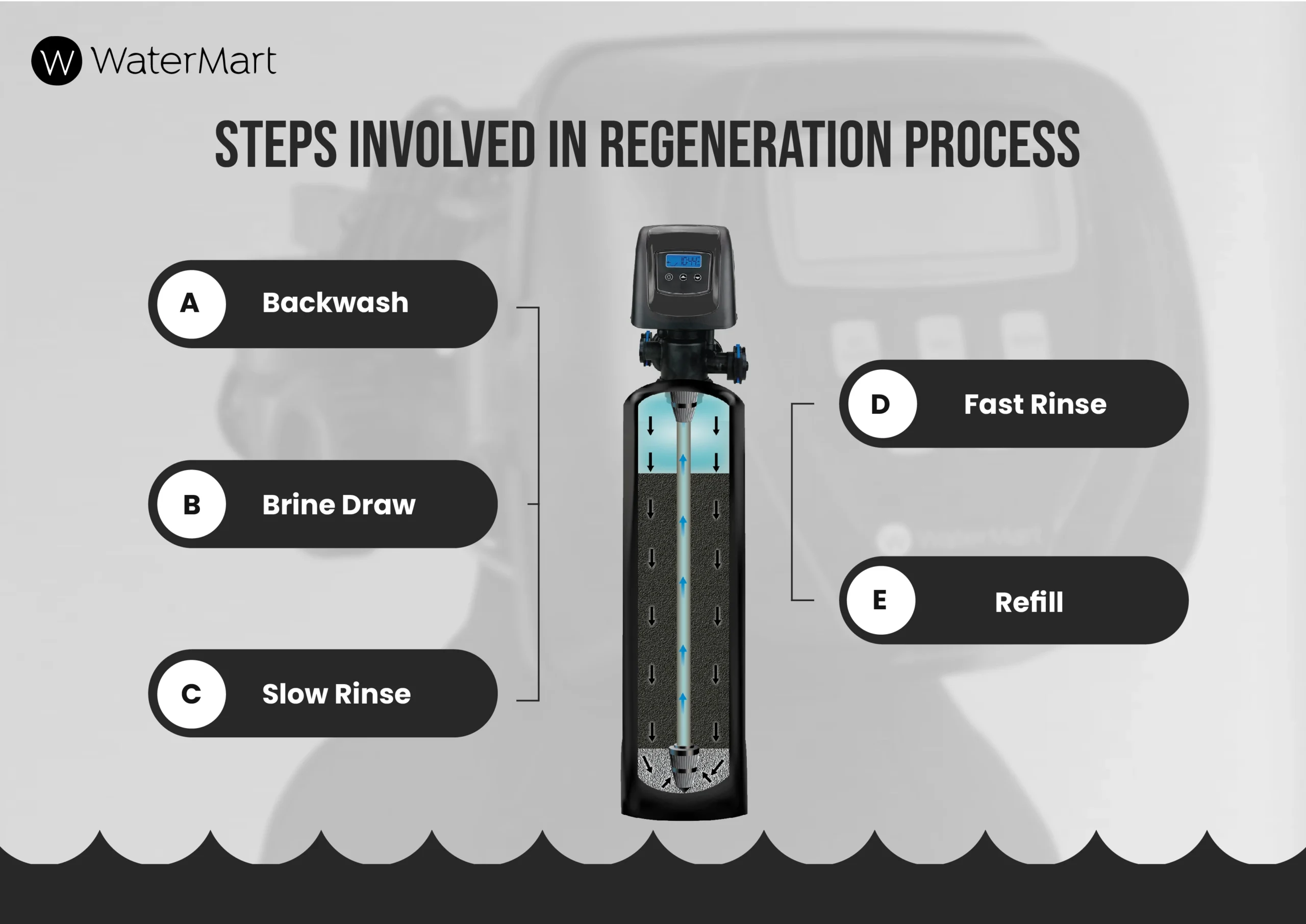
Let’s be honest: if you own a water softener, you probably spend more time ignoring it than thinking about it. It’s that silent, squat appliance in the garage that you say “thanks” to every time your soap lathers up like a rock star. But every so often, it throws a quiet little tantrum called regeneration.
This is when the softener flushes out all the nasty minerals it’s captured, like a giant, thirsty salt monster burping after a big meal. The trick is knowing when your machine is actually regenerating—and when it’s just taking a nap. Because let’s face it, mistaking a power outage for a work cycle makes you feel like a plumber who can’t find the drain.
The Great Spider-Crawl of Sound
First up: listen. Your softener is normally quieter than a librarian on a coffee break. When it starts regenerating, it suddenly sounds like a small, angry robot is tap-dancing inside a metal barrel. You’ll hear a faint, rhythmic whoosh followed by a weird, gravelly gurgle.
Must Read
I call it the “spider-crawl” because it sounds like a thousand tiny legs dragging across wet sand. If you’re standing nearby and hear that, do not panic. It’s not a plumbing demon—it’s just your softener cleaning itself with the enthusiasm of a teenager finally unbanned from the shower.
If you hear nothing at all for days, your unit might be broken. Or it’s too busy being polite. A slient softener is a happy softener, but a regenerating one has a little personality.
The Water Pressure Comedy Show
Here’s where things get real: turn on a tap during regeneration and you’ll witness a dramatic drop in water pressure. It’s like the softener suddenly says, “Sorry, I’m on a conference call—hold your horses.” You’ll go from a satisfying, full-blast stream to a sad, dribbling trickle that makes filling a glass feel like a marathon.
I once tried to wash a pan during regeneration. The water came out so weakly that it just stared at the grease and gave up. If your sink starts mimicking a dehydrated cat in a desert, your softener is definitely regenerating.
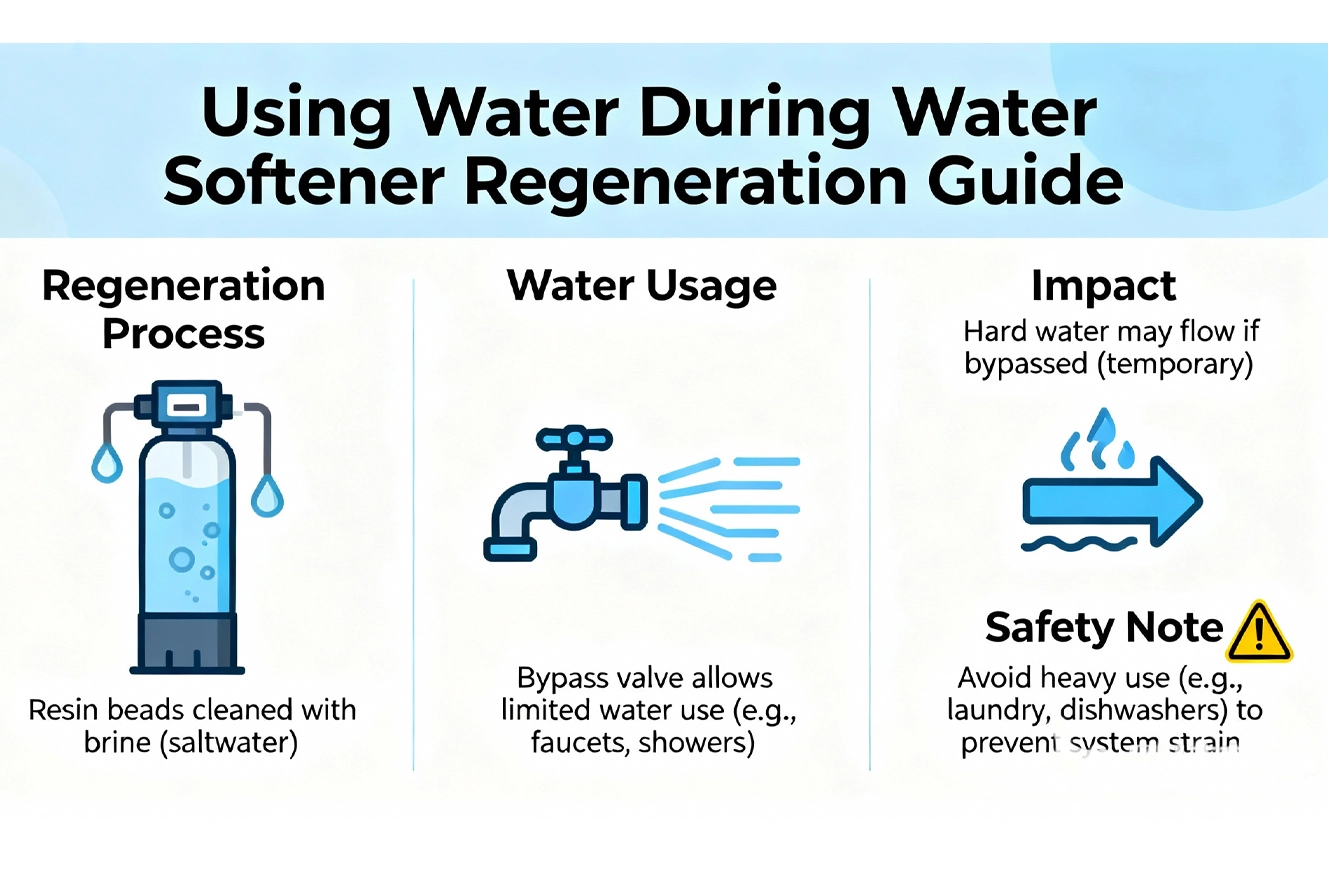 Can You Use Water While Softener Is Regenerating-BasideWT
This is also a great time to avoid running the washing machine or dishwasher. Trust me, you don’t want your clothes to end up half-rinsed with a crunchy salt residue. It’s like wearing a suit made of pretzels.
That Salty Smell (and Other Odors)
Your water softener lives for salt. During regeneration, it flushes that briney solution through a resin tank. So if you catch a whiff of something that reminds you of a beach vacation—but, like, the industrial part of the beach—that’s a dead giveaway.
Don’t be alarmed if the water coming out of your kitchen faucet smells slightly of ocean air for a few minutes. It’s just the softener exhaling. If the smell smells like rotten eggs, though, that’s not regeneration—that’s a sign of sulfur bacteria, and you should call a plumber before your house turns into a swamp monster’s lair.
Pro tip: if you have a salt bridge (a crusty layer of salt that blocks the brine), your unit might try to regenerate but fail miserably. It’s like trying to run a marathon in snowshoes—someone forgot to break the ice.
The Time-Travel Trick (Your Timer Is Your Friend)
Most modern softeners are set to regenerate in the middle of the night, usually around 2 a.m. Why? Because nobody wants to wake up to a 2 a.m. shower where the water just winks at you. If you hear those spider-crawl sounds at 2:17 a.m. while hunting for a snack, you’ve caught the softener red-handed—or red-brined.
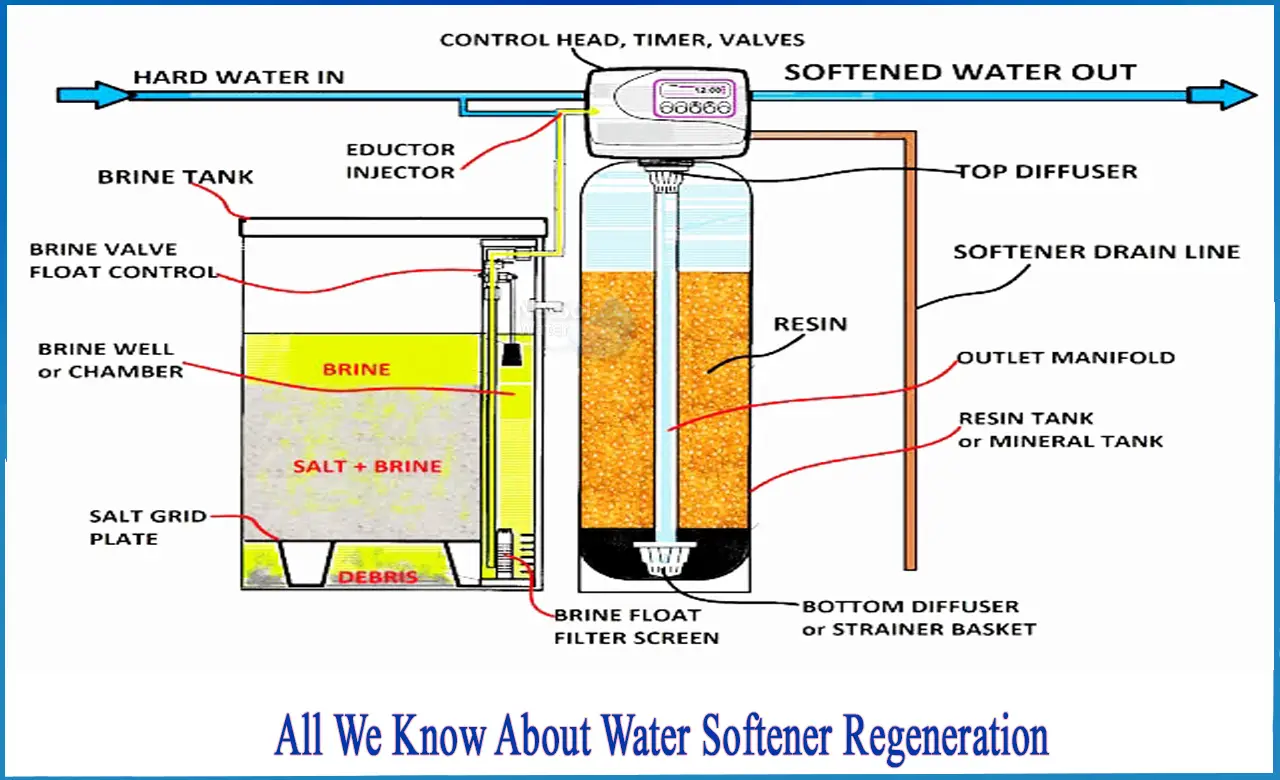 How Long Does It Take To Regenerate A Water Softener | Detroit Chinatown
If your softener is regenerating during the day, it might be on-demand or just broken. Check the little display. Flashing lights or a number that reads “REGEN” are like a digital promise that it’s working. No lights? Anyone? Hey, maybe it’s trying to save electricity.
Remember, your softener doesn’t have a calendar. It regenerates based on water usage, not holidays. So if you had twenty guests over for a pool party, it might regenerate at noon on Saturday and totally ruin your dishwashing plans. That’s life, baby.
The Final Sip Test (And a Slice of Pizza)
After you’ve heard the noises, felt the weak pressure, and sniffed the salty air, the definitive test is the water itself. Grab a glass of cold water from the faucet about 30 minutes after the cycle ends. If it tastes clear and crisp—like a mountain stream that accidentally won an award—the regeneration worked perfectly.
If it tastes salty or like you licked a pretzel, you might have a stuck valve or a brine leak. That’s like getting a pizza delivered but someone ate the toppings. Annoying, but fixable.
In the end, knowing how to tell if your water softener is regenerating is like knowing when your dog needs a walk. The signs are there, they’re funny, and ignoring them just leads to a mess. So next time you hear that gurgle, give your softener a nod. It’s just doing its job—one salty, noisy, low-pressure regeneration at a time.
