How To Get Rid Of Lime Deposits In Dishwasher

Let’s be honest: nobody wakes up dreaming about a sparkling dishwasher interior. But here’s the secret—a little science can turn this chore into a tiny victory party. You know...
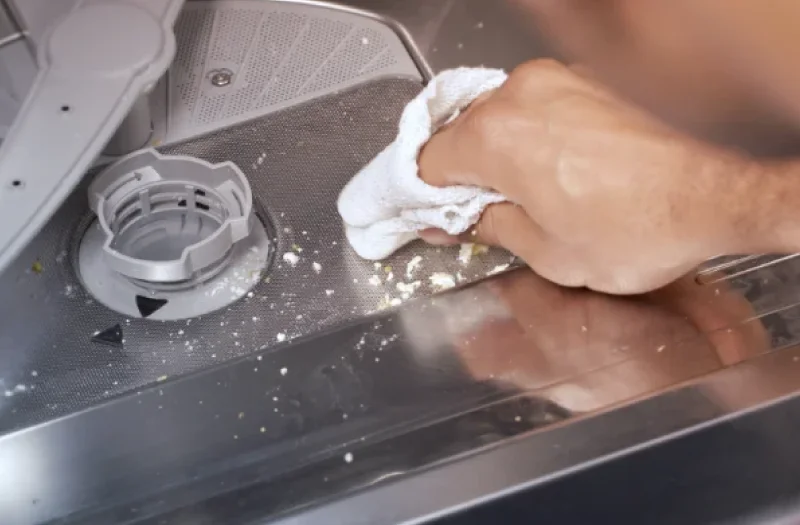
Let’s be honest: nobody wakes up dreaming about a sparkling dishwasher interior. But here’s the secret—a little science can turn this chore into a tiny victory party. You know that white, crusty buildup on your glasses and racks? That’s lime, or calcium carbonate, and it’s basically the ghost of hard water past.
But here’s the good news: you can banish it with things you probably already own. And the best part? Once you learn the trick, your dishwasher will work better, your dishes will be sparkling, and you’ll feel like a kitchen wizard. So, grab your vinegar and baking soda—we’re about to make some magic.
Why does lime even show up?
Think of your dishwasher as a tiny washing machine for your plates. When the water’s hard (loaded with minerals), those minerals don’t just disappear—they stick to everything like little rock barnacles. Over time, they clog spray arms, cloud glassware, and make that once-pristine machine look like a neglected science experiment.
Must Read
But don’t panic! You are the boss of this machine, not the lime. With a quick weekly reset, you’ll reclaim your dishwasher’s mojo and maybe even impress your friends with your DIY skills.
Step 1: The Vinegar Volley – your first weapon
You need white vinegar—the unsung hero of the cleaning world. Pour a cup of it into a dishwasher-safe bowl and place it on the top rack. Then, run a hot water cycle (no detergent!).
What happens? The acetic acid in vinegar dissolves that lime like candy in hot tea. Your machine will emerge cleaner, fresher, and you’ll hear it sigh with relief. Trust me, it’s a satisfying sound.
But wait—there's more! To supercharge this trick, stop the cycle mid-way (around 15 minutes in) and let the vinegar sit for an hour. The extra soak time breaks down stubborn deposits like a spa treatment for your hardware.
 How To Clean Limescale In Dishwasher at Rudolph Miller blog
Step 2: The Baking Soda Bounce – the finishing touch
After the vinegar cycle, your machine might still smell faintly like a pickle factory. That’s where baking soda struts in. Sprinkle a cup of it across the bottom of the dishwasher (yes, directly on the wet floor). Then run a short, hot rinse cycle.
Baking soda is the fairy godmother of odors and residues. It will neutralize any lingering vinegar smell, buff away leftover gunk, and leave your dishwasher smelling like fresh laundry (weird but wonderful). Now your machine is ready for real work.
But what about those cloudy glasses?
Your glasses are the canary in the coal mine of lime buildup. If they come out foggy, don’t just sigh—take action. Soak them in a bowl of warm vinegar for 30 minutes, then scrub gently with a soft sponge. Rinse. Dry. Voilà! They’ll be so clear you’ll think you bought new ones.
And here’s a pro tip for prevention: add a tablespoon of citric acid (sold in the canning aisle or online) to each wash cycle. It’s like a daily vitamin for your dishwasher—keeps lime from even thinking about settling in.
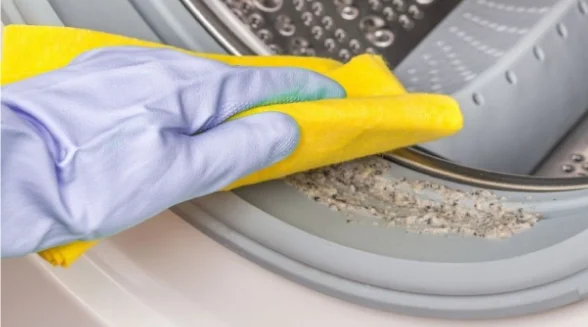 Remove Lime Deposits in Dishwasher | Hard Water Cleaning Tips
When all else fails: the deep-clean dance
If your dishwasher is still sad despite your efforts, it’s time for the full routine. Remove the bottom rack, pull out the spray arm (check your manual—it usually unscrews), and scrub it with a brush and vinegar. Blake it out with water. Then, run a hot cycle with both vinegar and baking soda in a tag-team rhythm: vinegar on the top rack for one cycle, then baking soda on the bottom for the next.
This is not a boring chore—think of it as a spa day for your dishwasher. You’re giving it a massage, a detox, and a pep talk. By the end, it will run quieter, cleaner, and thank you with spotless plates.
The real secret? You’re a problem-solver now.
Look at you—you just turned a household nuisance into a victory lap. You learned why lime forms, how to fight it, and how to prevent it. That’s not just cleaning; that’s mastery. Next time a friend complains about cloudy glasses, you’ll casually drop a tip about vinegar and baking soda, and they’ll think you’re a genius.
And here’s the inspiring part: this skill opens a door. Once you master lime removal in the dishwasher, you’ll start seeing hard water problems everywhere—kettles, coffee makers, showerheads—and you’ll know exactly how to handle them. You’re not just cleaning; you’re becoming the hero of your home.
So go ahead—give your dishwasher a little love today. Pour that vinegar, sprinkle that baking soda, and let the fizzing sound of progress remind you that even the smallest tasks can make life brighter, shinier, and way more fun. And hey, if you want to learn even cooler tricks—like how to descale a coffee maker with lemon juice, or remove rust with a potato—stay curious. The world is full of fizzy, friendly chemistry, and you’re just getting started.
