Why Is My Dishwasher Leaving A White Residue

The other night, I pulled open my dishwasher with the kind of optimistic flourish usually reserved for a magic trick. I was expecting sparkling glasses, the triumphant finale...

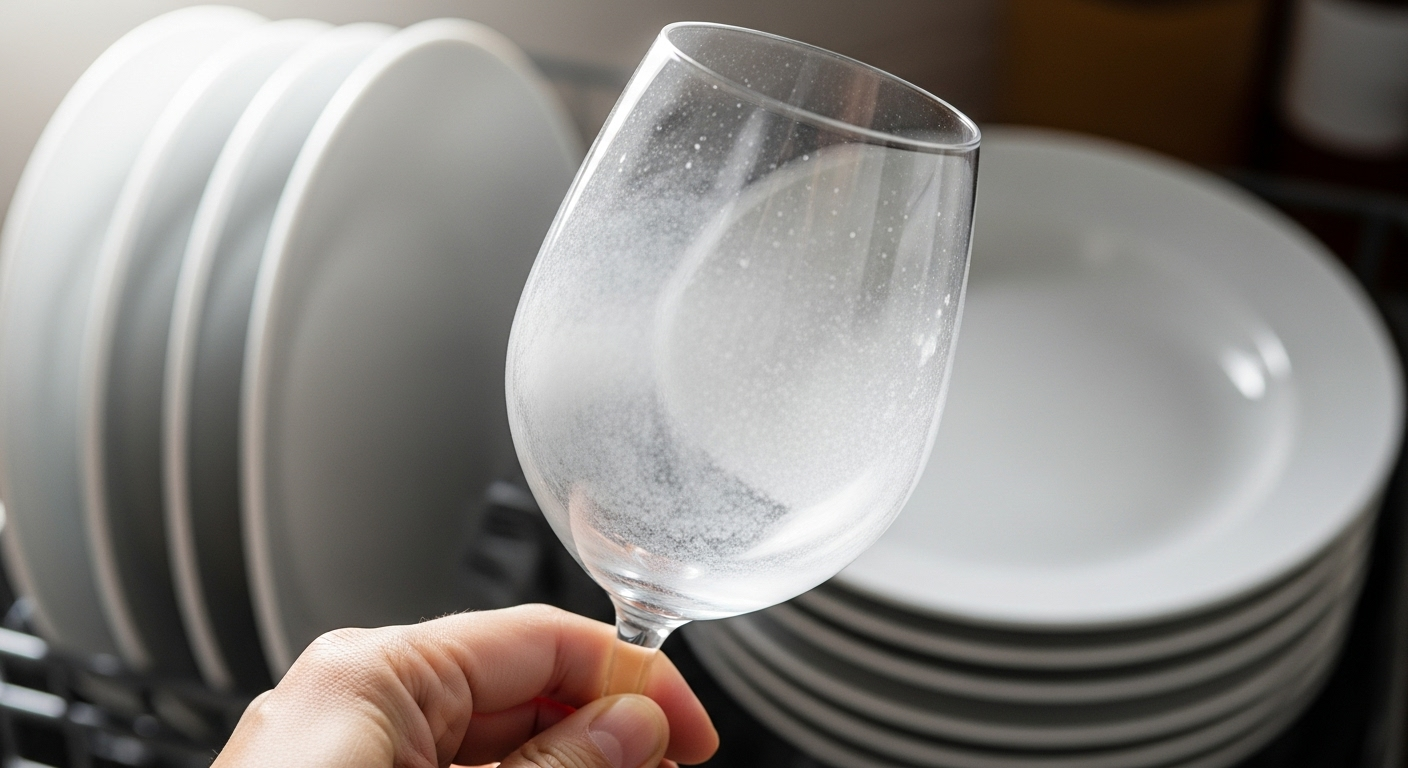
The other night, I pulled open my dishwasher with the kind of optimistic flourish usually reserved for a magic trick. I was expecting sparkling glasses, the triumphant finale to a meal well cooked. Instead, I was greeted by plates that looked like they’d been dusted with a pale, chalky ghost. My beautiful wine glasses? They looked like frosted windows in an abandoned cabin. My first thought was that the dishwasher had somehow turned into a low-budget snow machine. My second was the question that now haunts you, too: why is my dishwasher leaving a white residue?
Let’s get one thing straight—this isn’t just about aesthetics, though it is pretty annoying. That white film is a sign that something in your cleaning cycle is out of whack. It’s a cry for help from your machine. And don't worry, we’re not diving into an engineering degree here. We’re going to figure out the culprit together, one crunchy cup at a time.
The usual suspect: Hard water
Chances are, the villain in this story is your water supply. If you live in an area with hard water, it’s packed with minerals like calcium and magnesium. When your dishwasher heats that water and then dries it, those minerals are left behind. It’s like a tiny, unwanted mineral art project all over your plates.
Must Read
This residue is officially called “limescale” or “calcite.” It’s the same stuff that clogs your coffee maker and makes your shower head look crusty. The irony? Your dishes might actually be cleaner than you think—they just look terrible because of the chemistry. Small comfort when you’re trying to impress dinner guests, right?
Your main weapon: Rinse aid
Here’s the part where I ask a nosy question: are you using rinse aid? If you answered “what’s that?”—we’ve found our problem. Rinse aid is a miracle worker. It contains surfactants that break the surface tension of water, so it sheets off your dishes instead of clinging on and drying into spots. Think of it as rain-x for your cutlery.
Please, fill that little compartment. The light is on for a reason. If you already use it and still see white film, you might need to adjust the dosage setting. Most machines let you dial it up. Go ahead—push that button. Your glasses will thank you.
 common dishwasher problems solutions Guides | Need a New Dishwasher
The sneaky duo: Detergent and temperature
Sometimes the residue is not the water’s fault—it’s your detergent’s fault. Using too much detergent can leave a white, hazy film, especially if you’re using a cheap powder in a modern machine. The powder doesn’t dissolve completely, and it bakes onto your plates like a sad, edible-looking crust.
Or, you might be using too little. Yes, it’s a Goldilocks situation. If your water is hard, you need more detergent to combat those minerals. Also, check your water temperature. If your dishwasher isn’t getting hot enough—ideally 120°F to 140°F—the detergent won’t activate properly. It’s like trying to bake a cake in a lukewarm oven. Spoiler: it won’t work.
A quick detour: your salt dispenser
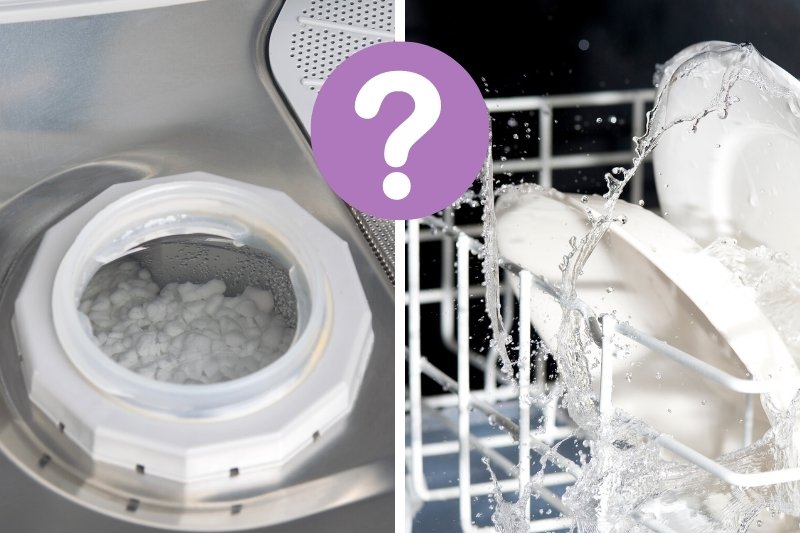
If you live in a hard water area and your dishwasher has a water softener built in, there’s a secret compartment you might be ignoring. It’s usually at the bottom of the machine, and it needs special dishwasher salt. This salt regenerates the softener, stripping out the minerals before they hit your dishes. Forgetting to fill it is basically letting the hard water run wild. Check your manual—I know, I know, nobody reads manuals. But this one is worth two minutes of your life.
 Why Is My Dishwasher Leaving a White Chalky Residue on Everything?
When all else fails: the machine needs a bath
Sometimes the white residue isn’t from what you’re washing—it’s from what’s built up inside the machine. Over time, grease, soap scum, and limescale form a crusty layer on the heating element and spray arms. That gunk can re-deposit onto your dishes. Gross, but fixable.
Grab a dishwasher cleaner—the kind in a little plastic bottle that you throw in the bottom. Run an empty cycle on the hottest setting. If you want to go full DIY, use a cup of white vinegar in the top rack and a bowl of baking soda on the bottom. It’s like a spa day for your machine. Your nose might thank you, too, because those cycles often smell like a science experiment.
One last thing: loading technique
I’m going to sound like your mom here, but how you load the dishwasher actually matters. If you’re nesting bowls inside each other or stacking plates too tight, water can’t reach every surface. The trapped water dries into that white film you hate. Spread that stuff out. Give each item some breathing room. Angle them so water doesn’t pool. It’s not rocket science; it’s just common sense that we all forget after a long day.
Quick recap before you go: If your dishwasher is leaving a white residue, check your water hardness first, then buy some rinse aid. If that doesn’t work, adjust your detergent and water temperature. Clean the machine itself. And for crying out loud, don’t be a hero with the loading—give your dishes some space. Now go forth and enjoy a sparkly, ghost-free glass. You’ve earned it.
