Where Does The Water That We Drink Come From

Alright, let’s talk about the most boring, essential miracle in your life: the water you drink. You take a sip, and it’s basically a time-traveling, globe-trotting, sewage-scr...
Alright, let’s talk about the most boring, essential miracle in your life: the water you drink. You take a sip, and it’s basically a time-traveling, globe-trotting, sewage-scrubbing drama queen. That clear, tasteless liquid in your cup has a backstory wilder than a soap opera.
Your Tap Water’s Secret Past Life
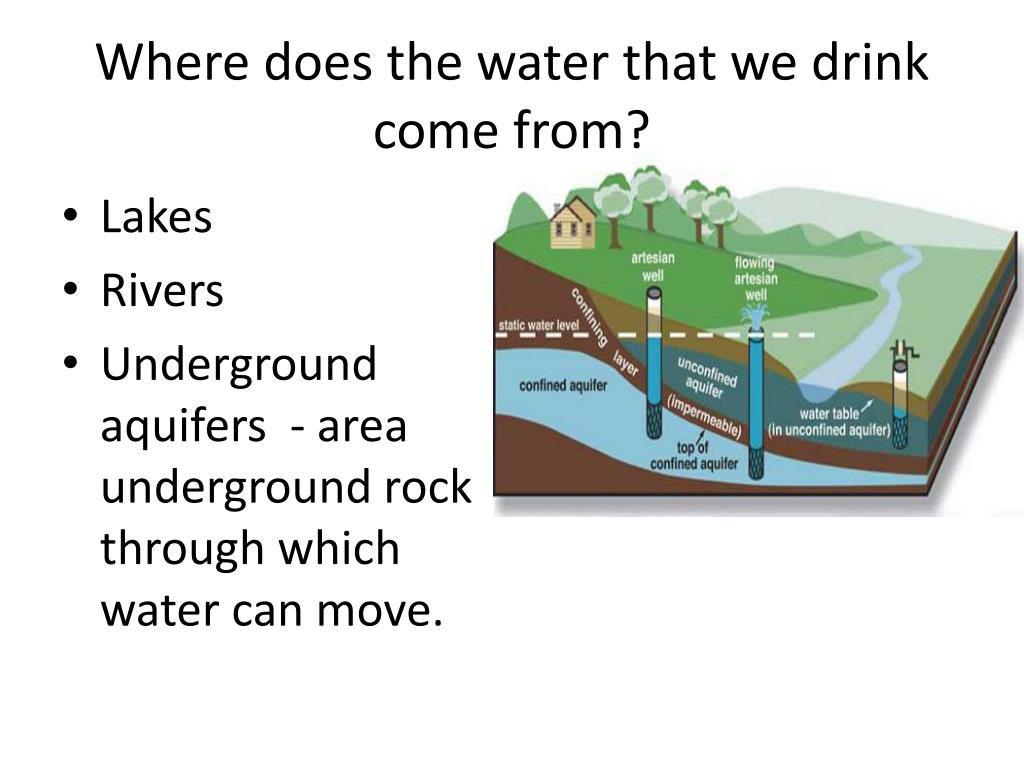
First, let’s tackle the obvious: that water didn’t just appear from the magic pipe fairy. Seventy-one percent of Earth is water, but you can’t just slurp from the ocean without turning into a human salt lick. Most of your drinking water comes from two places: lakes and rivers (surface water) or underground aquifers (giant, dark sponges of rock).
Think of aquifers as nature’s secret basement pool parties. Rain falls, soaks through the dirt, and hangs out underground for thousands of years. When you drink from a well, you’re chugging water that was last touched by a woolly mammoth. No big deal.
Must Read
But here’s the real punchline: the H₂O molecules in your glass have already been drunk by someone else. Probably a dinosaur. Definitely a medieval knight. And yes, that weird guy from the cubicle next door. Water recycling is the original “sharing economy.”
The Journey from Cloud to Mouth
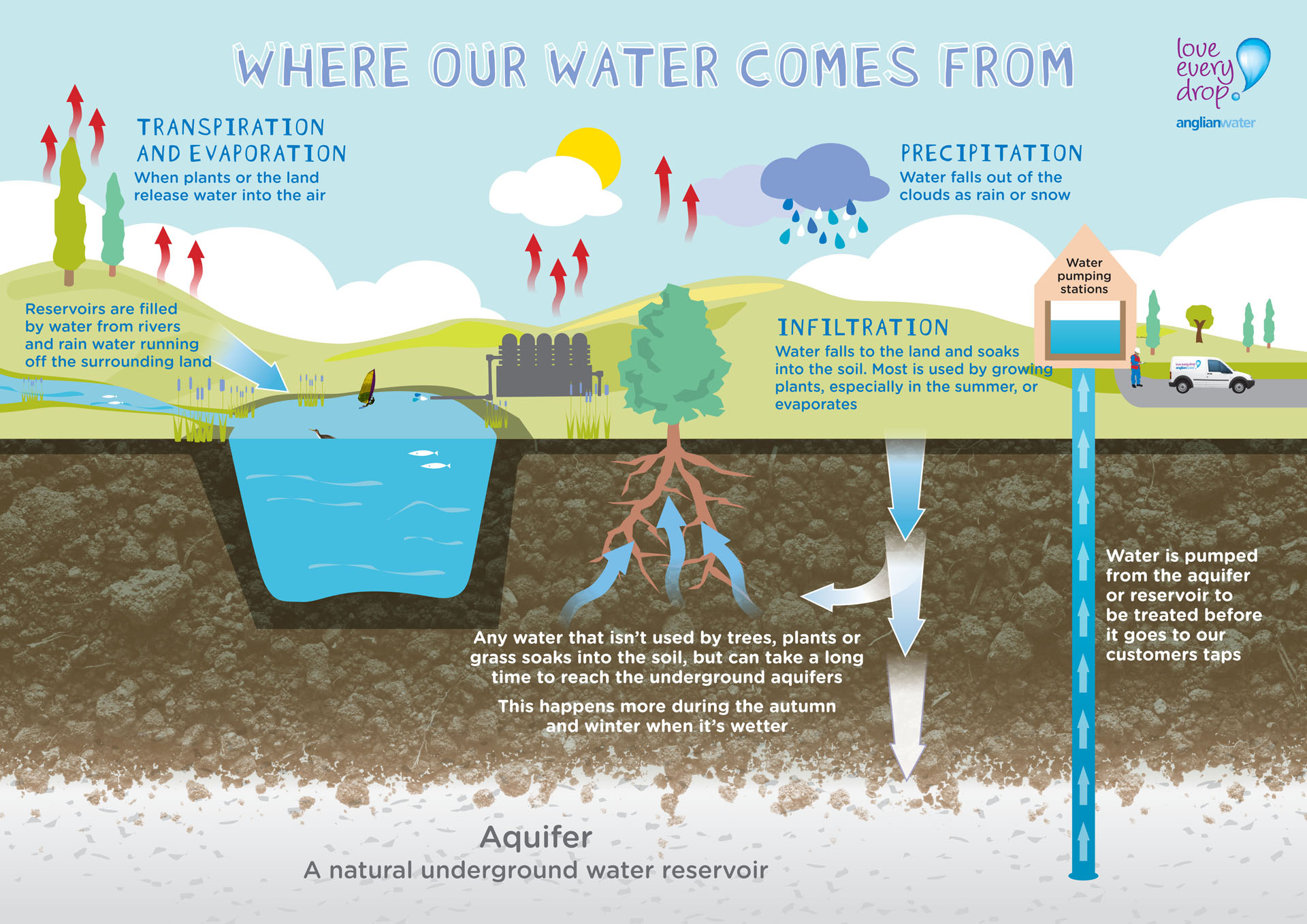
Let’s trace a single drop. It starts as evaporation—the ocean sweats into the sky. That’s right, your water began as ocean sweat. Sounds gross? Wait until you hear about the filtering step.
That vapor floats up, cools, and becomes a cloud. Clouds are just lazy water in group therapy. They drift over a mountain, get squeezed by cold air, and fall as rain. One inch of rain on one acre is 27,000 gallons of water—enough to fill 408 bathtubs. So, yes, nature has a serious drinking problem.
Then the rain hits the ground. Ideally, it lands in a pristine reservoir. Realistically, it lands on a squirrel, runs through a cow pasture, and picks up a bit of dirt. That’s where the real hero comes in: the water treatment plant.
 Where Our Water Comes From , Where Does Our Drinking Water Come From
Your Water’s Trip to the Spa
Imagine the world’s most intense car wash for liquid. Your water goes to a facility that is basically a day spa for H₂O. It gets settled, filtered through sand and gravel, zapped with ozone, and then given a gentle chlorine massage to kill any leftover bacteria.
They even add fluoride to protect your teeth. That’s right—someone decided your water needed a dental plan. And a tiny bit of orthophosphate is added to stop old lead pipes from poisoning you. It’s like putting a Band-Aid on the plumbing system’s midlife crisis.
After this spa treatment, your water is cleaner than 99% of surface water on Earth. It’s safer than any bottled water in a blind taste test. But nobody believes that because marketing told you glaciers are pure. Glaciers are just frozen old snow with a good PR agent.
The Bottled Water Scam (and the Good News)
Let’s pause for bottled water. Forty percent of bottled water is just tap water in a fancy disguise. Companies like Aquafina and Dasani literally bottle municipal tap water. They filter it a little, add some electrolytes “for taste” (you know, like adding salt to popcorn), and sell it for 300 times the price.
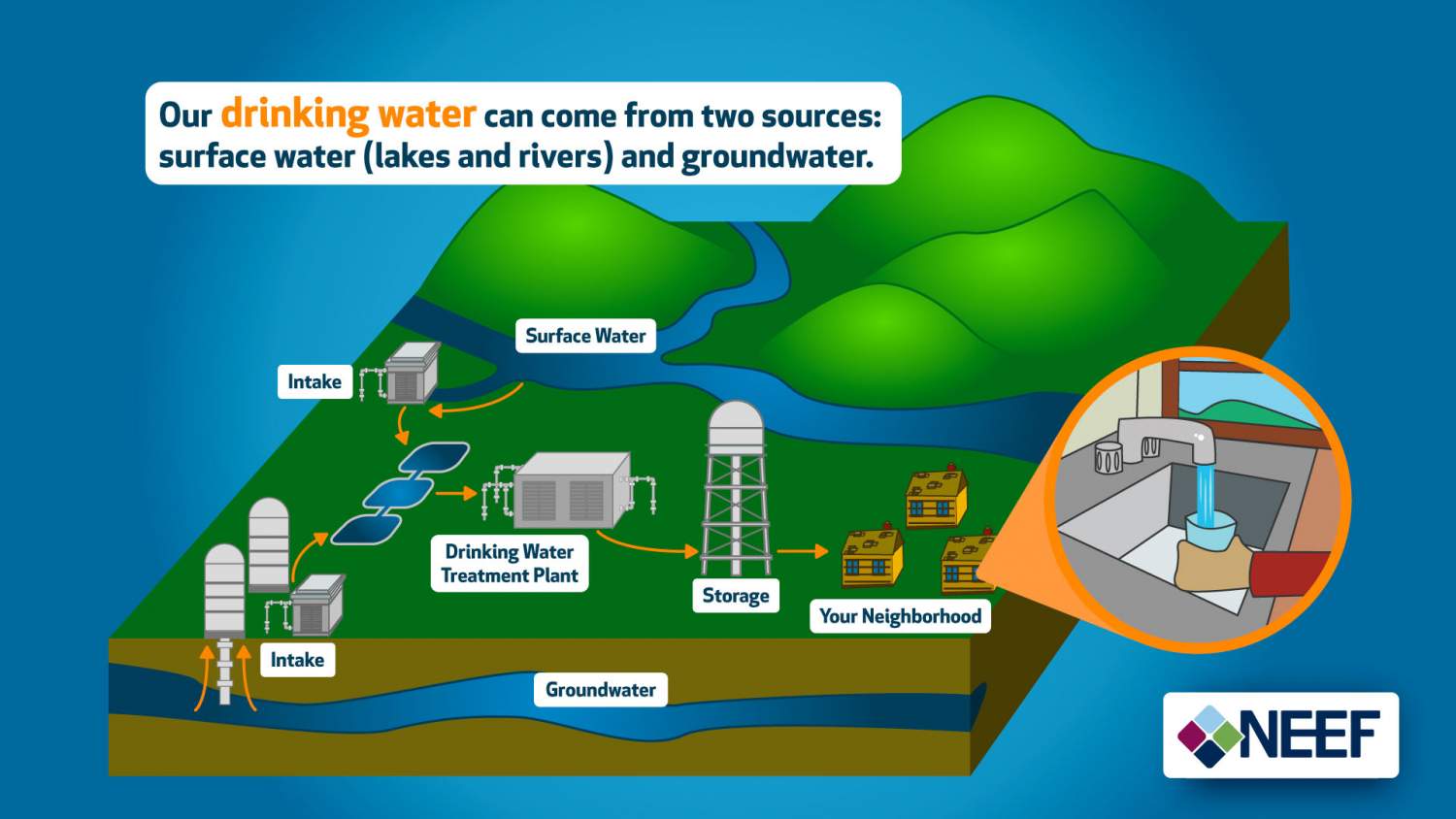 Diagram Of Why We Should Drink Water Importance Water Stock
Meanwhile, tap water costs less than a penny per gallon. Let that sink in. You can fill a swimming pool for the price of a latte. And that latte’s water? Also from the tap.
But here’s the surprising fact: the water you’re drinking right now might be older than the sun. Some of Earth’s water predates the formation of our solar system. It came from icy comets and asteroid dust that smashed into Earth billions of years ago. You are drinking space debris that was cooked in a planet’s belly. Cool? Terrifying? Both.
The Funny, Fragile System
Now, the bad news in a funny way: your water source is totally vulnerable. A single beaver can destroy a city’s water supply by damming the wrong stream. A truck crash spilling chemicals can shut down a reservoir for weeks. One lightning strike at a treatment plant can make you boil water for two days.
And we haven’t even talked about PFAS (the “forever chemicals” from non-stick pans). They’re in 45% of tap water. But don’t panic—your liver is surprisingly good at ignoring microscopic threats while you go about your day. It’s a feature, not a bug.
So next time you fill a glass, give it a little salute. That water fell from space, filtered through dinosaur pee, got scrubbed by a machine, and now sits politely in your cup. It’s a traveler, a survivor, and a freeloader who never pays rent. Drink up. You’re literally toasting to the cosmos.
