How To Treat Coliform Bacteria In Well Water

So, you got a water test back. It says coliform bacteria. Your first thought? “Is my well throwing a tiny, invisible party?” Kinda! Coliform bacteria themselves are usually ha...
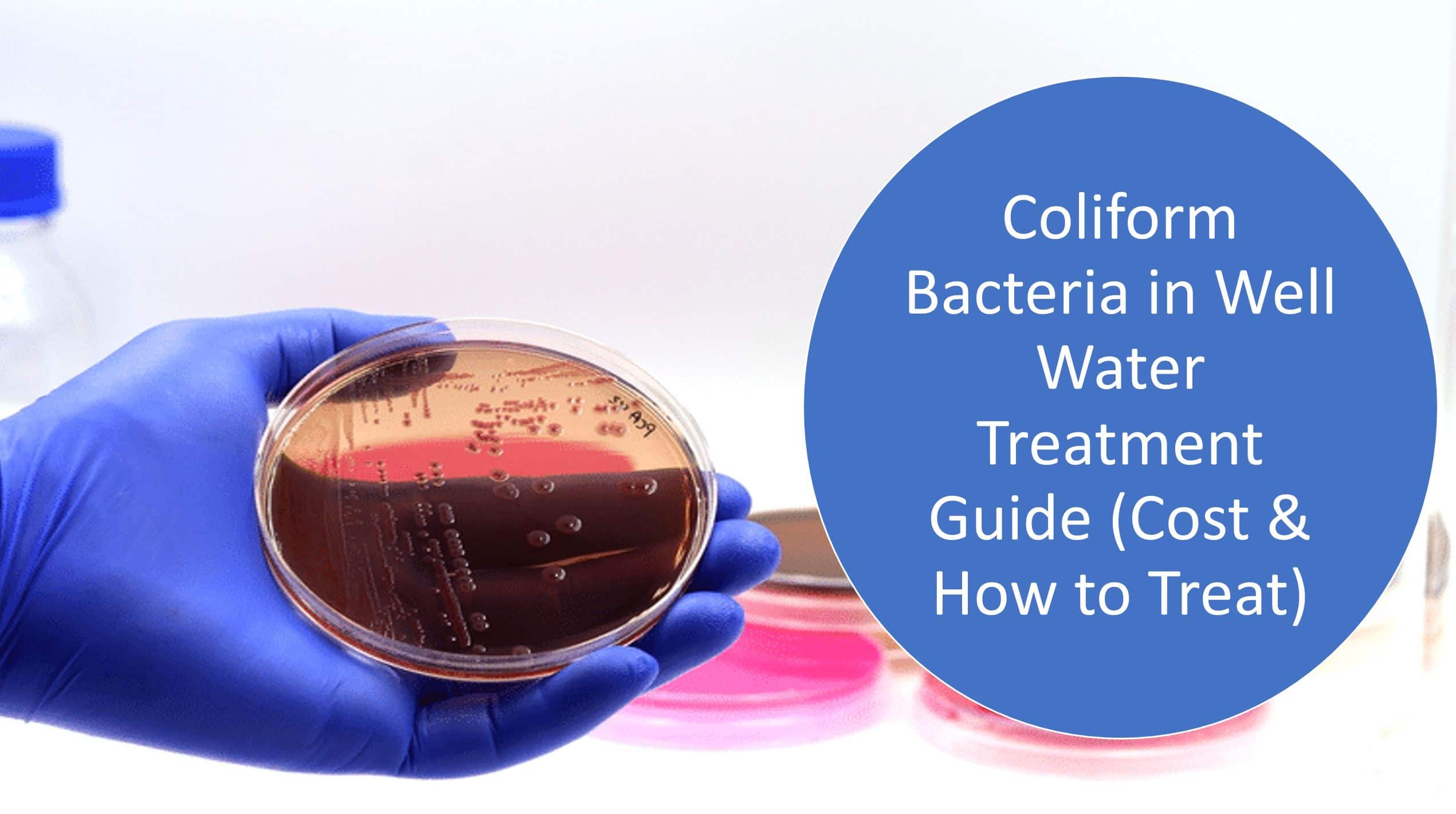
So, you got a water test back. It says coliform bacteria. Your first thought? “Is my well throwing a tiny, invisible party?”
Kinda! Coliform bacteria themselves are usually harmless. They’re the party crashers that tell you something else might be sneaking in. Think of them as the canary in the coal mine—but for your drinking glass.
Don’t panic. You can kick these little guys out. And the process is oddly satisfying.
Must Read
First, Let’s Understand The Uninvited Guests
Coliform bacteria live in soil, on plants, and in the guts of warm-blooded animals. They’re basically the three-eyed fish of the water world—a sign that things aren’t pristine.
If you have fecal coliform (like E. coli), that’s a bigger red flag. It means something, uh, pooped near your water source. Gross, but fixable.
The fun fact? A single drop of well water can hold millions of bacteria. That’s more microbes than people at a Taylor Swift concert. Wild.
Step One: Find The Leak (It’s A Treasure Hunt!)
Before you nuke the water, find how the bacteria got in. Your well might have a tiny crack in the casing. Or a loose cap. Or a friendly squirrel chewed through a seal.
Check the wellhead. Is it in a puddle? Is the ground sloped toward it? Water running down your well is bad news. It drags bacteria right in.
Pro tip: Pour a bucket of water around the well cap. If you see a whirlpool, you have a direct highway for germs into your glass. Fix that first!
Step Two: Shock Chlorination (The Nuclear Option… But Fun)
This is where you become a water wizard. You pour a calculated amount of household bleach down your well. Yes, like laundry bleach. But unscented—no lavender freshness, please.
Here’s the quirky bit: you need to let that bleach sit for 12 to 24 hours. It’s like marinating a steak, but for germs. The chlorine will kill everything—bacteria, viruses, even that weird slime you didn’t know was there.
After soaking, you run every tap until you smell bleach. Then stop. Let it sit. The bleach turns into salt and water after a day. Magic? No, chemistry! But it feels like magic.
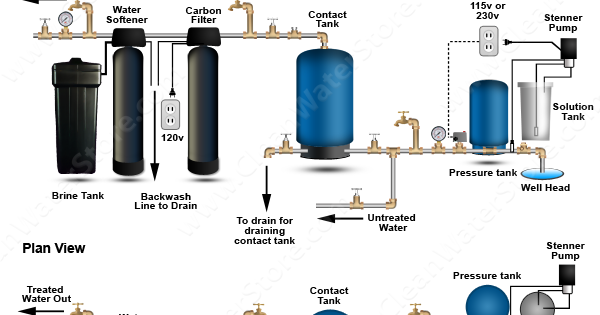 Clean Well Water Report: How to Treat My Well Water for Coliform Bacteria
The Flush: Your Water’s Spa Day
Now you flush the system. Hook up a garden hose to an outside spigot. Run the water until the bleach smell completely disappears. This can take an hour or a whole afternoon.
Fun fact: don’t flush the bleach water into your septic tank. It’ll kill the good bacteria that break down your, uh, contributions. Route it to a gravel area or lawn instead. Your grass will get a weird, chlorine-tan.
Once the smell is gone, test the water again. Wait a week first. The first test might show dead bacteria—still counts as a “fail.” You want a clean bill of health.
Step Three: Install A UV Light (The Sci-Fi Fix)
If bleach shocks feel too messy, get a UV water purifier. It’s a tube with a special light that zaps bacteria as water passes through. Poof. Dead.
UV lights are like superhero lasers for your plumbing. They don’t add chemicals. They don’t change taste. They just fry germs with pure radiation. Safe for you, deadly for microbes.
The catch? The water needs to be clear. If your well water is cloudy or rusty, the UV light can’t see through the mud. Fix that with a sediment filter first.
Other Secret Weapons
Chlorination tablets? Yep, drop ‘em in. Ozone systems? That’s fancy. Reverse osmosis? That removes bacteria, but it’s like using a flamethrower to light a candle.
Quirky fact: some people use hydrogen peroxide to treat wells. It breaks down into oxygen and water. Your water becomes super-oxygenated—like a health drink for germs, except they die.
You can also install a whole-house filter with a 1-micron pore size. That’s smaller than most bacteria. They’re trapped like a giant in a tiny phone booth.
 How to Treat and Eliminate Coliform Bacteria in Well Water
When To Call A Pro (Because We’re Not All MacGyver)
If you shock your well twice and the bacteria still party on, call a licensed well driller. Something structural is wrong. Maybe the well is too shallow. Maybe the casing is rusted to bits.
Don’t feel bad. Some wells are just cursed. But a pro can install a continuous chlorinator—a machine that dribbles bleach in 24/7. It’s like a coffee drip, but for germicide.
Cost? A few hundred for a shock. Thousands for a new well. But clean water? Priceless. And you get to tell dinner guests your water is “UV-sterilized and ozone-treated.” Sounds very sci-fi.
The Fun Side Of Bacteria
Believe it or not, coliform bacteria are ancient. They’ve been around for billions of years. You’re just the latest host trying to kick them out.
One interesting fact: some bacteria can survive in space. Coliform? They tough it out on the International Space Station. Your well is basically a luxurious spa compared to orbit.
So take heart. You’re not just treating water. You’re fighting a tiny, resilient, space-faring enemy. And you will win.
Quick Recap (For The Forgetful)
1. Find the leak. Patch it. 2. Shock with bleach. Let it sit. 3. Flush like crazy. 4. Test again. 5. Add a UV light if you’re fancy.
And remember: boiling your water works in a pinch. But it’s not a permanent fix. Unless you like drinking hot, mineral-tasting tea every day.
You got this. Your well will be clean. And you’ll never look at a glass of water the same way again. Cheers.
