How To Soften Water Without A Water Softener

Let’s be real for a second: hard water is that uninvited guest who overstays their welcome. You know the signs—that chalky film on your sparkling glasses, the way your skin fe...
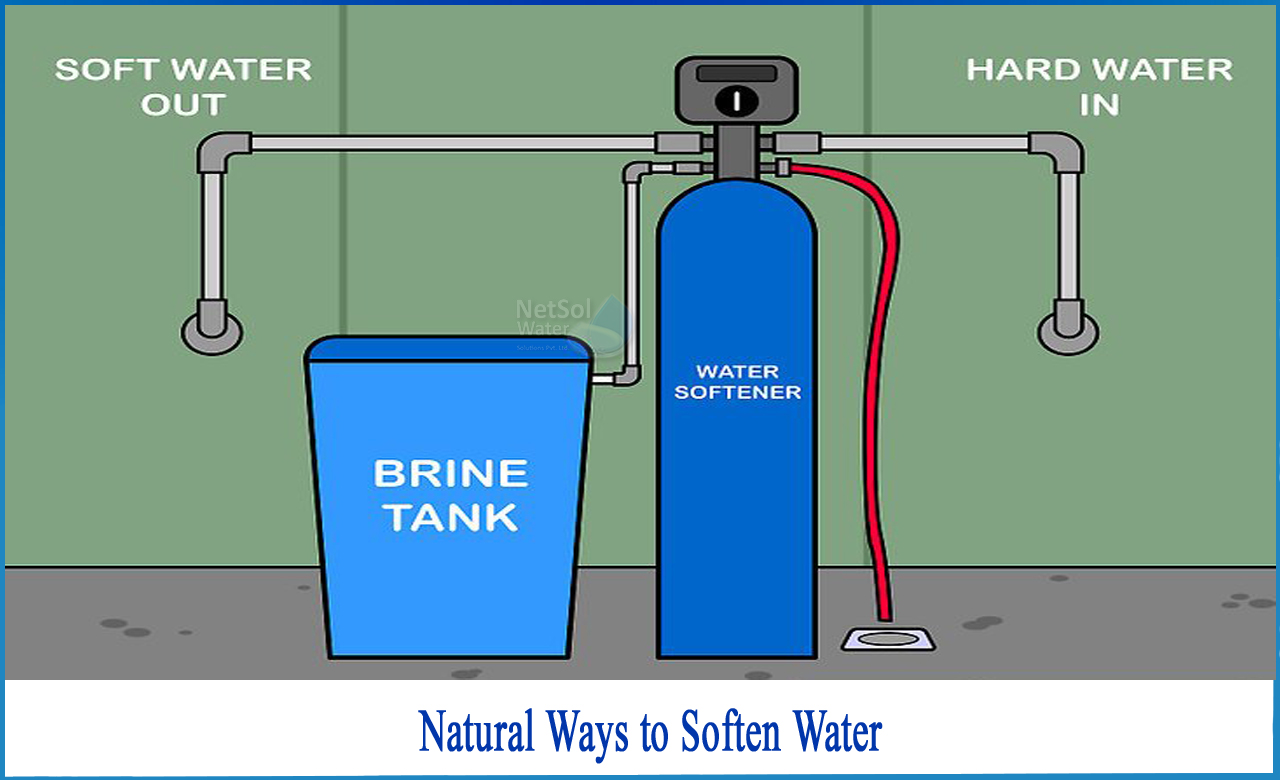
Let’s be real for a second: hard water is that uninvited guest who overstays their welcome. You know the signs—that chalky film on your sparkling glasses, the way your skin feels tight after a shower, or how your coffee maker looks like it’s been through a mineral blizzard. I remember the first time I moved into an apartment with hard water. My pristine kettle developed a crusty white beard so fast, I thought it was auditioning for a pirate movie.
But here’s the good news: you don’t need a fancy, expensive water softener to fight back. You can absolutely soften water without a water softener using simple tricks you probably already have at home. And trust me, your hair, your dishes, and your plumbing will thank you.
The Boiling Trick That Feels Like Magic
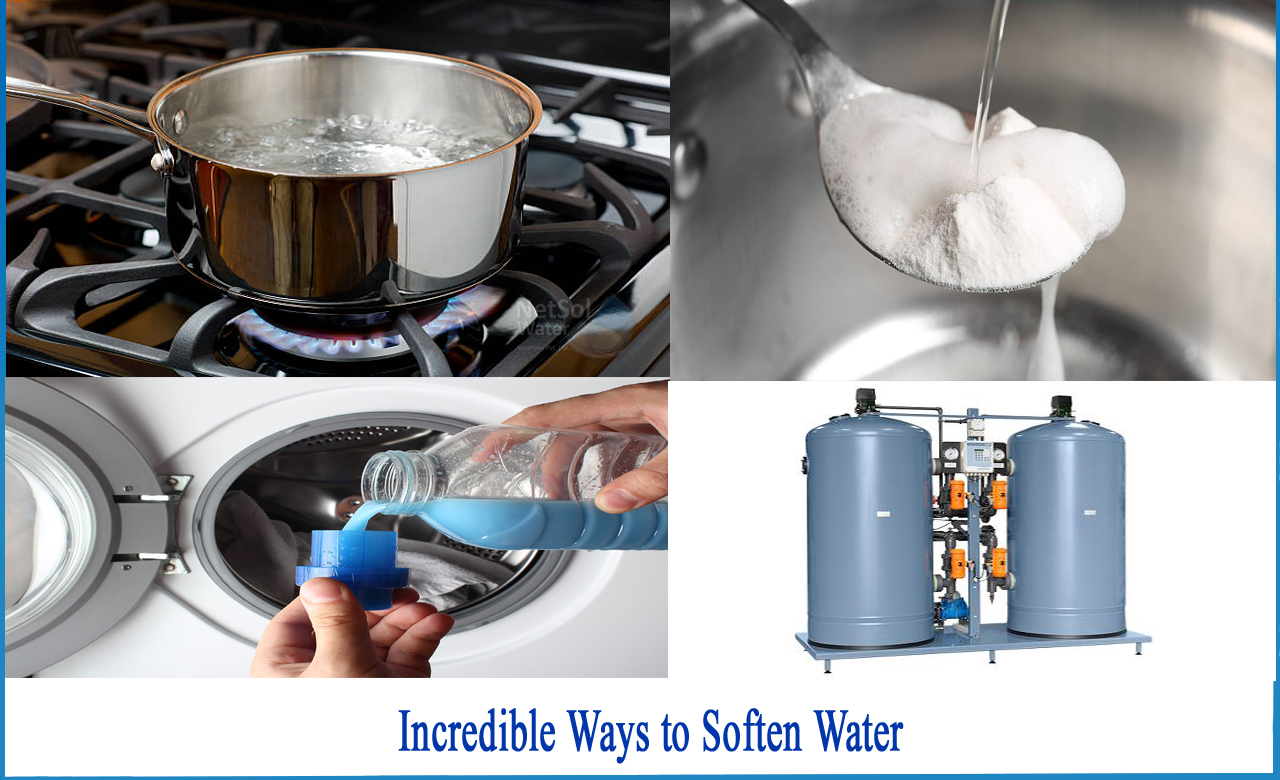
One of the easiest ways to soften water is to boil it. This works best for small amounts, like for your morning tea or pasta water. When you bring hard water to a rolling boil, those pesky calcium and magnesium minerals (the culprits behind the crust) start to precipitate and form a hard scale on the bottom of your pot.
Must Read
Let the water cool for a bit, then gently pour off the clear water on top, leaving the white sediment behind. It’s like skimming the bad vibes off a soup. You’ll notice your tea tastes cleaner and your pasta doesn’t look like it’s wearing a ghostly film.
Pro tip: Do this for your watering can if you have houseplants. They hate hard water almost as much as your hair does.
Baking Soda: The Pantry Superhero
Remember that box of baking soda at the back of your fridge, the one that’s supposed to absorb smells? It doubles as a natural water softener for laundry. Add a half-cup to your wash cycle—right into the drum with your detergent. It raises the water’s pH, which helps minerals loosen up and rinse away instead of clinging to your clothes.
I tried this on a whim after a friend swore by it. My dull gray towels came out fluffy again, and—funniest part—they didn’t smell like a damp basement. Your whites will look brighter, and your sweaters will feel less like sandpaper. It’s a cheap fix that feels like a hug for your wardrobe.
Vinegar: The Acidic Friend Who Gets the Job Done
If baking soda is the superhero, white vinegar is the sidekick that steals the show. It’s mildly acidic, which means it loves to dissolve those hard mineral deposits. For a quick fix in your bathroom, fill a spray bottle with equal parts vinegar and water, then spritz your showerhead or faucets.
 How To Boil Hard Water
Let it sit for 15 minutes, then wipe away with a cloth. You’ll see the crust dissolve like butter on a hot pan. I once let it sit too long on a faucet—like, three hours while I binge-watched a show—and it came out so shiny I thought I’d bought a new one.
Important: Don’t use vinegar on natural stone like marble or granite. It’s a bit too aggressive for those fancy surfaces.
The Dishwasher Rescue Mission
Hard water leaves those annoying white spots on glasses that make you feel like you’re drinking from a dusty museum piece. Here’s a trick: put a small bowl of white vinegar on the top rack of your dishwasher and run a hot cycle without any dishes inside. This cleans the machine and softens the water for future loads.
For daily dishes, you can also add a tablespoon of citric acid powder (often sold in canning sections) to the rinse aid compartment. It’s the same stuff in lemons, and it fights spots like a champ. Your wine glasses will sparkle like you’re hosting a fancy party—even if you’re just drinking tap water.
The Old-School Washing Soda Solution
If you want to go full grandma-mode, grab a box of washing soda (sodium carbonate) from the laundry aisle. It’s stronger than baking soda and works wonders for softening water for cleaning. Add a quarter cup to your laundry or your mop bucket.
 Will A Water Filter Soften Water at Terrance Mitchell blog
I tried this on my kitchen floor after a week of hard-water residue making everything feel sticky. The difference was instant—not only did the floor dry streak-free, but the mop water didn’t turn into a cloudy nightmare. You can even use it in your bathtub. Just dissolve it in warm water first, then scrub. Your bathroom will smell like a laundromat, but in a cozy, clean way.
Let It Rain: Collecting Soft Water from the Sky
If you have a yard or a balcony, you can collect rainwater for tasks like watering plants or washing your hair. Rainwater is naturally soft—it’s basically distilled by clouds. I have a friend who fills a big bucket every time it drizzles and uses it for her indoor orchid collection.
For a fun weekend project, set up a rain barrel under a downspout. You’ll get free, soft water for outdoor chores. Just don’t drink it without boiling or filtering it—rain isn’t as pure as it looks.
Why Bother? (Or, the Real Reason to Do This)
Look, I know softening water sounds like a chore. But imagine taking a shower and stepping out feeling like your skin is silky, not sticky. Imagine your shampoo lathering into a glorious foam instead of a sad dribble. Hard water fights soap, which means you actually use more product to get clean.
Your pipes, water heater, and appliances will last longer too. Less scale buildup means fewer breakdowns. It’s like teaching your house to live a little easier. And honestly, who doesn’t want that?
So next time you see that white crust on your kettle, smile. You’ve got a toolbox of simple, cheap fixes. Boil, bake, vinegar, or collect—you’re in charge now. Your coffee will taste better, your towels will be fluffier, and you’ll feel like a secret water ninja who outsmarted those minerals without buying a single expensive gadget. Now go pour yourself a spotless glass of water. You earned it.
