Does Decaf Coffee Have Same Health Benefits

Let’s be honest: the first question you ask when someone hands you a decaf coffee is, “Why bother?” It feels like ordering a virgin piña colada at a beach bar—technically the...

Let’s be honest: the first question you ask when someone hands you a decaf coffee is, “Why bother?” It feels like ordering a virgin piña colada at a beach bar—technically the same glass, but where’s the fun? Yet, as we trade late nights for early mornings and jitters for calm focus, decaf has quietly become the rebel of the coffee world. The real question isn’t whether it tastes good—it’s whether that cup of decaf still packs the same health punch as the high-octane stuff.
The short answer is: mostly yes, but with a few important asterisks. Coffee is a complex chemical symphony, with over 1,000 bioactive compounds, and caffeine is only one instrument in the orchestra. Decaf retains the vast majority of those antioxidants—like chlorogenic acid—that fight inflammation and oxidative stress. So, if you’re sipping for the polyphenols, you’re still getting the band, just without the lead singer.
For a moment, let’s talk about your liver—that humble hero of happy hour. Studies show that both regular and decaf coffee are linked to lower liver enzyme levels and a reduced risk of liver cancer and cirrhosis. A massive 2017 study found that decaf drinkers saw a 14% drop in liver enzyme levels. So, your 3 p.m. decaf latte is doing more than just warming your hands—it’s giving your liver a quiet standing ovation.
Must Read
Here’s a fun fact to drop at brunch: decaf coffee was invented almost by accident in 1903 when a German coffee merchant named Ludwig Roselius discovered that seawater-soaked beans lost their caffeine. Today, we use far fancier methods—like Swiss Water Process or CO₂ extraction—but the key flavor and health compounds largely survive. The process removes about 97% of caffeine, but leaves behind the magnesium, potassium, and even a little vitamin B3.
Now, the elephant in the room: heart health. Caffeine can raise blood pressure temporarily, but for most people, the long-term effect is neutral. Decaf, however, is a different beast. Research suggests that drinking three to five cups of decaf coffee per day is associated with an 11% lower risk of heart disease. The inverse relationship is real: people who drink decaf tend to have better cardiovascular markers, though scientists aren’t sure if it’s the coffee or the lifestyle of the drinkers.
But wait—there’s a catch. Decaf can cause a slight increase in “bad” LDL cholesterol, particularly if it’s made from Robusta beans. The reason? Robusta beans have higher levels of cafestol and kahweol, diterpenes that raise cholesterol. Most drip paper filters catch these, so if you’re using a French press, consider switching to a filtered method. That’s a practical tip your cardiologist would approve of, even if your taste buds grumble.
Let’s get cultural for a moment. In Italy, ordering a “caffè decaffeinato” might earn you a raised eyebrow, but in Portland or Stockholm, it’s a badge of mindfulness. The decaf revolution is part of a larger shift toward “loud boundary-setting” with stimulants—where you drink for ritual, not for rocket fuel. It’s the coffee equivalent of a weighted blanket: grounding without the jittery edge.
 The Truth About Decaf Coffee: Is It Bad For Your Health?
Here’s where it gets personal—your brain. Caffeine is a neuroprotective powerhouse linked to lower Alzheimer’s and Parkinson’s risk. But decaf? It’s a mixed bag. Some studies show a modest protective effect from the antioxidants, while others suggest the benefit is almost entirely from caffeine. So, if you’re three decades past forty, regular coffee might edge out decaf for brain health. But for sleep quality, hydration, and reducing anxiety, decaf is the undisputed champion.
Fun fact: decaf drinkers often get more magnesium per cup because the decaffeination process can slightly concentrate minerals. Plus, you’re less likely to suffer from the “mid-afternoon crash” or acid reflux. So yes, you can sip that evening decaf without guilt—and maybe without the heartburn that plagues late-night regular drinkers.
So, Should You Switch?
Here’s the honest truth: if you’re drinking coffee for the antioxidants, for social ritual, or for the warm hug of a mug, decaf is basically the same. If you’re relying on coffee to wake you up or give you that mental edge, it’s a different drink. And that’s okay. The best health advice is the one that fits your life—not some influencer’s morning routine.
Practical Tips for the Decaf Adventurer
First, buy high-quality decaf made with Swiss Water Process or CO₂ methods—they taste closer to the real thing. Second, drink it black or with oat milk to avoid masking sour notes. Third, don’t expect a performance boost; instead, savor the slow burn of the moment. And finally, mix it up—half-caff is a gentle rebellion that gives you the best of both worlds.
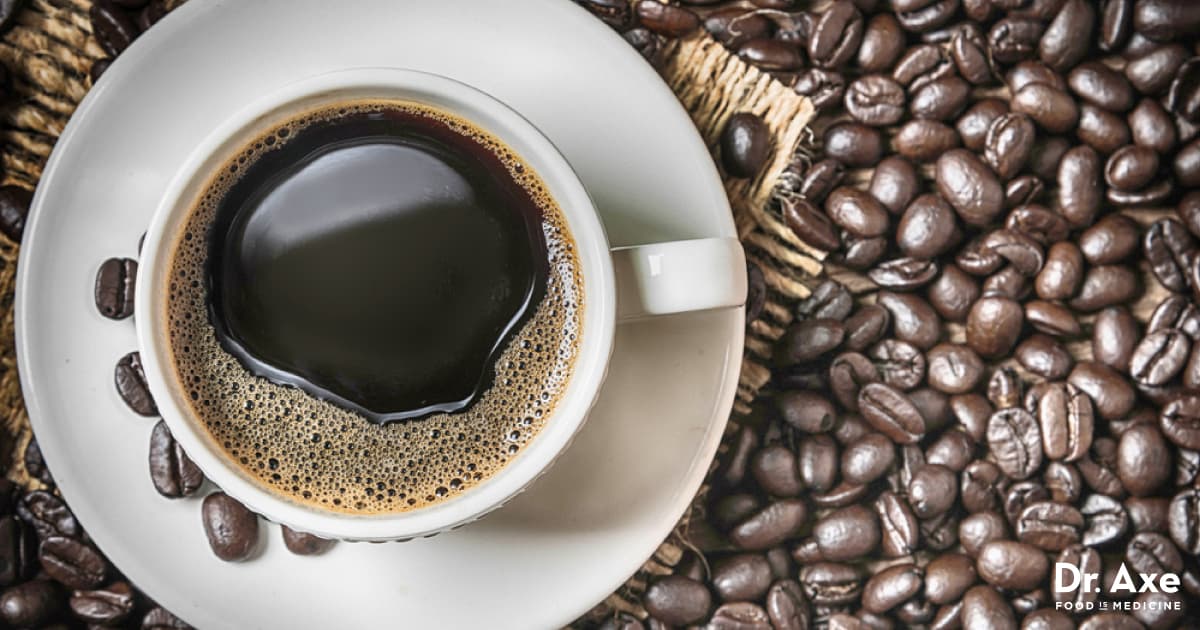 Decaf Coffee: Is It Good or Bad for Health? (Benefits vs. Risks)
A cultural nod: Japan’s “Kohi” culture often serves decaf in the evening as a form of hospitality—a drink that says, “Stay, but sleep well.” That’s the vibe you want to channel: coffee as connection, not as a crutch.
The Bottom Line
Decaf isn’t a consolation prize—it’s a choice. It offers nearly all the protective antioxidants, liver benefits, and social pleasure of regular coffee, minus the jitters and sleep disruption. The research is clear: drinking any coffee (within reason) is better for your long-term health than drinking none at all.
So next time you order a decaf flat white, hold your head high. You’re not cheating; you’re curating your energy. And in a world that demands peak performance at all hours, maybe the most radical health move is to sip something that lets you rest.
Reflection: I often find myself swirling a decaf cup at sunset, letting the steam carry the day’s noise away. It’s not about the caffeine—it’s about the pause. And that, dear reader, is a health benefit no lab can measure.
