Does Reverse Osmosis Remove Dissolved Salts

Picture this: you’re at your kitchen sink, filling a glass with water from the tap. It looks clear, but you know there’s a salty aftertaste that makes you pucker. Or maybe you...
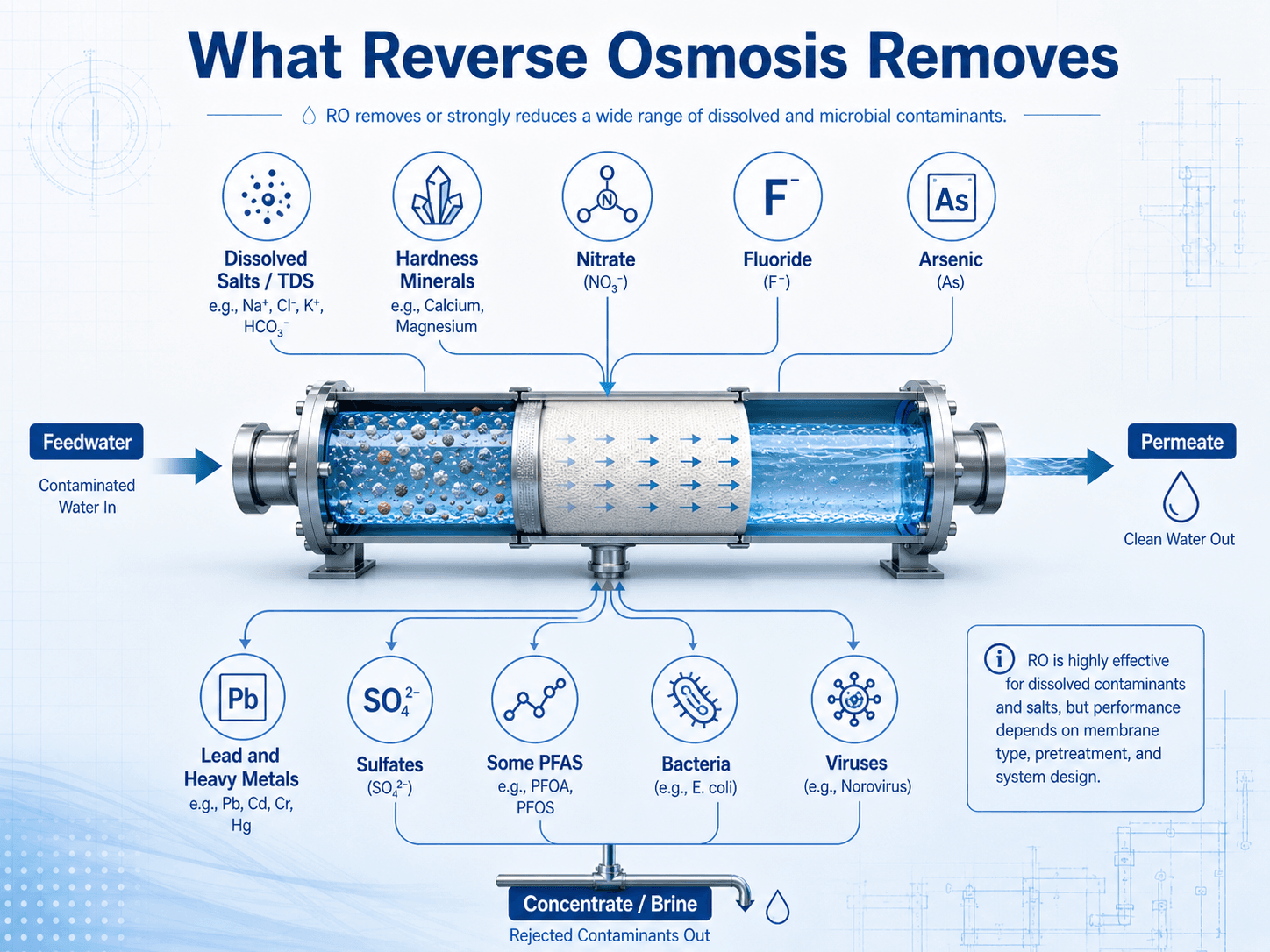
Picture this: you’re at your kitchen sink, filling a glass with water from the tap. It looks clear, but you know there’s a salty aftertaste that makes you pucker. Or maybe you’re trying to brew your morning coffee, and it just tastes flat.
That’s where reverse osmosis—or RO, as the water nerds call it—comes in. It’s like a tiny, high-tech bouncer for your water, checking IDs and kicking out unwanted guests. The big question is: does it actually remove dissolved salts? Short answer: yes, and it’s honestly kind of amazing.
What Are Dissolved Salts, Anyway?
When we say “salts,” we’re not just talking about table salt on your fries. We mean the minerals and ions that dissolve completely into water—like calcium, magnesium, sodium, and chloride. Think of them as tiny, invisible hitchhikers.
Must Read
You’ve tasted them in hard water (that chalky feeling on your hands) or in softened water (that slightly slippery feel). Dissolved salts are everywhere, and while some are harmless, too many can mess with your pipes, your appliances, and yes, your coffee. Reverse osmosis is basically the superhero that stops these hitchhikers cold.
It works by forcing water through a super-fine membrane—like a microscopic sieve with holes so tiny only water molecules can squeeze through. Everything else, including dissolved salts, gets left behind.
The Magic Behind the Curtain
Let’s imagine your water is a crowded party. The dissolved salts are the loud guests who won’t stop talking about their crypto portfolio. The RO membrane is the strict host who says, “Sorry folks, water molecules only—everyone else, please leave by the drain.”
This process removes about 95-99% of dissolved salts. That’s not a guess—it’s backed by science and tested in everything from desalination plants in the desert to your neighbor’s under-sink system. If you’ve ever tasted “dead-quiet” purified water, you’ve tasted RO’s handiwork.
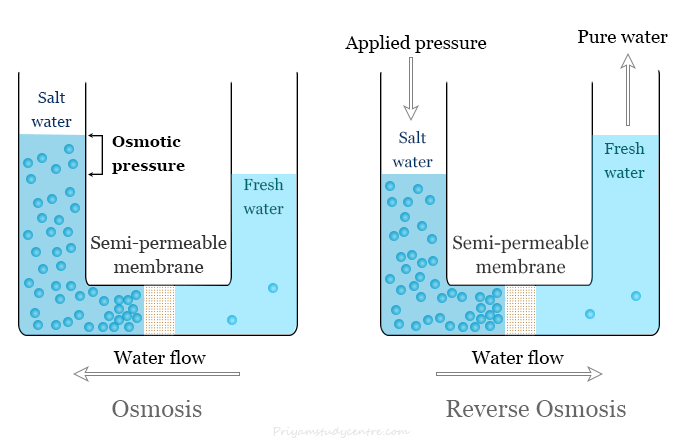 Reverse Osmosis - System, Definition, Process, Uses
But here’s the quirky part: it also removes good minerals like calcium and magnesium. So some folks add a remineralizer afterward just for taste. It’s like throwing the nice guests a separate after-party.
Why Should You Care? (The Fun Part)
Maybe you don’t think about dissolved salts because you can’t see them. But they are the reason your kettle builds up that weird white crust—the limescale villain. That crust is just calcium and magnesium salts, and it’s a pain to clean.
RO water stops limescale in its tracks. Your coffee maker stays pristine, your ice cubes are crystal clear, and your water glass never gets that cloudy film. It’s the closest thing to rain without the clouds.
And if you live near the coast or have well water with a salty twang? RO is your best friend. I once visited a friend whose tap water tasted like a salt lick. After an RO system, she said it tasted “like bottled water, but without the guilt.”
A Little Story About a Fish Tank
My buddy Dave has a saltwater fish tank—the kind with fancy, grumpy clownfish. He uses RO water because dissolved salts from the tap would throw off his tank’s chemistry and stress out his fish. He jokes, “I give my fish better water than I drink.”
 Does Reverse Osmosis Remove Salt?
But here’s the twist: he installed an RO system for his kitchen too. Now he makes iced tea that doesn’t turn bitter, and his plants stopped getting white spots on their leaves. That’s because plants hate dissolved salts as much as fish do—they clog up root systems. Who knew?
So if you care about your coffee, your kettle, or even your ficus, RO is the quiet upgrade you never knew you needed. It’s not flashy—just effective.
The Takeaway: Less Salt, More Smile
Does reverse osmosis remove dissolved salts? Absolutely, yes—like a champ. It’s the reason desalination plants turn ocean water into drinking water, and why you can have a salt-free glass of H2O at home without moving to a mountain spring. The trade-off is that it also removes some good minerals, but you can always get those from food or a simple remineralizer.
For everyday life, the real win is taste, clarity, and convenience. No more hard water spots on your dishes. No more salty aftertaste that makes you reach for a lemon wedge. Just clean, crisp water that does what water should do: hydrate without fuss.
So next time you fill a glass, think about those microscopic salts trying to crash your party. With reverse osmosis, you’ve got a bouncer who never gets tired. Cheers to that.
