How Long Does It Take For Water To Get Cold

You pour a steaming cup of coffee, set it down, and turn to answer a text. By the time you look back, it’s gone from “scorching” to “tepid.” But here’s the thing: that cold wa...
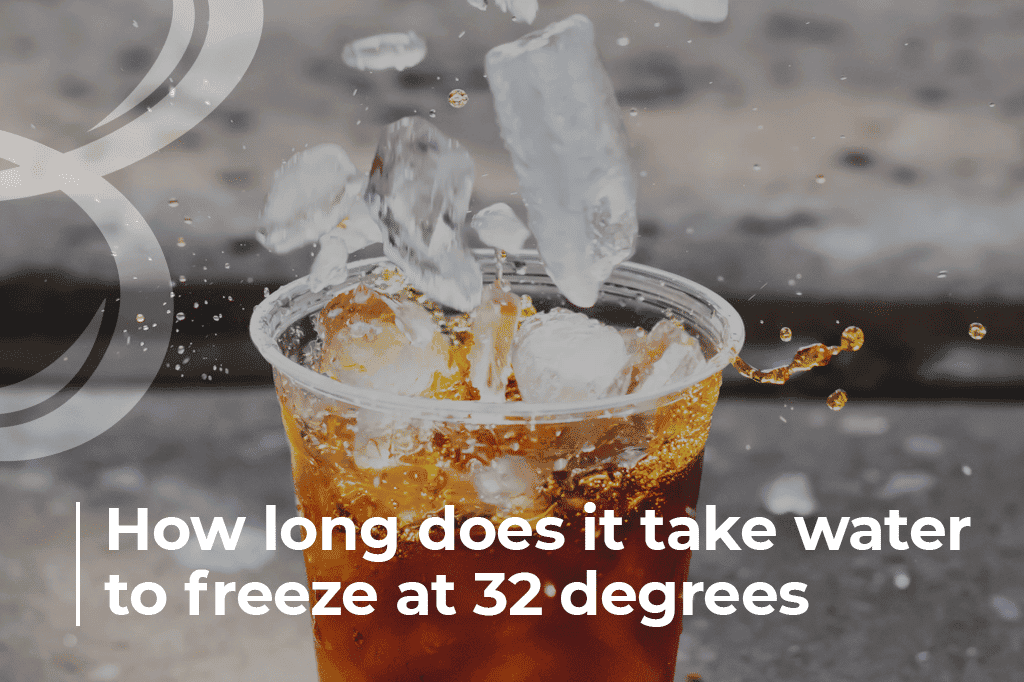
You pour a steaming cup of coffee, set it down, and turn to answer a text. By the time you look back, it’s gone from “scorching” to “tepid.” But here’s the thing: that cold water you just placed on the counter isn’t so eager to change. The time it takes for water to get cold isn’t just physics—it’s a quiet little drama of speed, mood, and container choice.
The 5-Minute Rule (That’s Actually Physics)
If you’re picturing a glass of tap water at room temperature, pure thermodynamics says it won’t drop below 70°F (21°C) unless you help it. In a standard glass, unwrapped, in a 65°F kitchen, it can take over an hour for the water to feel genuinely cold to your lips. But if you’re thinking about that ice-cold bottle straight from the fridge? That’s a different story.
A refrigerated water bottle (40°F) left on the counter will warm up to room temp in about 30 to 45 minutes. The reverse—room temp water getting fridge-cold—takes even longer, often 60 to 90 minutes, because cooling is always slower than warming. Science calls this Newton’s Law of Cooling, and it’s basically the universe’s way of saying, “Patience, my thirsty friend.”
Must Read
Your Mug, Your Murder Mystery
Your choice of vessel is a character in this story. A thin, wide-rimmed glass loses heat fast—it’s the gossipy friend who tells all your secrets to the air. A thick ceramic mug insulates, keeping your water lukewarm for ages. And a stainless steel bottle? That’s the brooding loner that fights temperature change like it’s a personal vendetta.
Fun fact: a copper mug, like those Moscow Mule vessels, chills your drink in seconds because copper is a super conductor. Drop an ice cube into one, and your water will feel cold in under 60 seconds—though the ice itself melts faster, too. It’s a trade-off between speed and endurance.
The Ice Cube Accelerator Trick
Of course, you don’t have to wait an hour. Add one standard ice cube to a cup of room-temperature water, and the temperature drops by about 15°F in the first two minutes. The key is to stir it once—convection mixing does the heavy lifting, spreading that cold shock like a rumor through a crowd.
Pro tip: for a fancy cocktail effect, fill a glass halfway with cold water, then top it off with room temp, and you’ll get a perfectly chilled sip in under 30 seconds. It’s the lazy person’s science experiment, and it works every time.
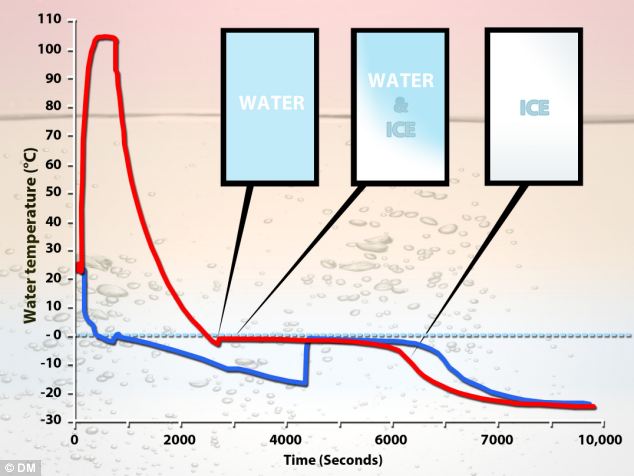 Why does hot water freeze faster than cold water? - SERSOL
Cultural Coffee Shop Wisdom
Walk into any Japanese kissaten, and you’ll see baristas preparing “mizudashi” cold-brew coffee—water that sits at room temp for 8 to 12 hours. That’s not impatience; that’s slow cold extraction, a ritual that respects the water’s own timeline. Meanwhile, at an American diner, they’ll dump ice into a glass of tap water and hand it to you in 12 seconds flat.
There’s a charming cultural irony here: the French routinely serve bottled water at “chambré” (room temperature) and consider American ice obsession a bit gauche. But when you really want that crisp, chilly bite, there’s nothing like the sound of cubes clinking against glass.
The Fastest Way: Physics Hacks
If you’re in a rush, reach for metal or glass, not plastic. Metal conducts heat away from the liquid about 400 times faster than plastic. A thin glass cup in the freezer for exactly 5 minutes before pouring? That’s a cheat code. The water will feel cold instantly, even if the liquid itself is still 50°F.
Another trick: wet a paper towel, wrap it around the bottle, and set it in front of a fan. Evaporative cooling can chill your water by 10°F in just 15 minutes. It’s a survival technique used in deserts, but it also works in your kitchen when you forgot to put the water in the fridge.
 How Long Does it Take for Water to Freeze? - ArcticLook
When Time Gets Weird
Here’s a weird truth: water in a closed bottle takes 20% longer to get cold than water in an open glass. The lid traps a pocket of warm air above the surface, acting like a tiny blanket. If you want speed, uncover it. The same logic applies to a vacuum insulated thermos—that’s not slow cooling; that’s a time machine that keeps your water’s temperature suspended in amber.
And let’s not forget the “tea house effect.” Pour hot water into a thin porcelain cup, and it cools to drinking temperature in exactly 4 minutes—the same time it takes to steep a perfect green tea. That’s a cultural tradition built on pure thermal precision.
A Reflection on Thirst and Time
Waiting for water to get cold is one of life’s smallest, most forgiving micro-frustrations. You can’t rush it much, but you can outsmart it. And in a world obsessed with speed, there’s something unexpectedly grounding about watching a glass of water slowly surrender to the quiet chill of a room.
So next time you pour a glass and sigh at its warmness, remember: you’re participating in a ritual that spans centuries and continents. Grab a metal cup, add an ice cube, or just wait. Either way, the cold will come. It always does—right on its own perfect schedule.
