What Does Reverse Osmosis Remove From Water

So picture this: I’m at a friend’s BBQ, right? The sun is blazing, the burgers are sizzling, and someone hands me a glass of water that looks so clear it’s practically invisib...
So picture this: I’m at a friend’s BBQ, right? The sun is blazing, the burgers are sizzling, and someone hands me a glass of water that looks so clear it’s practically invisible. I take a sip, and it tastes… well, like nothing. Pure, crisp, almost weirdly clean. My buddy grins and says, “That’s my RO system—removes everything bad.” And I thought, everything? Like, even the flavor?
That little moment stuck with me. Because we toss around terms like “reverse osmosis” like it’s a magic trick, but what does it actually remove from your water? Spoiler alert: it’s a lot more than just the ick you can see. Let’s get nerdy for a sec, but in a chill, no-lab-coat way.
The Big Bad Guys: Contaminants We All Fear
First up: heavy metals. We’re talking lead, mercury, arsenic, cadmium—the stuff that sounds like a metal band lineup. These sneaky elements can leach into groundwater from old pipes or industrial runoff, and your body really doesn’t want them hanging around. Reverse osmosis is like a bouncer at a club: it kicks them out at the molecular level.
Must Read
Same for fluoride. Yeah, I know, it’s controversial. Some cities add it for teeth, but if you’re on well water or just want to decide your own intake, RO will strip it out. (Cue the “but my dentist said…” debate—don’t shoot the messenger!)
The Invisible Invasers: Dissolved Solids and Chemicals
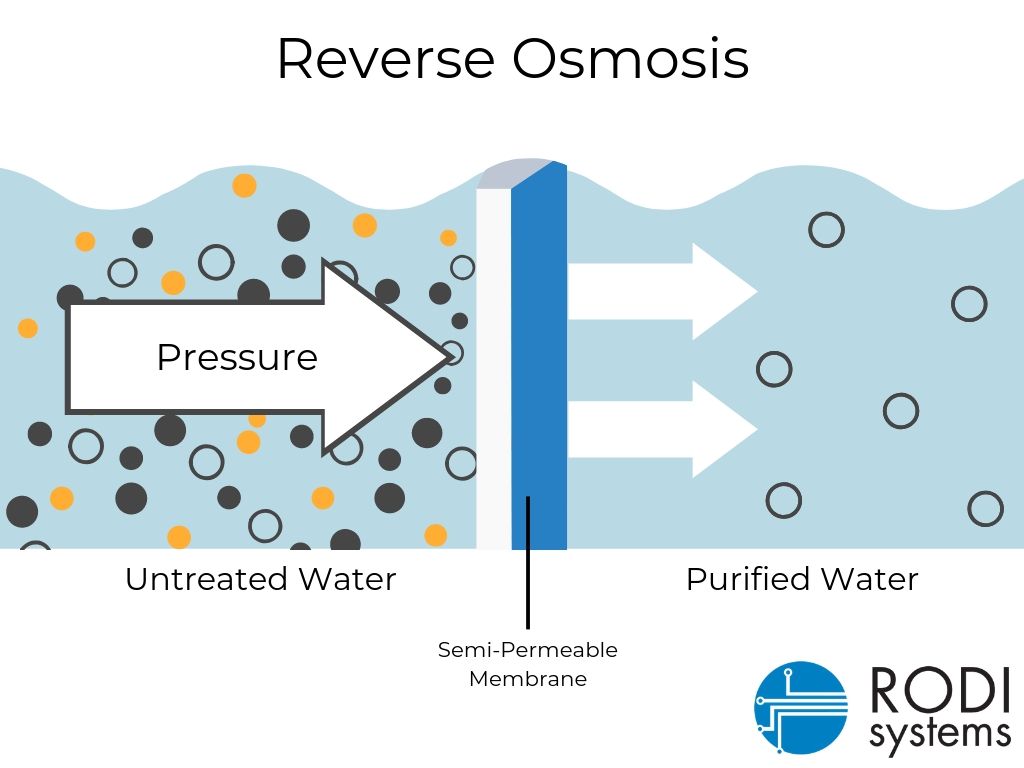
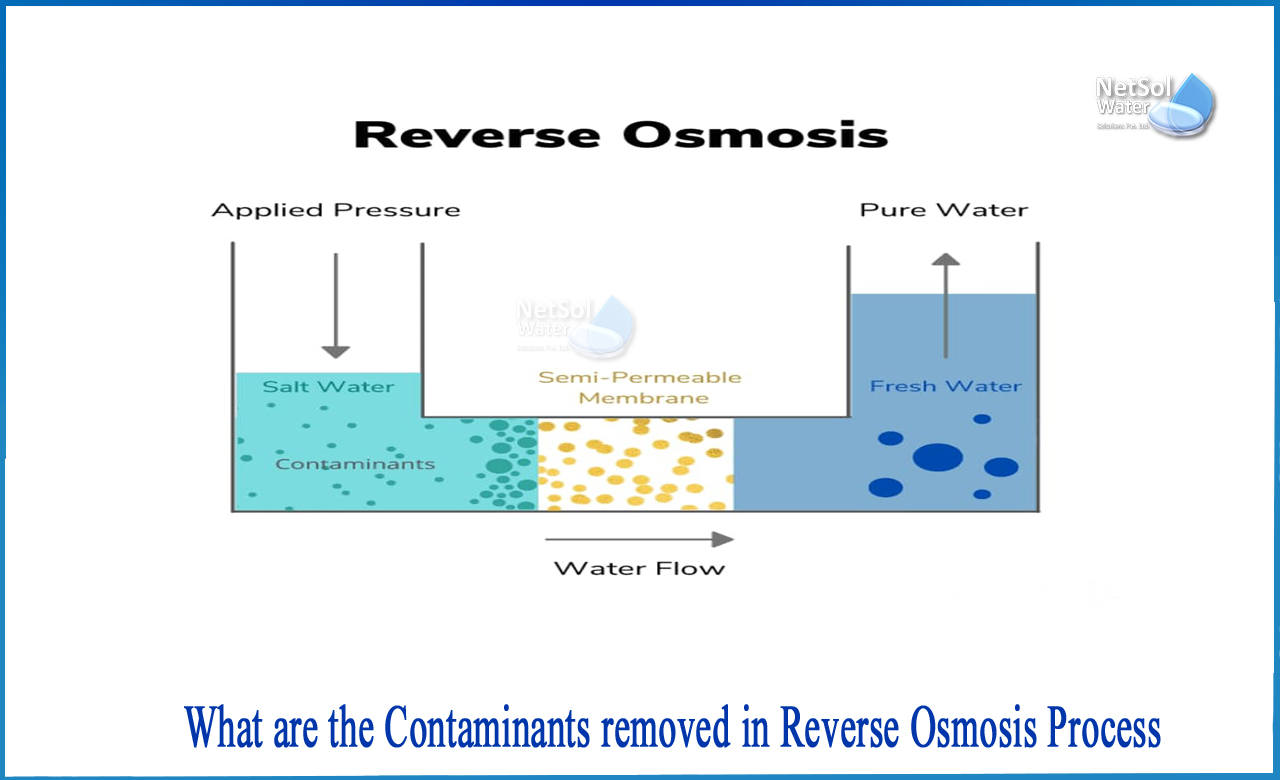
Here’s where it gets wild: total dissolved solids, or TDS. This is basically everything that’s dissolved in your water—calcium, magnesium, nitrates, even tiny bits of dirt. RO pushes water through a semi-permeable membrane with pores so small, only H₂O molecules (and some gases) squeeze through. Everything else? Denied entry. That’s why the water tastes “flat” to some people—it’s too pure.
And chlorine and chloramines? City water plants add them to kill bacteria, but they can leave a pool-like aftertaste. RO zaps those, too. Ever notice how bottled water from a fancy brand tastes “smoother”? That’s probably RO at work, minus the marketing hype.
 Does Reverse Osmosis Remove Salt? Ultimate Purification Guide
The Sneaky Stuff: Pharmaceuticals and Pesticides
Okay, brace yourself. Trace amounts of pharmaceuticals—think leftover meds people flush down the toilet—have been found in tap water. Same for pesticides and herbicides from farms. The EPA sets limits, but the idea of sipping a little bit of someone’s unused antidepressant? Yeah, no thanks. RO catches most of those, because the membrane is tighter than a TikTok drama filter.
Even microplastics—those tiny, invisible shreds from your takeout containers—get blocked. (Side note: yes, you were basically eating plastic before. Welcome to 2025.)
What Doesn’t RO Remove? (Plot Twist!)
Here’s the ironic part—reverse osmosis isn’t perfect. It won’t remove gases like dissolved radon or certain volatile organic compounds (VOCs) that evaporate quickly. And viruses? The pores are too big for small viruses, though bacteria and cysts get blocked. That’s why some systems add a carbon filter or UV light as a backup. It’s like wearing a raincoat and carrying an umbrella—overkill? Maybe. Effective? Absolutely.
 Why Reverse Osmosis is the Better Choice for Clean Water – Go Lime
Also, minerals like calcium and magnesium are removed. That’s why some people add a remineralization filter afterward—to get that “mountain spring” taste back. Otherwise, you’re drinking water so pure it might leach minerals from your pipes (or your teeth, if you only drink it). But honestly, most of us get enough minerals from food, so it’s not a big deal unless you’re a fanatic.
The Takeaway: Should You Care?
So, back to that BBQ. My buddy’s water was 99% contaminant-free, but it also felt a little… hollow. Like, where’s the soul? But if you live in an area with old plumbing, farm runoff, or just want control over what goes into your body, RO is a beast. It removes heavy metals, pharmaceuticals, pesticides, chlorine, fluoride, nitrates, sulfates, and even some bacteria—basically everything except pure H₂O and a few stubborn gases.
Is it overkill for everyone? Probably. But for someone who’s paranoid about what’s in their tap? It’s peace of mind in a glass. Just don’t expect it to turn your water into a gourmet wine. It’s more like a blank canvas—you can add back what you want, or just enjoy the silence.
You know what’s weird, though? After that BBQ, I bought a water pitcher with a basic carbon filter. And every time I fill it, I think about that RO-purified glass at my friend’s house. Maybe I’m just lazy. Or maybe, as they say, ignorance is bliss—until you learn what’s actually swimming in your tap.
