What Does The Grain Mean On Water Softeners

So, you’ve got a water softener. Or you’re thinking about getting one. And someone—probably a plumber with a mustache you could hide a raccoon in—mentioned “grains.” Not the k...
So, you’ve got a water softener. Or you’re thinking about getting one. And someone—probably a plumber with a mustache you could hide a raccoon in—mentioned “grains.” Not the kind you put in a bowl with milk. Those grains are delicious. These grains are a unit of measurement, and they are far less snackable.
Let’s be real: when I first heard “grain,” I pictured my water softener eating tiny oat flakes. It doesn’t. But the confusion is totally understandable. Grains are actually a measurement of how much “hardness” your softener can remove before it needs to regenerate—which is just a fancy word for “take a salt bath.”
Think of it like this: your water softener has a little bucket inside. That bucket holds a certain number of “grain tickets.” Every time a grain of hardness—calcium or magnesium—passes through, it cashes in one of those tickets. Once the tickets are gone, your softener yells “I’m out!” and starts cleaning itself.
Must Read
The Great Grain Confusion
Hard water is basically water that’s been on a mineral-collecting safari. It picks up calcium and magnesium from the ground. Those minerals are what make your dishes spotty, your skin feel like sandpaper, and your coffee taste like regret. A grain of hardness equals about 0.002 ounces of those minerals. That’s roughly the weight of a single medium-sized raisin. Except you won't find it in your oatmeal.
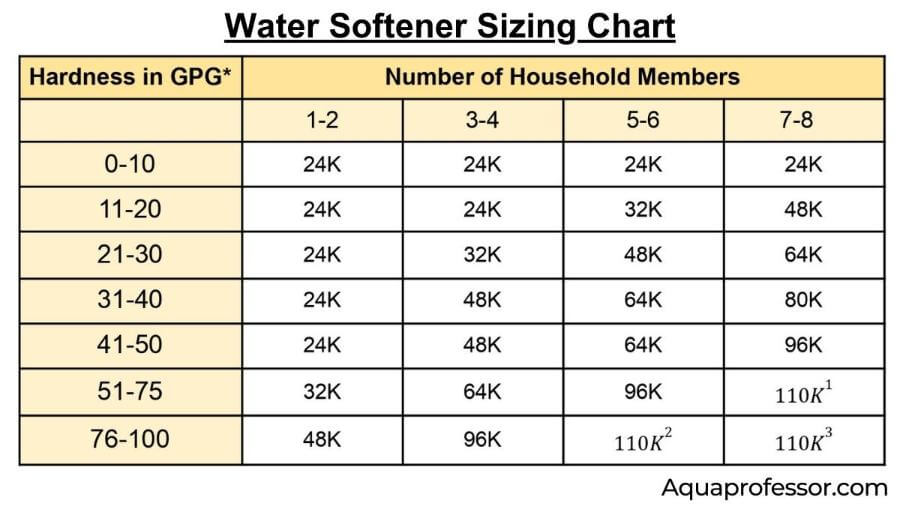
Here’s where it gets hilarious: most people buy a water softener based on “how many people live in the house.” They think, “Four people? I need a 64,000-grain unit!” That’s like saying, “I’m hungry, so I’ll order a 64-course meal.” You don’t eat all 64 courses; you eat until you’re full. Your softener works the same way—it uses grains based on how much water you actually run.
Surprising fact: the average American family of four uses about 400 gallons of water a day. That’s enough to fill a small swimming pool every week. If your water has 10 grains of hardness per gallon, then you’re dumping 4,000 grains down the drain daily. That’s like flushing a bag of wild rice every 24 hours.
Why 32,000 Grains Isn’t a Magic Number
You see those big numbers on the box: 30,000, 48,000, 64,000 grains. They sound impressive, like the horsepower on a muscle car. But here’s the kicker: a softener doesn’t remove 32,000 grains in one go. It removes a daily allowance. If your water is hard enough, you could blow through a 32,000-grain softener in two days. Then it’s just a big, expensive paperweight until the salt kicks in.
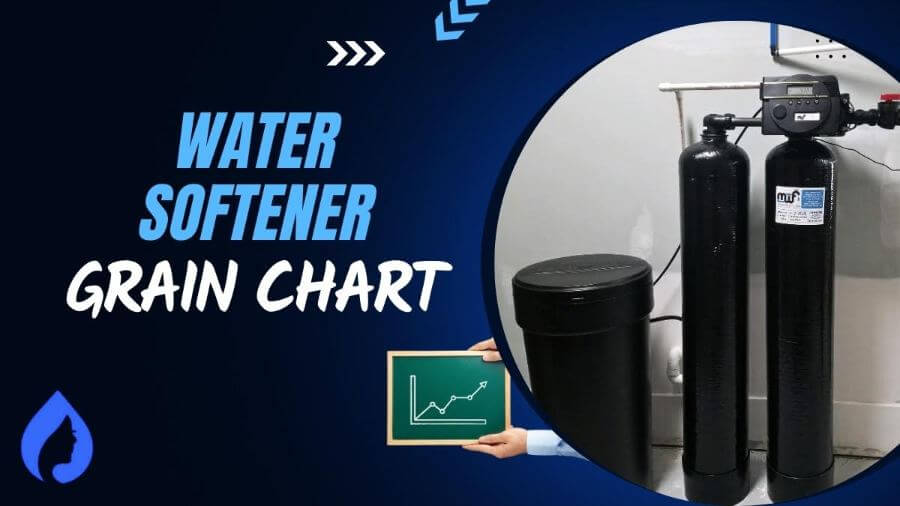 Water Softener Grain Chart & Calculator: Ultimate Cheatsheet
So how do you calculate the right grain capacity? It’s simple math but way more boring than a casino heist. Take your water hardness (in grains per gallon) multiplied by your daily water usage. Then add a safety margin because life happens. Pro tip: overestimating your grain capacity is like buying one-size-too-big underwear; it’s not sexy, but it’s infinitely more comfortable.
If you get a unit that’s too small, it regenerates constantly. That’s like a friend who excuses themselves to the bathroom every five minutes during dinner. Annoying, wasteful, and honestly, a red flag.
The “Grain” Industry’s Dirty Secret
Here’s a surprise: no two brands measure “grain” capacity exactly the same way. Some count “usable grains,” others count “total grains if you feed it a pound of salt.” It’s like ordering a coffee and finding out “small” means different sizes in different countries. Suddenly your “12-cup” coffee maker serves you a cup the size of a thimble.
Also, the grain number on the box assumes you’re using cheap, blocky salt. If you spring for premium solar salt pellets? You might get 10% more efficiency. That’s like upgrading from a wiffle ball bat to a real baseball bat—suddenly you’re hitting home runs, but you still have to swing.
 Certiflow Water Softeners
One more jaw-dropper: softeners actually remove more than just grains of hardness. They also yank out trace amounts of iron and manganese. Iron messes with the grain calculation because it’s heavier and harder to remove. A single grain of iron counts as three grains of hardness in the math department. So if your water has iron, your poor softener is working triple shifts. Give it a raise.
The Bottom Line (But Make It Funny)
So what does “grain” mean on a water softener? It’s the number of “battles” your machine can win before needing a salt recharge. It’s not about weight, not about breakfast, and definitely not about your sourdough starter. It’s just a measurement of how much mineral-fighting power your little plastic warrior has.
If you’re buying one, ignore the sales guy who talks like a wizard. Grab a water test kit (cheap and easy), figure out your daily water use (look at your water bill), and do the math. Or, just buy a system that’s one size larger than you think. Overkill is underrated. It’s like buying a spare roll of toilet paper—you never regret having too much.
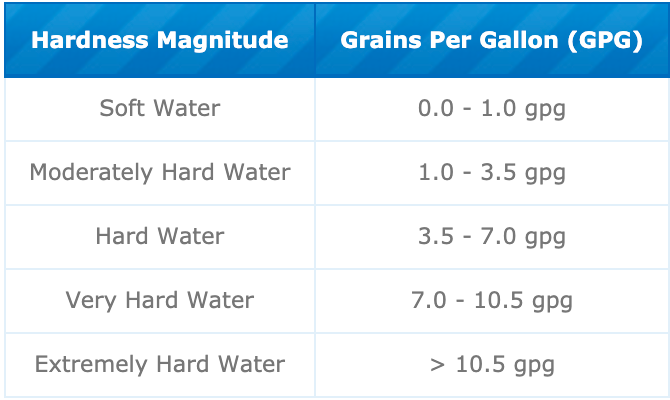
Remember: grains are your friend. They tell you if your water is “hard” (bad) or “soft” (good). And now, if someone at a party says, “My softener handles 48,000 grains,” you can smirk, sip your perfectly soft water, and reply, “Mine handles 64,000. And I have no idea if I’m using it right.” Welcome to the club.
