What Does Charcoal Filter Remove From Water

So there I was, staring at my Brita pitcher like it held the secrets to the universe. I’d just filled it with tap water that tasted faintly of swimming pool and irony (the bad...
So there I was, staring at my Brita pitcher like it held the secrets to the universe. I’d just filled it with tap water that tasted faintly of swimming pool and irony (the bad kind). My roommate, a self-proclaimed “water sommelier,” swore the charcoal filter was magic. I was skeptical—until I took a sip and felt like I’d just discovered a hidden spring in my kitchen. That’s when I got curious: what exactly does charcoal filter remove from water? Spoiler alert: it’s not just the weird taste.
First Things First: It’s All About Adsorption
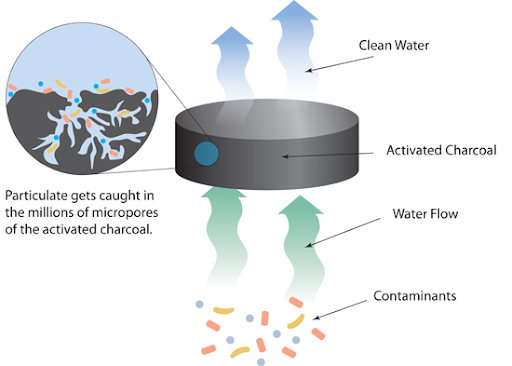
Okay, let’s get a little nerdy for a second—but I promise to keep it fun. Charcoal filters work through a process called adsorption, not absorption (yes, there’s a difference, and yes, that “d” matters). Think of it like a magnet: the charcoal’s porous surface grabs onto certain molecules in the water and holds them tight. It’s like a bouncer for your glass, but way friendlier—and it works really well on specific party crashers.
Those tiny pores in the charcoal are like a microscopic sponge cake, trapping impurities as water flows through. The result? Cleaner, tastier water that doesn’t make you wonder if you’re drinking from a garden hose. But what’s actually getting kicked out? Let’s break it down.
Must Read
The Big Culprits: Chlorine and Bad Taste
First up: chlorine. That’s the stuff your local water treatment plant adds to kill bacteria, but it’s also the reason your water smells like a public pool. Charcoal filters are amazing at removing chlorine, which is why your water suddenly tastes crisp and neutral. You can thank the adsorption for that—chlorine molecules are basically clingy in the best way for charcoal.
Along with chlorine, bye-bye to volatile organic compounds (VOCs)—the chemicals that give water that weird, “medicinal” or “plastic” aftertaste. These are common from industrial runoff or old pipes, and charcoal is like a ninja against them. Your taste buds will notice the difference before you even finish your first glass.
What About the Scary Stuff? (Spoiler: Not Everything)
Here’s where I have to rain on the parade a bit—charcoal filters are not miracle workers. They’re excellent at removing organic compounds, but they don’t remove heavy metals like lead, arsenic, or mercury. Nor do they zap bacteria, viruses, or dissolved salts (like those in hard water). If you’re dealing with lead pipes or well water contamination, you’ll need a more heavy-duty system—think reverse osmosis or a specialized filter. Sorry to burst your bubble, but that $20 pitcher has limits.
 What Does Charcoal Filter Remove From Water at Angel Fleming blog
Similarly, fluoride is usually left behind unless the charcoal is specially treated. Fluoride is a tiny ion, and it slips right through the pores like a Houdini. So if you’re worried about fluoride, double-check your filter’s specs—most standard charcoal filters don’t touch it.
The Good News: It Nails the Everyday Nuisances
What it does remove well? Sediments, rust, and tiny particles that make water look cloudy or have a gritty feel. Think of it as a first line of defense for your morning coffee or your precious tea leaves. Plus, it helps with bad odors—like that sulfur “rotten egg” smell some well water has. Charcoal eats that up, leaving you with water that actually smells like, well, nothing.
It also reduces some pesticides and herbicides that might sneak in from agricultural runoff. Not all of them, but enough to make a difference. That’s a quiet win for your health—especially if you’re drinking tap water daily and not paying attention to what’s in the local news.
 Charcoal Water Filtration: Function, Benefits, and System Types - Pick
A Little Reality Check on “Better” Water
Look, I’m not saying charcoal filters are a scam—they’re genuinely great for improving taste and removing common junk. But let’s be real: you’re not getting “mountain spring” water from a Brita. What you are getting is water that won’t make you wrinkle your nose, and that’s worth something. Think of it as the difference between a basic white tee and a designer one—they both cover you, but one feels a whole lot better.
And here’s the ironic part: the cleaner your water tastes, the more likely you’ll drink it. That means better hydration, fewer sugary sodas, and maybe even fewer headaches. So yeah, that charcoal filter might just be your unsung health hero—even if it can’t remove lead.
Final Sip: Change Your Filter, or Else
One last thing—change your filter. I know, you’ve heard it a million times, but a dirty charcoal filter becomes a breeding ground for bacteria. Seriously, it’s gross. If you ignore it for months, you’re basically flavoring your water with mold spores. Don’t be that person. Set a reminder on your phone, okay?
So next time you fill that pitcher, take a moment to appreciate the charcoal. It’s like a bouncer for your tap, kicking out chlorine, VOCs, and weird smells while letting the good stuff flow. Just remember it’s not a magic wand—and that’s fine. For what it does, it’s pretty darn awesome. Cheers to better water, one sip at a time.
