What Does A Carbon Filter Take Out Of Water

Let’s be honest: tap water can be a wild card. One day it tastes like a crisp mountain stream, and the next, it reminds you of a swimming pool that’s seen better days. That’s...

Let’s be honest: tap water can be a wild card. One day it tastes like a crisp mountain stream, and the next, it reminds you of a swimming pool that’s seen better days. That’s exactly where a carbon filter steps in, like a polite but firm bouncer at a club.
The Great Chlorine Eviction
The number one thing a carbon filter kicks out is chlorine. Your water utility adds it to kill bacteria, which is fine, but it leaves that unmistakable pool-water aftertaste.
Think of carbon as a super-sponge that says, “Sorry, chlorine, you’re not on the guest list.” One sip of filtered water, and you’ll realize you’ve been drinking a very clean, very boring swimming pool for years.
Must Read
That “Dirty Sock” Smell? Gone.
Ever fill a glass and get a whiff of something funky, like a gym bag left in a hot car? That’s often hydrogen sulfide, a compound that makes water smell like rotten eggs.
A carbon filter grabs those stinky molecules and locks them away. It’s like having a magic air freshener, but for your drink. Your nose will thank you, and so will anyone who shares your kitchen.
The Mysterious Case of Bad Taste
Water can pick up all sorts of weird flavors from pipes and treatment plants. You might notice a metallic tang or a hint of plastic if you’re using an older faucet.
Carbon filters are taste-whisperers. They absorb the compounds that cause bitterness or that “off” flavor, leaving you with water that actually tastes like, well, water. It’s the difference between a burnt coffee and a fresh brew.
I once thought I hated plain water. Turns out, I just hated my tap water after the landlord replaced the pipes. A $20 filter fixed my entire hydration habit.
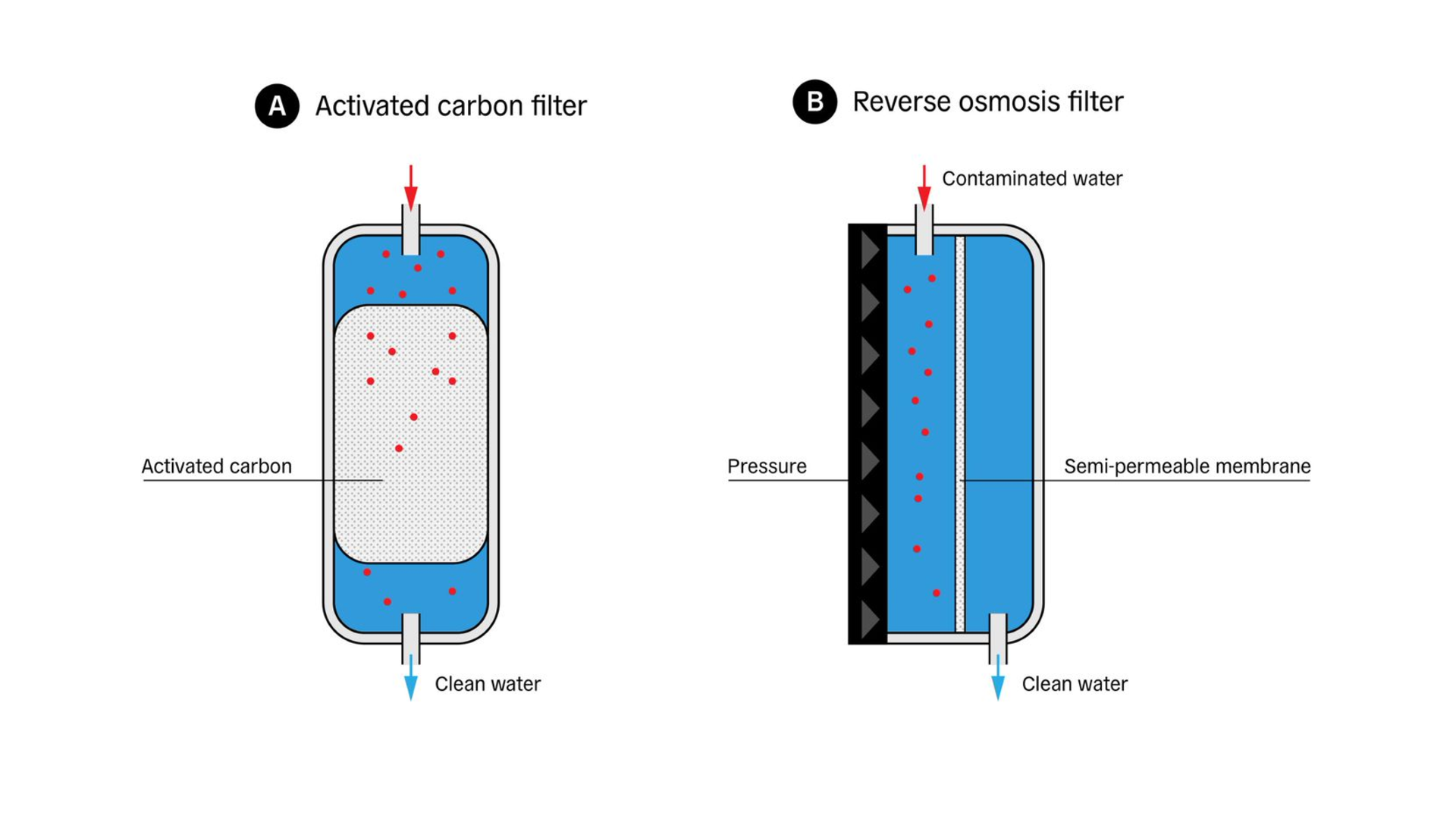 Smart sensor solutions
Volatile Organic Compounds (VOCs) – The Sneaky Crashers
This is the serious stuff. VOCs are chemicals that can leach into water from industrial pollution, fuel spills, or even old plumbing. They can be nasty, with names like benzene and trichloroethylene.
A good carbon filter acts like a chemical bouncer, grabbing these troublemakers before they reach your glass. It’s not fancy, but it’s doing the heavy lifting while you watch Netflix.
What It Doesn’t Take Out (A Gentle Reality Check)
Let’s be real: a standard carbon filter is not a superhero. It won’t remove hard minerals like calcium and magnesium, so your kettle will still get that white crust.
It also doesn’t touch dissolved salts, nitrates, or bacteria (unless it’s a special combo filter). Think of it as a good friend, not a miracle worker. It handles the taste and odor, but it won’t turn swamp water into Evian.
And lead? Most basic carbon filters aren’t certified for heavy metals. If you have old pipes, you need a specific filter designed for that. Always check the label—your water’s safety is worth the extra two minutes.
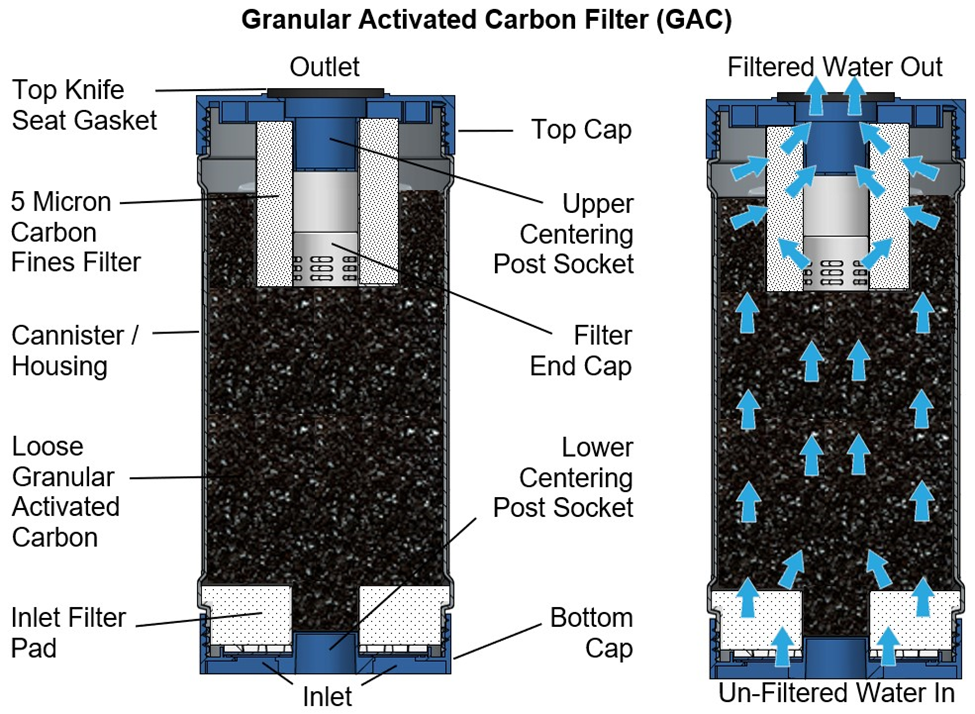 Granular Activated Carbon (GAC) vs. Activated Carbon Block (CB) Water
The Sediment Surprise
Some carbon filters also trap sediment: tiny bits of sand, rust, or silt that float around in your water. It’s like that weird grit at the bottom of a forgotten glass.
Ever noticed a strange, gritty texture when you rinse a mug? That’s sediment. Carbon filters catch that junk, so your coffee tastes smooth, not like a mouthful of playground sand.
Why You Should Care (And Laugh a Little)
The real magic is that a carbon filter makes you want to drink water. Suddenly, refilling your bottle isn’t a chore; it’s a pleasure. You stop buying plastic bottles, which is good for the planet and your wallet.
I used to ignore the weird taste of my tap water until a friend handed me a glass from her filtered pitcher. I actually asked, “Where did you buy this bottled water?” She laughed and pointed at the sink. I felt like an amateur.
So, the next time you pour a glass and it tastes clean and fresh, remember the unsung hero: a block of carbon doing its job, silently taking out chlorine, stink, and grime. It’s the tiny guardian of your hydration, and frankly, it deserves a raise.
