How Long Does A Reverse Osmosis Filter Last

So, you’ve got a reverse osmosis system under your sink, huh? Maybe you’re staring at it right now, wondering if it’s secretly plotting its own retirement party. The big quest...
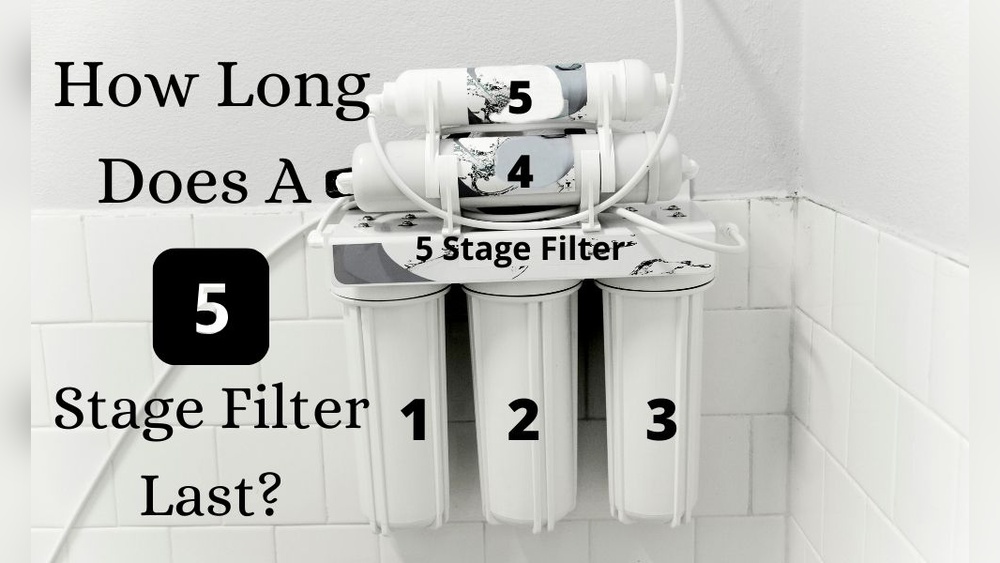
So, you’ve got a reverse osmosis system under your sink, huh? Maybe you’re staring at it right now, wondering if it’s secretly plotting its own retirement party. The big question is: how long does a reverse osmosis filter actually last?
Spoiler alert: it’s not a one-size-fits-all answer. But don’t worry—I’ve got the breakdown, and I promise it’s less painful than a dentist appointment.
First, let’s tackle the RO membrane—that’s the superhero of the system. It’s the part that actually does the hard work of stripping out heavy metals, fluoride, and evil little contaminants.
Must Read
On average, a good RO membrane lasts 2 to 4 years. Yeah, years—not months. But here’s the catch: it depends on how much you love your water (and how much your water loves you back).
If your tap water is basically liquid rock—hard, full of sediment, or high in chlorine—that membrane is going to tap out early. Think of it like a marathon runner stuck in a swamp. It’ll get tired fast.
Meanwhile, the pre-filters (the ones that catch sediment and carbon stuff) are the real workhorses. They need swapping every 6 to 12 months. Yes, they’re needy. No, you cannot ignore them forever.
Pro tip: if your water starts tasting weird, or your glass of water looks like it’s having a cloudy existential crisis, it’s time to change them. Don’t be that person who waits until the system starts gurgling like a dying frog.
What about the post-filter?
Oh, the post-filter—that’s the little guy that polishes the water right before it hits your glass. It usually lasts 12 months, give or take a few guilt-filled months of “I’ll change it next week.”
And then there’s the storage tank. It doesn’t technically get “changed” unless it springs a leak or the air bladder gives up. That can last 5 to 10 years—longer than most of your kitchen appliances, honestly.
 How Long Does a Reverse Osmosis System Last? - EAI Water
But here’s the real tea: manufacturers love to recommend annual replacements for everything. It’s like how your phone company wants you to upgrade every year—except your RO system actually needs it.
So, what’s the cheat sheet? Let’s make it simple. Sediment and carbon pre-filters: every 6 months. Post-filter: every 12 months. RO membrane: every 2-4 years, depending on your water’s mood swings.
But wait—does water quality matter?
Does a bear poop in the woods? Yes, and your water quality is the biggest factor. If you’re on city water that’s already treated, your filters will last closer to the top end of that range.
If you’re on well water—especially with high iron, sulfur, or bacteria—you might be replacing filters every 3 months. That’s rough, buddy. No one wants to be the filter-changin’ champion.
You can test your water with a cheap TDS meter—it’s like a fitness tracker for your water. When the TDS number starts creeping up, your membrane is waving a white flag.
Another clue? Your water flow slows to a trickle. If you’re standing there waiting for a glass of water like it’s 1995 dial-up, your filters are clogged. Time to act.
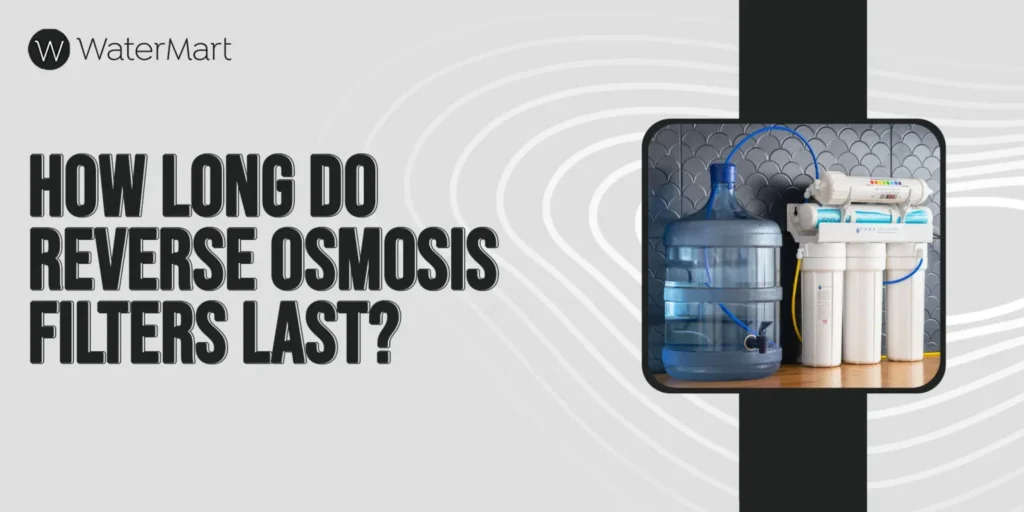 Reverse Osmosis Systems for Kitchens - WaterMart
Oh, and don’t forget the RO system itself. The plastic housing, the fittings, the little parts—they can last 10-15 years if you treat them nicely. No kicking the cabinet, okay?
So, what’s the takeaway?
You’re not doomed to constantly replace stuff. But you do need a little calendar reminder. Set a recurring alarm on your phone. Write it on your fridge. Tattoo it on your arm—whatever works.
Here’s the truth: a neglected RO system is like a forgotten gym membership—it just sits there, not doing its job. But a well-maintained one? It’s the hero your water deserves.
If you drink filtered water daily (and you should—tap water, am I right?), you’re essentially paying pennies per gallon. That’s a bargain compared to buying plastic bottles. Plus, you’re saving the planet from one more turtle-choking six-pack ring.
Still confused? Just remember the golden rule: when in doubt, change it out. Your taste buds will thank you. Your plumbing will high-five you. And you’ll never have to drink a glass of water that tastes like a swimming pool again.
Now go hug your RO system. It’s working hard for you—even while you’re sleeping. And if it starts making weird noises? Don’t panic. Just change the filters, and pour yourself a victory glass of the cleanest water on the block.
