How Much Bleach Do You Need To Drink To Die

We’ve all been there. You’re cleaning the bathroom, and that stark white bottle of bleach catches your eye. Suddenly, a weird, intrusive thought pops in: “How much of this wou...

We’ve all been there. You’re cleaning the bathroom, and that stark white bottle of bleach catches your eye. Suddenly, a weird, intrusive thought pops in: “How much of this would actually do me in?” It’s a silly question, like wondering how many bags of chips you’d have to eat before your stomach officially revolts. But let’s be real—it’s the kind of morbid curiosity that hits when your brain is on autopilot while scrubbing a toilet.
First, a hard truth: you really don’t want to find out. Bleach is not like a bad batch of gas-station sushi where you might just feel crummy for a day. It’s more like wrestling a grumpy porcupine—pointless and painful. The actual lethal dose isn’t a neat number you can memorize, because it depends on your body weight, the concentration of the bleach, and whether you’re a brave soul who doesn’t gag at the smell.
For the record, typical household bleach is about 6% sodium hypochlorite. Drinking just a few ounces—like half a coffee mug—can cause serious damage to your throat and stomach. We’re talking first-degree burns on your insides. Imagine the worst heartburn you’ve ever had, then multiply it by a thousand, and then add a lava lamp to your esophagus.
Must Read
To actually reach the “lights out” point, you’d need to chug roughly half a liter to a full liter of straight, undiluted bleach. That’s like downing an entire sports bottle of the stuff. Does that sound fun? No. It sounds like a scene from a horror movie where the character makes a really poor life choice at a cleaning supply store.
The “Too Much Information” Chapter
Let’s break down why your body throws a fit. Bleach is an oxidizer, which means it basically rusts your cells. When you drink it, your stomach lining thinks it’s being attacked by a tiny, chemical army. Your body’s first reaction is to violently reject it. We’re talking instant vomiting, chest pain, and a feeling like you swallowed a dozen angry hornets.
Even if you survive the initial gulp, the real trouble is internal bleeding and organ failure. Your esophagus can swell shut, making it impossible to breathe. It’s like trying to yawn while wearing a turtleneck that’s way too small, except you’re also on fire. The whole experience is a perfect, terrible “Don’t Try This at Home” moment.
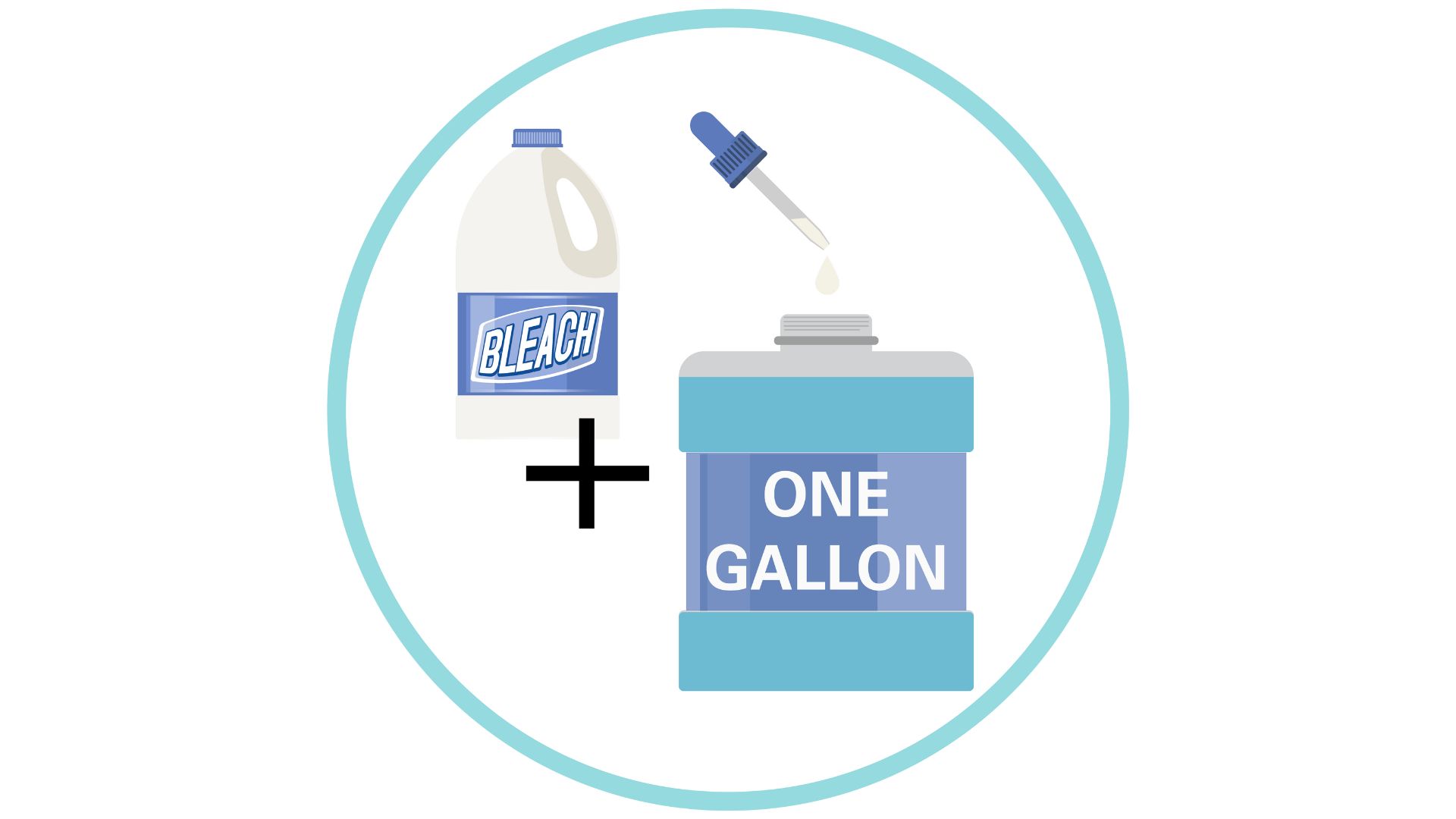 How to Make Water Safe in an Emergency | Water, Sanitation, and Hygiene
Here’s the kicker: you can’t even rely on a simple “one-shot” rule. Some people have survived gulping a few tablespoons (with immediate medical help), while others have died from less. It’s like playing chemical Russian roulette with a bottle that smells like a swimming pool.
The “Everyday Life” Connection
Think about accidental sips. Ever pour a glass of water, grab the wrong bottle, and taste a hint of bleach? That split-second panic is your brain screaming, “NOPE!” Your taste buds will throw a red card before you even swallow. That’s your body’s survival instinct, and it’s stronger than any dare from a bad decision.
I remember once, my buddy Jim thought he was clever, mixing bleach with ammonia to “super clean” his floor. He created a cloud of toxic gas right in his kitchen. He didn’t drink any, but he passed out from the fumes. Moral of the story? Bleach doesn’t play games. It’s not a friend you argue with over pizza toppings.
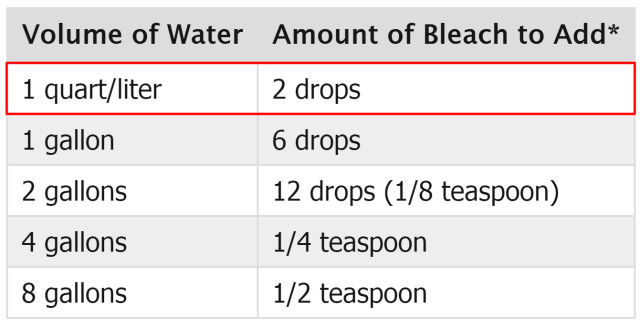 How to Purify Water with Bleach | RECOIL OFFGRID
So how do you avoid this whole mess? Keep bleach out of reach from kids, pets, and drunk adults who might think it’s vodka. Label it clearly. And if you ever have that intrusive thought, just remember a simple fact: the answer to “How much to die?” is always “More than zero, but way less than you want to test.” It’s the same principle as “How many times can you poke a bear before it mauls you?”—why even start counting?
The Final (Non-Lethal) Word
In the end, bleach is for whitening socks, not for internal experiments. You don’t need to know the exact lethal dose any more than you need to know the exact melting point of your phone. It’s just not a useful stat for daily life. Let’s keep bleach in the laundry room and stupid questions in the shower.
So, go ahead—finish scrubbing that stain, pour the extra bleach down the drain, and make a mental note: This is a cleaning product, not a science project about your own mortality. Your liver will thank you, and your gag reflex will give you a standing ovation. Now, go drink a glass of water—from the tap, not the jug under the sink. You got this.
